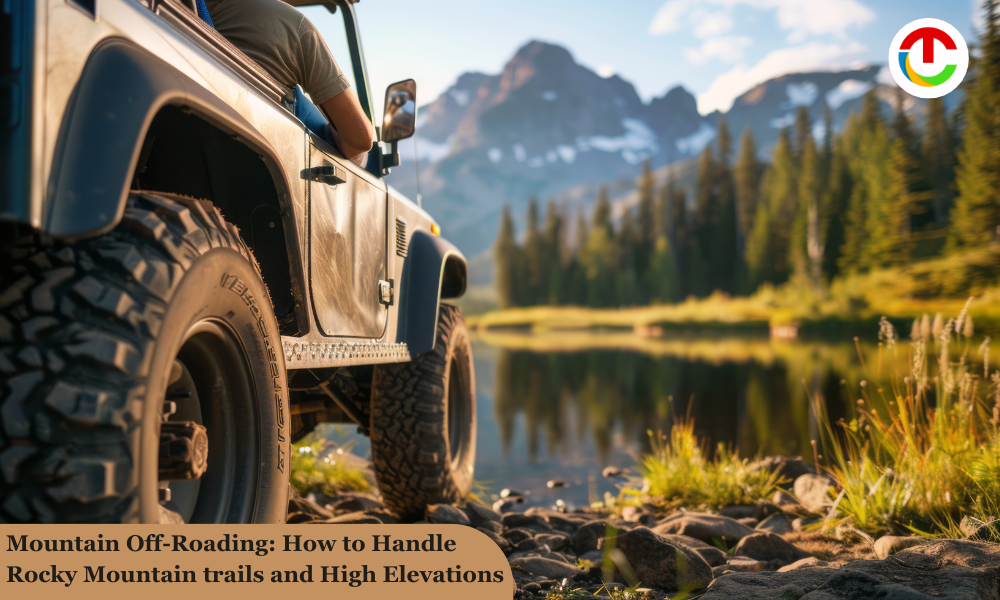
Navigating alpine terrain offers breathtaking scenery alongside unique driving challenges. Mountain trails present sharp boulders, steep inclines, loose shale, and unpredictable weather shifts. Driving at higher altitudes also impacts vehicle performance and human physiology. Mastering specific trail techniques and understanding mechanical demands ensures a safe, enjoyable expedition into high-country wilderness and Mountain Off-Roading .
Vehicle Preparation for High-Altitude Terrains for Mountain Off-Roading
Preparing your rig before heading into remote mountain passes reduces the risk of mechanical breakdowns far from help. Higher elevations feature thinner air, which directly affects engine power and fluid pressures.
Engine Efficiency and Power Drop Mountain Off-Roading
Internal combustion engines rely on oxygen to burn fuel efficiently. As elevation increases, air density decreases, resulting in a noticeable drop in horsepower. Naturally aspirated engines lose roughly three percent of their power for every thousand feet of elevation gained. Expect slower acceleration and less torque when climbing steep grades. Checking your air filter, cooling system, and spark plugs before departure helps maximize engine performance under demanding conditions.
Tire Pressure and Traction Adjustment
Proper tire management is critical on sharp, uneven rocks. Dropping your tire pressure increases the rubber surface area contacting the ground, providing superior grip over obstacles. Lower pressure also allows the tire carcass to conform around jagged edges rather than puncturing. Keep in mind that ambient air pressure drops at higher altitudes, causing tires to read slightly higher on pressure gauges. Adjust your tire levels once you reach trail elevation.
Driving Techniques for Rocky Mountain Trails For Mountain Off-Roading
Traversing boulder-strewn paths demands patience, precise tire placement, and controlled throttle management. Speed increases the risk of undercarriage damage and tire sidewall tears.
1. Line Selection and Tire Placement
Choosing the correct path over rocks preserves vital undercarriage components like differential covers, oil pans, and transfer cases. Always place your tires directly onto the highest point of a rock rather than straddling it. Riding over the obstacle keeps your axles and skids elevated, preventing frame scraping or high-centering. If an obstacle appears too tall, exit the vehicle to inspect the line on foot before proceeding.
2. Throttle Control and Momentum
Smooth driving keeps traction stable on loose shale and granite. Avoid abrupt acceleration or sudden braking, which can break traction and cause tires to spin uselessly. Maintain steady momentum when ascending steep, loose inclines. When crawling down steep rocky descents, shift into low-range four-wheel drive and rely on engine braking to control your speed without overheating your service brakes.
3. Rigging, Gear, and Towing Considerations
Transporting equipment, camping gear, or recreational vehicles into mountain passes requires careful weight distribution and specialized setups.
4. Weight Management on Incline Slopes
Carrying excess weight strains your engine, transmission, and braking system on steep mountain passes. Heavy loads shift center-of-gravity backward on climbs and forward on descents, affecting steering control. Ensure all cargo inside and outside the vehicle is secured tightly to prevent shifts during sudden maneuvers.
5. Towing Campers on Mountain Passes
Towing trailers over rugged alpine terrain requires specialized equipment built for rough tracks. Drivers taking extra gear, dirt bikes, or sleeping quarters often use a pop up camper toy hauler because its lower profile minimizes wind resistance and reduces top-heavy sway on narrow shelf roads. Ensure your tow hitch uses an articulated coupler that allows rotational movement over off-camber obstacles.
Safety Measures and Altitude Management
High-altitude environments present physiological hazards that require careful planning alongside vehicle considerations.
1. Managing Altitude Sickness
Human bodies need time to acclimatize to reduced oxygen levels above eight thousand feet. Symptoms of altitude sickness include headaches, nausea, fatigue, and dizziness. Stay well-hydrated, avoid overexertion, and pack extra water. If severe symptoms persist, the only effective remedy is descending to a lower elevation immediately.
2. Weather Awareness and Emergency Preparedness
Mountain weather changes rapidly without warning. Afternoon thunderstorms can turn dry dirt tracks into slippery mud chutes within minutes, while flash floods sweep through rocky canyons. Always monitor localized weather forecasts, carry emergency shelter, pack warm clothing layers, and bring a satellite communication device for areas lacking cellular service.
Also Read :- CIO Times Magazine For More Information