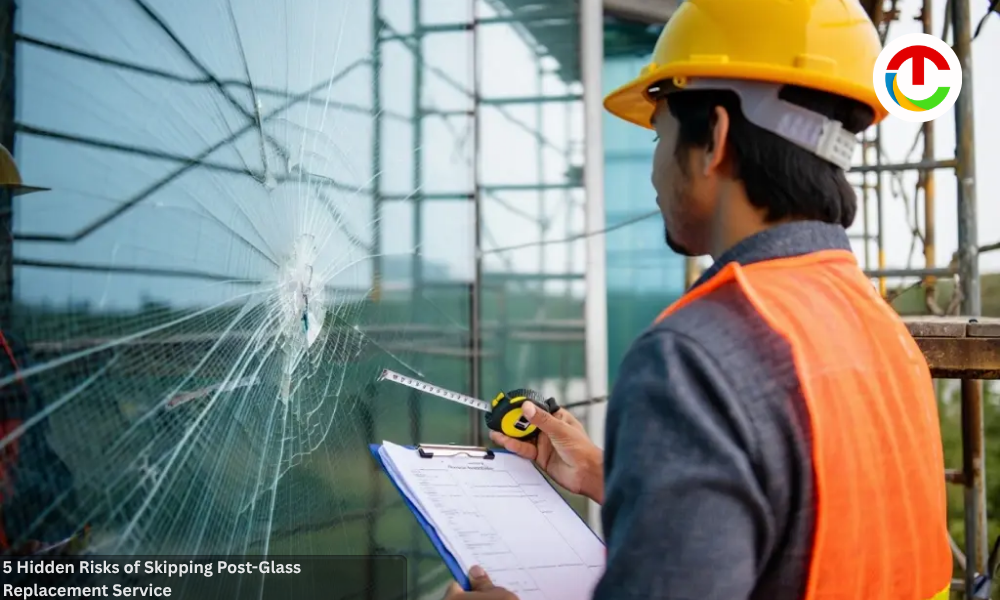
When a stone chips your windshield or a crack spiders across your vision, getting the glass replaced feels like crossing the finish line. Once the new glass is glued into the frame, it is tempting to drive off into the sunset and consider the job done.
However, modern auto glass is no longer just a passive sheet of laminated safety glass. It is a high-tech structural component fitted with sensitive optical sensors, heating elements, and camera brackets that support your vehicle’s safety networks. Skipping crucial post-replacement services—such as camera alignment, urethane cure checks, and leak testing—exposes your vehicle to severe hidden hazards.
1. Uncalibrated ADAS Cameras and Driver-Assist System Failures
Quick Answer: Replacing a windshield shifts the mounting angle of forward-facing safety cameras, causing Advanced Driver Assistance Systems (ADAS) to miscalculate distances, issue false alarms, or fail during emergencies.
Modern vehicles rely on Advanced Driver Assistance Systems (ADAS) to power features like automatic emergency braking, adaptive cruise control, and lane-keeping assistance. The primary camera for these features mounts directly to the upper inside edge of your windshield.
When glass technicians replace a windshield, the camera is unclipped and reattached to the new glass. Even a sub-millimeter shift in camera mounting angle can cause distance miscalculations of several feet down the road. Skipping auto glass ADAS recalibration means your car might fail to brake automatically before a collision or pull unexpectedly into an adjacent lane. For drivers navigating snowy mountain highways or busy urban intersections, scheduling certified lane departure camera calibration in Salt Lake City ensures these camera lenses align precisely with factory parameters before you rely on them.
2. Compromised Roof Structure in Rollover Accidents
Quick Answer: An improperly cured or poorly bonded windshield can pop out during a rollover crash, causing the vehicle roof to collapse into the passenger cabin under heavy pressure.
Many drivers assume the steel pillars flanking the windshield support the entire weight of the car’s roof. In reality, modern automotive design relies on the windshield as a load-bearing structural beam.
A properly bonded windshield provides up to 45% of the cabin’s structural integrity during a rollover collision. If post-replacement adhesive inspections are skipped, or if the glass was bonded onto unprepared pinch-weld rust, the windshield can pop free under pressure. Without the glass backing, the roof can cave in significantly farther during a rollover.
3. Passenger Airbag Deployment Failures
Quick Answer: The front passenger airbag deploys upward against the inside of the windshield; an unverified or weakly bonded glass installation will blow out, preventing the airbag from protecting the passenger.
In most modern vehicles, the front passenger airbag does not shoot straight toward the seat occupant. Instead, it deploys upward at high speed, bouncing off the inner face of the windshield toward the passenger’s chest and head.
This design places extreme outward pressure on the windshield glass within milliseconds of an impact. If the post-replacement bond is weak or uneven, the force of the deploying airbag will punch the entire windshield out of the vehicle frame. As a result, the airbag inflates out over the hood, leaving the front-seat passenger completely unprotected.
4. Hidden Water Infiltration and Electrical Corrosion
Quick Answer: Skipping post-installation water leak tests allows moisture to seep past the urethane seal, corroding expensive dashboard electronics and triggering mold growth.
Pinhole gaps in polyurethane adhesive are invisible to the naked eye. If a technician does not conduct post-replacement moisture and pressure testing, rainwater or car wash spray will slowly work its way behind the glass edge.
Water seeping behind the dashboard creates subtle, expensive problems over time:
- Electrical Short Circuits: Water trickles directly down into the Body Control Module (BCM) or fuse box, triggering random dashboard warning lights and battery drains.
- Pinch-Weld Rust: Trapped moisture rusts the metal frame beneath the rubber trim, preventing future windshields from ever sealing correctly.
- Interior Mold: Damp carpet padding and headliners breed toxic mold spores, creating stubborn cabin odors.
5. Ignoring Safe Drive-Away Cure Times
Quick Answer: Driving a vehicle before the adhesive reaches its minimum windshield replacement cure time ruptures the bond through cabin air pressure spikes and road vibrations.
Commercial urethane adhesive requires specific temperature and humidity conditions to cure into a rigid, structural bond. Moving the vehicle before the adhesive reaches its safe drive-away threshold ruins the seal.
When you slam a car door with the windows rolled up, the sudden burst of cabin air pressure pushes outward against the windshield. If the adhesive is still wet, that air pressure punches micro-tunnels directly through the sealant. Furthermore, driving over bumpy roads or railroad tracks before full curing causes the heavy glass to shift, permanently misaligning the installation.
6. Myth vs. Fact: Post-Glass Replacement Services
Clearing up common field misconceptions helps vehicle owners make safer decisions:
| Misconception | Engineering Reality |
| “If my dashboard has no error lights, my camera doesn’t need calibration.” | ADAS cameras can be severely misaimed without triggering an internal error code until a safety event occurs. |
| “I can drive my car immediately as long as it isn’t raining outside.” | Urethane needs hours to cure structurally; weather conditions do not bypass safe drive-away times. |
| “Any auto body shop can align safety cameras using standard tools.” | Calibration requires specialized target boards, laser levelling systems, and diagnostic software. |
7. Post-Glass Replacement Safety Checklist
Run through this quality control audit before driving your vehicle away:
- [ ] Cure Time Confirmation: Has the technician confirmed that the urethane adhesive met its safe drive-away time threshold?
- [ ] ADAS Calibration Report: Did you receive a digital or printed report verifying that your safety cameras passed post-installation alignment?
- [ ] Visual Bond Sweep: Is the rubber molding around the glass seated flush with zero gaps or oozing adhesive?
- [ ] Door Slam Test: Are windows cracked open slightly during the first 24 hours to prevent air pressure spikes from stressing the fresh bond?
- [ ] Warning Light Audit: Are all driver-assist and airbag warning lights cleared from the instrument cluster?
A windshield replacement is only as good as the post-installation verification that follows it. By ensuring proper urethane cure times, verifying water-tight seals, protecting the vehicle structural integrity windshield bond, and calibrating your safety cameras, you preserve your car’s engineered protection systems. Taking these post-service steps ensures that your new windshield keeps you clear, comfortable, and protected on every journey.