Heavy machinery plays an important role in construction, excavation, roadwork, landscaping, and many other industries. These machines are often expected to handle demanding jobs, heavy loads, rough terrain, and long working hours. Because of this, regular maintenance is necessary to keep equipment performing properly. Waiting until a machine completely breaks down can lead to expensive repairs, missed deadlines, and unexpected downtime. Preventive maintenance focuses on finding small problems before they become larger and more costly issues. Contractors looking for heavy equipment repair services may also benefit from understanding how regular inspections and maintenance can reduce the need for emergency repairs. A consistent maintenance plan can protect equipment, improve productivity, and help businesses get more value from their machinery.
Preventive Maintenance Helps Reduce Unexpected Breakdowns
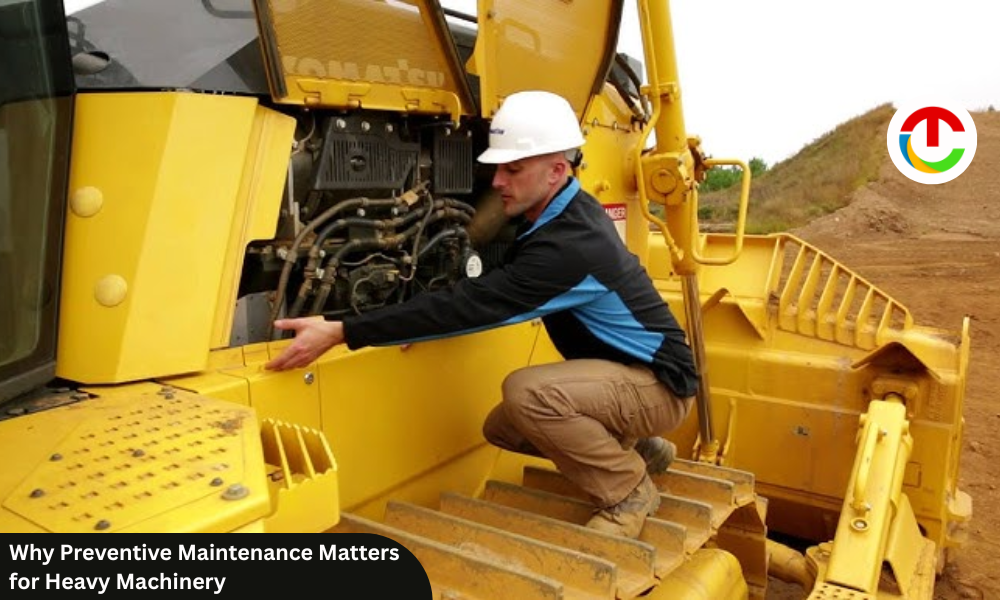
Unexpected equipment failure can quickly disrupt a worksite. When an important machine stops working, crews may be unable to continue certain tasks until repairs are completed. Preventive maintenance helps reduce this risk through scheduled inspections, servicing, and replacement of worn components. Technicians can check important systems such as engines, hydraulics, brakes, cooling systems, batteries, belts, hoses, and electrical components. Small warning signs may be easier and less expensive to repair when they are discovered early. A leaking hose, worn belt, loose connection, or low fluid level may seem minor at first, but ignoring the issue could eventually cause a much larger mechanical failure. Regular inspections give equipment owners a better chance to correct problems before they interrupt an active project.
Maintenance Can Extend Equipment Life
Heavy machinery is a major investment for most businesses. Keeping that machinery working for as long as possible can help protect that investment. Engines, hydraulic systems, transmissions, and other major components experience wear every time equipment is operated. Proper lubrication, fluid changes, filter replacements, and inspections can slow unnecessary wear and help these systems operate more efficiently. Ignoring routine maintenance can place extra stress on important components. Dirty oil, clogged filters, low fluid levels, and damaged parts may cause the machine to work harder than necessary. Professional heavy equipment maintenance can help owners identify these problems early and keep machinery in better working condition. Well-maintained equipment may remain useful for many years, helping businesses delay expensive replacements and get more value from every machine.
Regular Service Can Lower Repair Costs
Preventive maintenance does require regular spending, but it can help reduce larger repair bills later. A small damaged component is often much less expensive to replace than an entire system that fails because the original problem was ignored. For example, a minor cooling system issue could eventually contribute to overheating and serious engine damage if it is not corrected. Routine servicing also gives technicians an opportunity to inspect surrounding components while performing other maintenance work. This can reveal additional wear that might otherwise go unnoticed. Businesses searching for heavy equipment repair support can use professional inspections as part of a broader strategy for controlling long-term equipment expenses. Preventive maintenance cannot eliminate every possible repair, but it can help reduce the number of major problems caused by neglect.
Better Maintenance Supports Jobsite Safety
Heavy machinery must operate safely around workers, vehicles, structures, and other equipment. Mechanical problems can increase the risk of accidents when important systems are not functioning correctly. Brakes, tires or tracks, steering systems, lights, alarms, hydraulic components, and safety controls should be inspected regularly. Any unusual movement, sound, vibration, warning light, or fluid leak should be investigated rather than ignored. A proper heavy machinery inspection can help identify safety concerns before equipment is placed under heavy workloads. Operators also play an important role in preventive maintenance. They should perform basic checks before using machinery and report anything unusual immediately. Keeping equipment in good condition supports a safer jobsite and helps workers feel more confident when operating heavy machinery.
Preventive Maintenance Improves Equipment Performance
Machines that receive regular maintenance often perform more consistently than neglected equipment. Clean filters, proper fluid levels, good lubrication, functioning cooling systems, and correctly adjusted components can help equipment operate closer to its intended performance level. Machines may respond more smoothly, maintain proper power, and handle demanding tasks more effectively. Poor maintenance can cause equipment to lose efficiency over time. Operators may notice slower response, reduced power, unusual noises, higher operating temperatures, or increased fuel use. These problems can affect productivity, especially when equipment must complete large amounts of work every day. Consistent maintenance helps keep machinery reliable and allows crews to focus on completing the project instead of constantly dealing with equipment problems.
Preventive Maintenance Helps Reduce Project Delays
Construction and industrial projects often depend on carefully planned schedules. Equipment failure can quickly affect those schedules. If an excavator, loader, crane, or other important machine becomes unavailable, work may need to stop or be reorganized. Repairs may also take longer when replacement parts must be ordered. Scheduled maintenance gives businesses more control over when equipment is serviced. Maintenance can often be planned during slower periods, between projects, or when backup equipment is available. For companies operating, scheduling routine equipment service ahead of time can be especially useful when multiple projects depend on reliable machinery. Planned service is usually easier to manage than an unexpected breakdown in the middle of an important job.
Keep Maintenance Records for Every Machine
Good recordkeeping is an important part of preventive maintenance. Each machine should have a record showing service dates, repairs, fluid changes, inspections, replacement parts, operating hours, and any recurring problems. These records help owners understand the condition and maintenance history of their equipment. Maintenance records can also help identify patterns. If the same component frequently requires repair, there may be a larger issue that needs attention. A clear equipment service schedule makes it easier to know when the next inspection or maintenance task is due. Accurate records can also provide useful information when deciding whether to continue repairing an older machine or replace it with different equipment.
Pay Attention to Early Warning Signs
Operators work closely with equipment every day and may be the first people to notice when something changes. Unusual sounds, strange smells, excessive smoke, vibrations, leaking fluids, slow hydraulic movement, difficulty starting, warning lights, or reduced power should never be ignored. Even if the machine still operates, these symptoms may indicate developing mechanical problems. Reporting issues quickly allows maintenance teams or technicians to inspect the machine before the condition becomes worse. Continuing to operate equipment with a known problem can increase damage and may create unnecessary safety risks. Early attention can often turn a major repair into a smaller and more manageable service job.
Preventive Maintenance Is a Smart Long-Term Strategy
Heavy machinery is designed to handle difficult work, but even the strongest equipment requires regular care. Preventive maintenance helps reduce unexpected breakdowns, improve safety, control repair expenses, extend equipment life, and keep projects moving efficiently. Businesses that regularly rely on heavy equipment repair services in Salt Lake City can benefit from combining professional repairs with a consistent maintenance schedule. Regular inspections, proper servicing, detailed records, and quick attention to warning signs can help keep machines dependable throughout demanding projects. Preventive maintenance is not simply another operating expense. It is an important part of protecting valuable equipment and supporting reliable business operations.
Also Read :- 5 Engineering Challenges in Smart Manufacturing