Buying capital equipment has always been a challenge for technology and operations leaders. With tighter budgets and greater accountability, CIOs are looking beyond software and IT infrastructure to identify opportunities for smarter Capital equipment investment. In project-driven industries, heavy equipment such as crane auctions is becoming an increasingly important part of those discussions. For many organisations, purchasing quality used equipment has become a practical way to reduce costs while maintaining operational capability.
As organisations place greater emphasis on return on investment, procurement decisions are becoming more data driven. Rather than defaulting to new equipment, many businesses are exploring alternative purchasing strategies that deliver better value. As a result, the secondary market for high-value assets such as cranes has become an increasingly important part of long-term capital planning.
The Expanding Role of the Modern CIO
The role of the CIO has evolved considerably over the past decade. Today, senior technology leaders are expected to contribute to business-wide financial decisions rather than focusing solely on IT. In industries such as construction, logistics, resources, and manufacturing, that increasingly includes evaluating major capital investments that were once managed almost exclusively by procurement or operations teams.
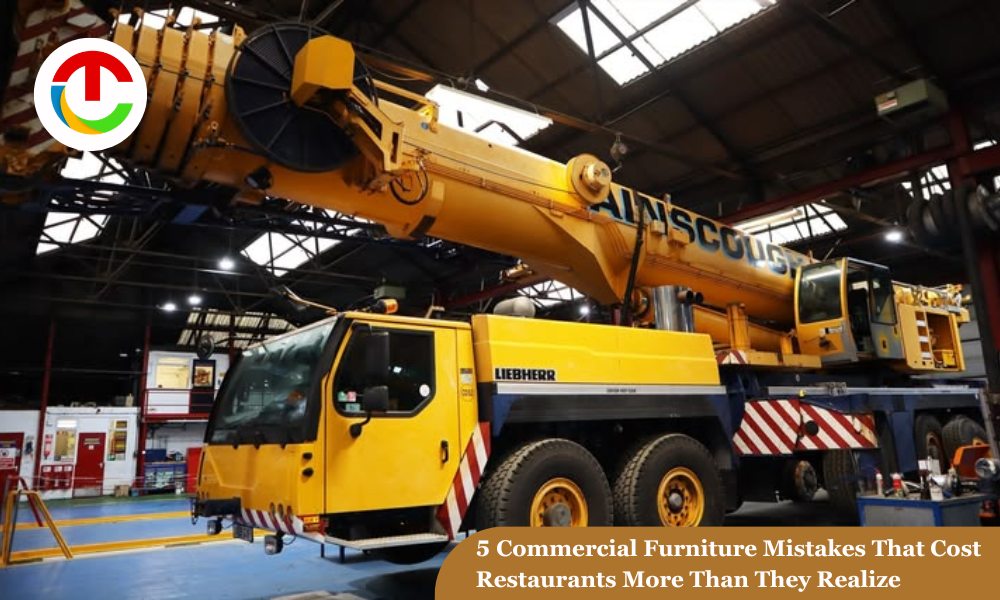
Cranes represent one of the largest capital purchases many project-based businesses make. A new tower crane can cost anywhere from several hundred thousand dollars to well over a million dollars. For CIOs responsible for improving capital efficiency, that level of expenditure deserves careful scrutiny. Many are now evaluating crane auctions as a practical way to acquire reliable equipment while reducing capital costs.
Why the Secondary Market Makes Financial Sense?
Buying used equipment is not a new concept, but today’s secondary market is far more transparent and structured than it once was. Many used cranes are sold with inspection reports, maintenance histories, and supporting documentation that help buyers make informed purchasing decisions. Specialist auction platforms also provide access to industry expertise throughout the buying process.
The financial benefits are compelling. Used cranes typically cost significantly less than comparable new models. Those savings can strengthen project budgets and free capital for other strategic priorities.
There are also longer-term financial advantages. New capital equipment generally experiences its steepest depreciation during its early years. A well-maintained used crane has often already absorbed much of that initial depreciation, which may help preserve its resale value over time. For CIOs planning multi-year capital expenditure, that added financial stability can be an important consideration.
Data and Transparency in Modern Auction Processes
Technology leaders are increasingly comfortable purchasing through auctions because the quality of available information has improved substantially. Modern auction platforms commonly provide detailed machine histories, inspection reports, service records, ownership information, and transparent pricing. These are the types of data CIOs rely on when evaluating capital investments and assessing procurement risk.
Where appropriate, reverse auction models can also help organisations achieve more competitive pricing than traditional procurement methods. By encouraging competition among sellers, these models introduce greater transparency and market discipline into purchasing decisions that have historically relied on lengthy negotiations or existing supplier relationships. For CIOs focused on governance and objective supplier evaluation, this approach aligns well with broader procurement strategies.
The availability of comprehensive equipment information and transparent pricing supports the data-driven decision-making that CIOs and procurement teams increasingly expect when assessing major capital purchases.
Aligning Equipment Strategy with Business Objectives
CIOs recognise that every capital purchase reflects broader business priorities. Cranes are more than operational assets. They directly influence project schedules, productivity, and ultimately revenue generation. Delays caused by unavailable or prohibitively expensive equipment can affect project delivery, cash flow, and business performance well beyond the operations team.
By using the secondary market wisely, CIOs can help their organisations obtain reliable equipment without incurring high upfront costs. This flexibility helps manage cash flow and lowers the financial risks of owning equipment. Studies on construction spending show that avoiding high upfront costs for new equipment leads to better overall project finances.
Building a Repeatable Procurement Model
The greatest opportunity for CIOs extends beyond making a single successful purchase. It lies in developing a repeatable, data-driven procurement framework for acquiring used equipment across the organisation. Achieving this requires collaboration with auction specialists who understand fleet management, equipment condition, lifecycle costs, and resale values.
Platforms specialising in Crane auctions sales often provide market knowledge and technical expertise that general auction providers may not offer. This additional insight can help organisations evaluate equipment more efficiently while reducing procurement risk.
Making the Case Internally
Presenting a secondary equipment purchasing strategy to executive leadership requires clear financial analysis and well-supported business cases. CIOs are well positioned to lead these conversations by demonstrating total cost of ownership, depreciation impacts, lifecycle value, and procurement risk. When supported by reliable market data, purchasing quality used equipment can represent a stronger long-term investment than buying new, also sell the old equipment just like crane in Crane Auctions.
The crane auction market has matured into an established procurement channel that gives businesses access to a broad range of well-documented used equipment at competitive prices. For organisations operating in project-intensive industries, it offers a practical way to reduce capital expenditure without compromising operational capability, making smarter procurement decisions a sustainable competitive advantage.
Also Read :-5 Commercial Furniture Mistakes That Cost Restaurants More Than They Realize