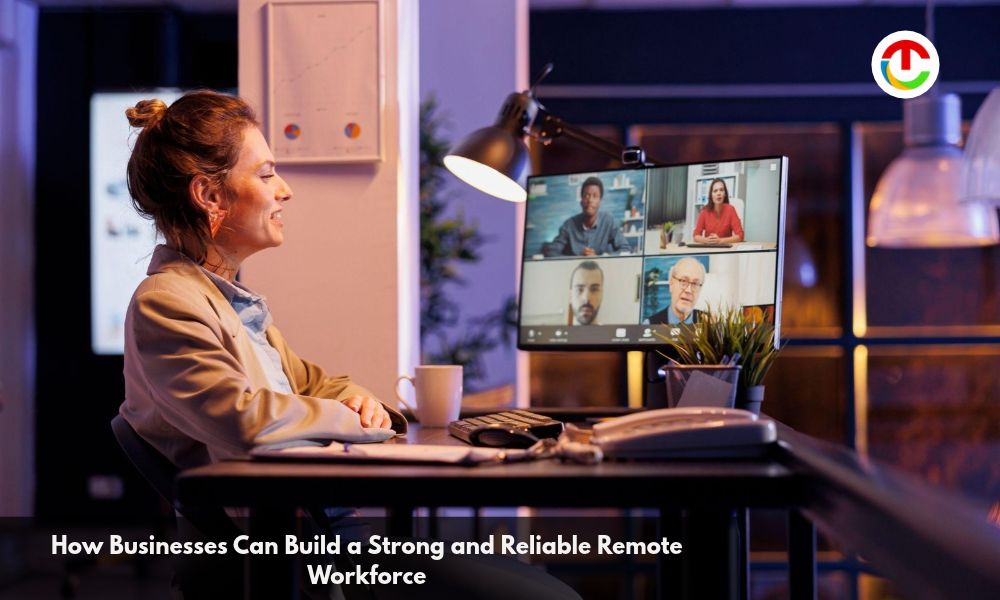
A single bad remote hire can cost a team months of rework and send the search back to zero. Even firms that fully back remote work often fail to find staff who perform well and remain beyond year one. Weak talent is seldom what sinks these searches. The process behind the search is usually too loose.
Few growing firms have a large recruiting team, so they patch together job posts, gut-feel interviews, and thin onboarding. This guide lays out a clearer path: define the role, find and vet people, pick a hiring model, and keep the team steady over time.
The Blueprint for a Reliable Remote Workforce Team
A dependable remote workforce comes from four choices made in order: roles, sourcing, hiring model, and how you manage. Reliability should also be something you can measure. Measure how long people stay, how many hours they share with the team, the quality of their output, and the rate of rework.
Time zone overlap deserves more weight than most plans give it. A skilled developer eight hours ahead can still slow a project, because every question waits a day. That gap is why nearshore hiring in Latin America appeals to US firms. Teams share most of the workday, and many candidates speak strong English.
Firms without in-house recruiters often turn to outside workforce solutions at this point, at least for the first few roles. One recruitment firm, Lupa Hire, focuses on pre-vetted Latin American professionals for remote roles with US companies. Whoever runs the search, your recruitment strategy should start with a written performance profile.
That profile lists the outcomes the role owns, the overlap hours it needs, and the budget. It also says how remote hiring success will be judged at 90 days and at 12 months.
Sourcing and Vetting Talent You Can Trust Remote Workforce
1. Growing Your Candidate Pool Outside Job Boards
Open job boards bring volume, not fit. Better talent sourcing uses vetted networks, referrals, and specialist recruiters. A hiring platform that ranks resumes by keyword alone often misses good people.
In tech recruiting, a steady talent pipeline means you never start cold. Keep warm contacts for roles you fill often, from remote developers to UI and UX designers. Then IT recruitment becomes a quick search through tech talent you already know. One senior engineer can guide two junior hires, but a team with no senior guide often stalls.
2. Screening With a Scorecard and Reference Checks
Turn the profile into a scorecard, so every interviewer rates the same points and remote recruitment stays fair. Ask former managers about results and about work done without daily direction. For developer hiring, use a short test based on real tasks.
Strong talent acquisition teams build a shortlist in days. Watch for these red flags:
- Unclear replies when asked what earlier roles achieved
- Slow or careless written replies
- References who praise effort but name no outcomes
Picking a Hiring Model and a Location Remote Workforce
1. Direct Hire, Staffing, or Recruitment Outsourcing
For a few key long-term roles, a recruitment agency placing direct hires is usually enough. A staffing agency fits when you want payroll and compliance handled for a monthly fee. These staffing services suit firms with no HR presence abroad.
When volume is steady, RPO services make more sense, because recruitment outsourcing puts outside recruiters inside your own process. Some firms start with recruitment consulting before they choose.
| Route | Best For | Payroll and Compliance | Cost Structure | Main Risk |
| Direct Placement | A few key long-term roles | Your company | One-time placement fee | Poor fit if vetting is weak |
| Agency Staffing | Firms wanting admin handled | The provider | Monthly fee per worker | Higher ongoing cost |
| RPO | Steady volume of roles | Usually your company | Retainer or fee per placement | Longer commitment |
| Self-Run Search | Firms with HR capacity | Your company | Internal time and job ads | Slow searches and legal gaps |
Choose by who should carry payroll risk and how many people you plan to bring on. When the model and the number of hires are out of step, most hiring solutions fall short.
2. Contractor or Full-Time, Nearshore or Offshore
Contractors offer flexibility with less control. Full-time roles cost more in benefits, but people tend to stay. Salaries are often lowest with offshore hiring, yet overlap may shrink to an hour or two. For US teams, nearshore remote staffing sits between that and costly domestic hires.
In global recruitment, salary is only half the math. A cheap hire who quits in six months can cost more than a fair-rate match, so sound outsourcing and global hiring weigh both sides.
Onboarding and Managing Remote Workforce Staff for Consistent Output
Have accounts and devices ready before day one, assign a buddy, and share a 30/60/90 goal sheet. Then write down expectations: deliverables, reply times, overlap hours, and what needs a live call.
Because roughly 22.6% of U.S. employees worked remotely in March 2026, strong workforce management will stay valuable. Measure outcomes, not hours, with a weekly one-on-one and a short report. That holds in marketing, SEO, or software engineering.
Messaging software, a task board, and a shared knowledge base handle the essentials. The technology matters less than steady use, though. Across cultures, leadership rests on small habits. A leader who replies on time and explains decisions builds trust fast. Remote staff notice it, and lasting talent management depends on every employee feeling seen.
Keeping the Team: Retention, Compliance, and Risk of Remote Workforce
1. Retention Drivers That Work for Distributed Staff
People stay when they can see a future. Offer a growth path, check pay against regional rates each year, and praise good work in public. If updates shrink or one-on-ones get skipped, have a private, curious talk early.
2. Payroll, Compliance, and Replacement Safeguards
Each country sets its own payroll, tax, and worker classification requirements, and hires across borders must follow them. With agency-based talent solutions, the provider usually carries that load. Direct hires leave it with your finance and legal teams, while replacement guarantees shift some risk away from you.
Before signing with any hiring agency or talent partner, ask these questions:
- How are candidates vetted, and who checks references?
- Who handles payroll, taxes, and classification?
- What happens if a new team member leaves early?
- What charges will we owe, and on what schedule?
Clear written answers say more about recruitment services than any sales pitch.
Next Steps for Your Team
Start with your next open role, not the job post. Write its performance profile, set the overlap hours it needs, and decide whether you want to own payroll and compliance or hand them off. Settling these three questions will lead you to the right hiring model sooner than comparing vendors would.
After the hire, keep the first 90 days structured and judge work by results. Review pay, growth, and check-ins every quarter, since remote turnover usually starts quietly. Each new search then gets easier, because it reuses the profiles, scorecards, and habits built during the last one.
Key Questions About Building a Remote Workforce
1. What Makes Certain Employers Wary of Remote Teams?
Most hesitation comes from worries about visibility, accountability, and culture rather than output. Managers used to in-person oversight may fear that standards will slip. Clear metrics, written workflows, and reviews based on results ease these worries by replacing presence with work you can measure.
2. What Financial Advantages Do Employers Gain From Distributed Teams?
Employers often spend less on office space, utilities, and equipment, and they can reach wider salary markets. Lower turnover can also cut replacement costs. Savings vary by role and region, so weigh them against spending on security, team tools, and home office stipends.
3. Which Habits Keep Distributed Teams Productive and Connected Day to Day?
Productive teams write down decisions, set core overlap hours, and name an owner for every task. Long status meetings do less for a team than brief, frequent check-ins. Managers should praise results in public, plan some video social time, and review workloads to prevent isolation and burnout.
Also Read :- How SaaS Technology Is Modernizing Physical Access Management