Photo by Grove Brands on Unsplash
Smooth skin is one of the biggest reasons people choose waxing, but the experience can become frustrating when redness, tenderness or small bumps appear afterwards. You might leave your appointment feeling pleased with the results, only to notice that your skin looks uncomfortable a few hours later.
Some temporary redness is a common response to waxing because removing hair from the follicle creates brief irritation. However, the technique used, the condition of your skin and your aftercare routine can influence how comfortable the experience feels.
The good news is that small adjustments can make a noticeable difference. Choosing a suitable wax, preparing your skin properly and avoiding unnecessary friction can help create a gentler experience.
Whether you wax at home or visit a professional, these practical tips will help you understand what contributes to irritation and how to approach your next appointment more comfortably.
Choose the Right Wax for the Area You’re Treating
Not all waxing products work in the same way, and choosing the appropriate formula can influence how the treatment feels.
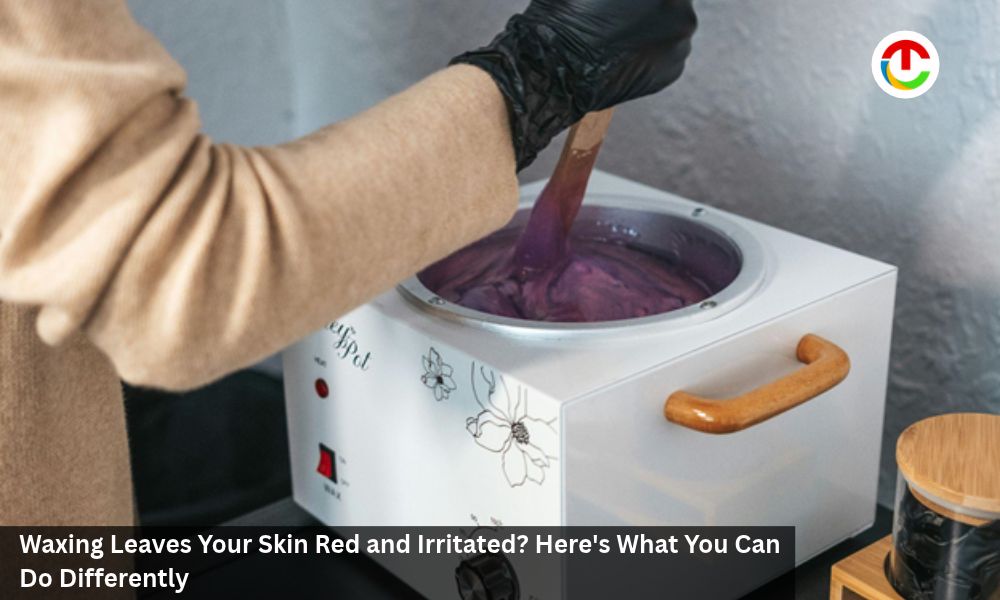
Soft wax is typically applied thinly and removed using strips, making it useful for larger areas such as legs. Hard wax, meanwhile, cools and sets around the hair before being removed without a separate strip.
For delicate areas, hard wax from PLA Pro offers professional waxing options designed for controlled hair removal. Its strip-free application makes it a popular choice for areas such as the underarms, bikini line and face, where careful technique is particularly important.
Application temperature matters just as much as the product itself. Wax should be heated and used according to the manufacturer’s instructions, with temperature checked before application.
A professional can also select the appropriate formulation and technique for different hair textures and treatment areas, helping make the overall experience more comfortable.
Prepare Your Skin Properly Before Waxing
Good waxing results begin well before the first application. Skin preparation helps the wax grip unwanted hair effectively while allowing the treatment to proceed smoothly.
Start by ensuring the area is clean and free from heavy lotions, body oils and makeup. Excess product can interfere with wax adhesion, making removal less consistent.
Gentle exfoliation a day or two before an appointment may help remove surface dead skin cells. Use a soft washcloth or mild exfoliating product rather than an aggressive scrub.
Avoid exfoliating immediately before waxing, particularly if your skin is already sensitive.
Hair length also deserves attention. Many waxing professionals recommend allowing approximately 6 mm of growth, although the ideal length depends on the product and treatment area.
Tell your technician about recent sun exposure, skin treatments or products containing retinoids and exfoliating acids. These can affect skin sensitivity and whether waxing is suitable.
Pay Attention to How the Wax Is Removed
Technique makes a significant difference to the waxing experience. Even a suitable product can cause unnecessary discomfort when applied or removed incorrectly.
Wax should generally be removed with a controlled movement while the skin is held taut. Pulling upwards rather than keeping the removal movement close to the skin can increase discomfort.
Repeatedly waxing the same area is another common mistake. Skin that has already undergone hair removal may become increasingly sensitive with additional applications.
For small remaining hairs, a technician may choose a more precise removal method rather than repeatedly applying wax.
At home, work in manageable sections instead of attempting large areas immediately. Follow the product’s instructions concerning application direction, removal technique and suitable body areas.
If you are new to waxing, professional treatment can provide a useful introduction to appropriate techniques before attempting the process independently.
Keep Your Aftercare Routine Simple and Gentle
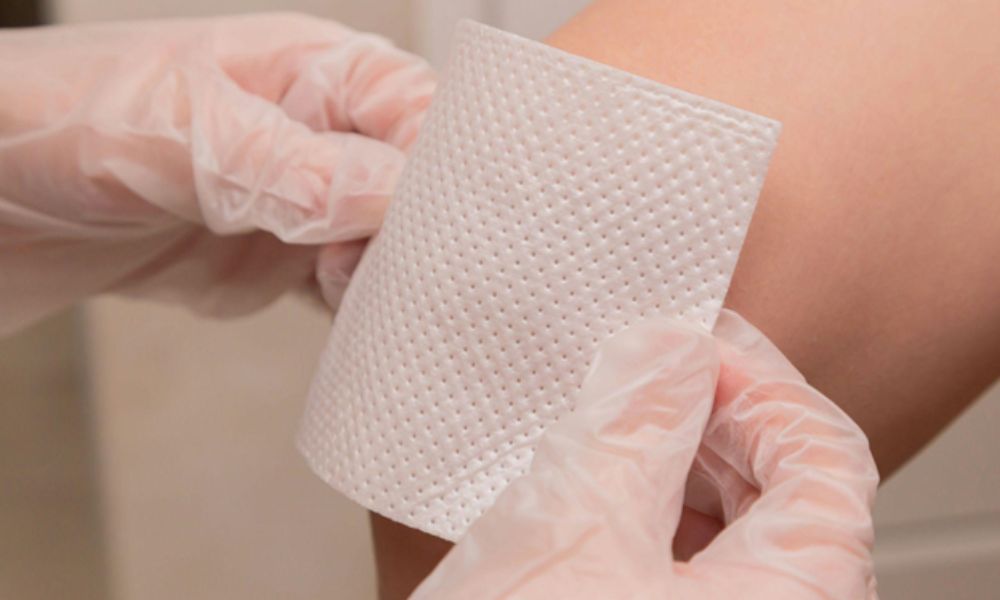
Photo by Diana Polekhina on Unsplash
What you do immediately after waxing can influence how quickly your skin settles.
Begin with comfortable, loose-fitting clothing, particularly after treating areas where fabric frequently rubs against the skin. Tight leggings or restrictive waistbands may create additional friction.
Avoid vigorous exercise, hot baths, saunas and prolonged heat exposure for approximately 24 hours, or follow the specific aftercare period recommended by your practitioner.
Choose gentle, fragrance-free skincare products during this time. A lightweight moisturiser suitable for sensitive skin can help maintain comfort without introducing unnecessary ingredients.
If your skin feels warm, a cool, clean compress may provide temporary relief. Avoid applying ice directly to the treated area.
Wait until the skin has settled before returning to exfoliating products, strong active ingredients or heavily fragranced body lotions.
Understand Why Small Bumps Sometimes Appear
Small bumps after waxing can have several causes. Temporary inflammation around hair follicles may create tiny raised areas shortly after treatment.
Other bumps can develop when new hair grows and becomes trapped beneath the skin, producing an ingrown hair.
To reduce this possibility, establish a gentle exfoliation routine once the initial sensitivity has disappeared. A soft washcloth or appropriately formulated exfoliant can help manage surface dead skin cells.
Keep the area moisturised and avoid picking at bumps or attempting to dig out trapped hairs.
Persistent painful bumps, spreading redness, pus or increasing warmth may indicate a problem that requires medical attention.
If irritation repeatedly occurs after appointments, discuss the pattern with your waxing professional. The product, technique or timing may need adjusting to better accommodate your skin.
Give Your Skin Enough Time Between Appointments
Waxing too frequently can make it difficult for the skin to recover and for hair to reach a suitable length for effective removal.
Many people schedule appointments approximately every three to six weeks, depending on the area, individual hair growth and professional recommendations.
Keeping a simple record of your appointments can help you recognise what works best. Note how long redness lasts, which products you use afterwards and whether certain areas become particularly sensitive.
Avoid scheduling waxing immediately before events involving swimming, extensive sun exposure or activities that create considerable friction.
Ultimately, comfortable waxing depends on thoughtful preparation, appropriate products, careful technique and gentle aftercare. Small changes can make the experience easier to manage while helping you maintain the smooth results you enjoy.
By paying attention to your skin’s responses and making informed choices, you can develop a waxing routine that better suits your individual needs.
Also Read :- How to Fix Dull Skin and Restore Your Natural Radiance in Your 30s