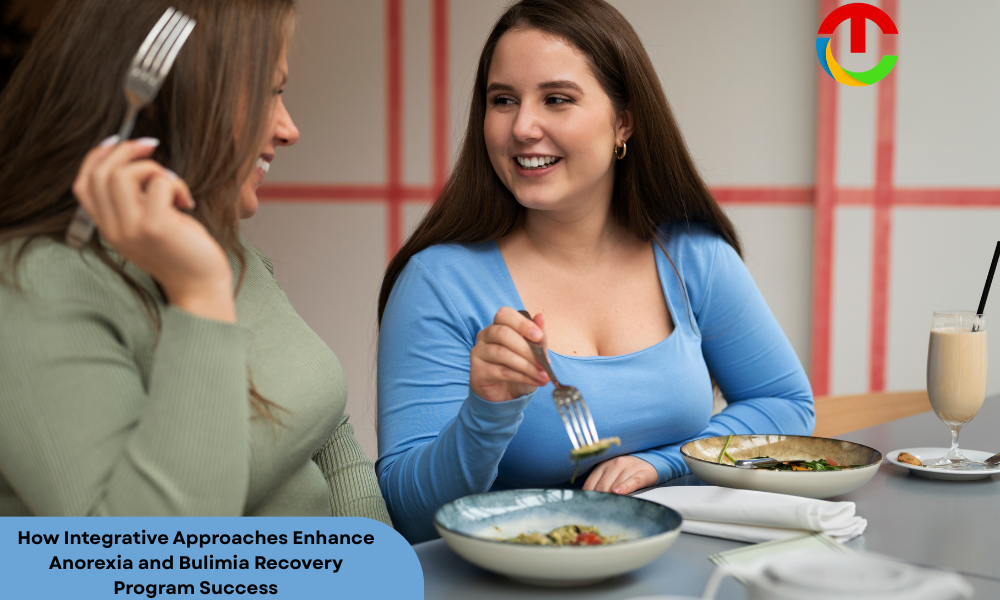
The journey to recovery from anorexia and bulimia is often complex and multifaceted. Traditional treatment methods, while effective for some, don’t always address the unique needs of every individual. Integrative approaches, which combine traditional therapies with complementary practices, are proving to be a significant asset in enhancing the success of recovery programs. This article explores how these integrative approaches can bolster an Anorexia and Bulimia Recovery Program by offering holistic support, addressing not only the physical but also the emotional and psychological aspects of eating disorders.
Integrative Approaches in Eating Disorder Treatment
Integrative approaches in eating disorder treatment emphasize the connection between mind, body, and spirit. Techniques like Somatic Experiencing and EMDR (Eye Movement Desensitization and Reprocessing) are utilized to address trauma, often a contributing factor to eating disorders. These methods help individuals process emotions and reduce the physical symptoms of anxiety and stress. By using such techniques, therapists can create a more comprehensive treatment plan tailored to individual needs.
Moreover, integrating Neurofeedback and Biofeedback Therapy allows practitioners to monitor physiological responses and teach individuals how to regulate their stress levels. These therapies can improve emotional regulation, which is crucial in managing eating disorder symptoms. Recent studies from Psychology Today indicate that biofeedback can significantly enhance emotional resilience.
Ecotherapy, or nature therapy, is another integrative approach gaining traction in eating disorder treatment. It encourages patients to engage with nature, which can reduce stress and improve overall well-being. By incorporating these diverse methods, therapists can address the holistic needs of their clients, fostering a more effective path to recovery.
The Role of Nutrition Therapy in Recovery
Nutrition therapy plays a pivotal role in the recovery from Anorexia and Bulimia Recovery Program. An Integrative Health Coach works alongside dietitians to develop personalized meal plans that support both physical health and emotional well-being. This collaboration ensures that nutritional interventions align with the broader therapeutic goals of the recovery program.
Incorporating Mindfulness-Based Stress Reduction techniques can further enhance the effectiveness of nutrition therapy. By teaching individuals to eat mindfully, patients learn to recognize hunger cues and appreciate the sensory experience of eating, which can decrease binge-eating episodes. This technique is supported by research from the National Center for Biotechnology Information, which highlights its benefits in promoting healthier eating habits.
Furthermore, the use of Aromatherapy Blends in nutrition therapy sessions can create a calming environment that supports emotional relaxation, making the process of eating less stressful. These integrative methods not only address the nutritional deficiencies common in eating disorder patients but also foster a healthier relationship with food.
Psychological Support Techniques for Lasting Change
Psychological support is integral to the recovery process, and integrating various therapeutic techniques can enhance long-term success. Dialectical Behavior Therapy (DBT) is particularly effective in treating anorexia and bulimia, as it focuses on building coping skills and emotional regulation. The Therapeutic Alliance, a collaborative partnership between therapist and client, is strengthened through these integrative approaches, fostering trust and engagement.
Energy Psychology techniques, such as tapping and visualization, can also be incorporated to help individuals manage anxiety and negative body image. These methods empower clients to take control of their emotional responses, paving the way for lasting change.
Transpersonal Psychology, which considers spiritual aspects of the individual, can be especially beneficial in addressing the existential concerns often associated with eating disorders. By exploring deeper questions of identity and purpose, clients can achieve a sense of fulfillment that supports their recovery journey.
Holistic Practices That Support Mental and Emotional Well-being
Holistic practices are essential in supporting the mental and emotional well-being of individuals recovering from eating disorders. Body Psychotherapy, which includes movement and touch, helps clients reconnect with their bodies in a positive way, counteracting the dissociation often experienced with anorexia and bulimia.
Trauma-Informed Care, which recognizes the impact of trauma on mental health, is a cornerstone of effective integrative treatment. By creating a safe and supportive environment, therapists can more effectively address the underlying issues contributing to disordered eating.
Finally, Anorexia and Bulimia Recovery Program Polyvagal Theory offers insights into how the nervous system affects emotional regulation. By understanding these connections, therapists can tailor interventions that promote safety and connection, essential components of a successful recovery program.
Conclusion
Integrative approaches offer a comprehensive framework for enhancing the success of Anorexia and Bulimia Recovery Programs. By addressing the physical, emotional, and psychological aspects of eating disorders, these methods provide holistic support that can lead to lasting change. For those struggling with these challenges, adopting an integrative treatment approach can be a transformative step toward recovery.
Also Read :- How Personalized Home Care Services in Wilmington Improve Quality of Life?