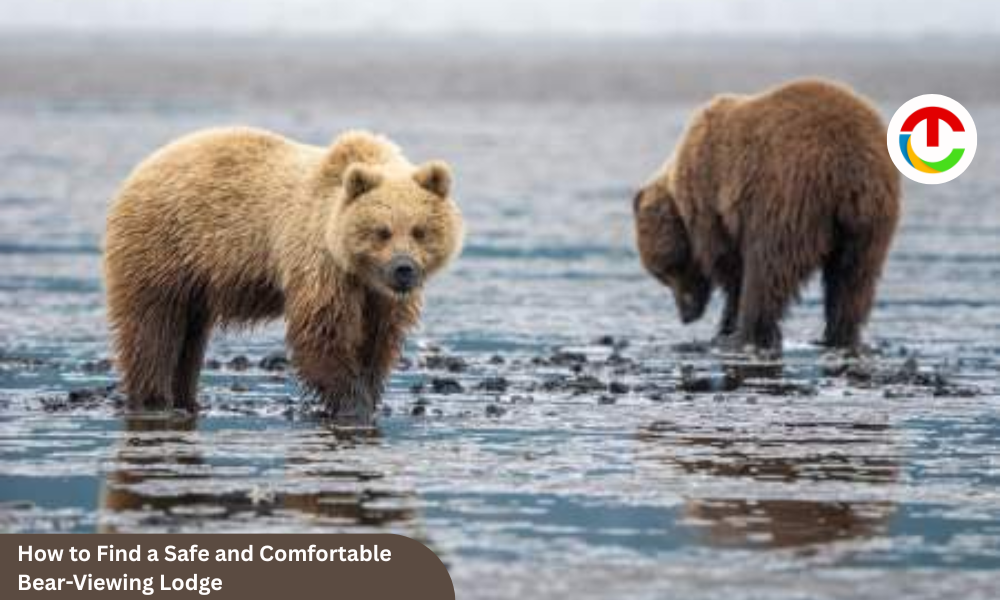
Seeing bears in their natural environment can be an unforgettable experience. It gives travelers a rare chance to observe these powerful animals while learning more about their behavior, habitat, and daily routines. However, choosing the right lodge is an important part of planning a safe and enjoyable trip. A quality Alaska bear lodge should offer more than a place to sleep. It should provide trained guides, clear safety rules, comfortable accommodations, reliable transportation, and well-planned viewing activities. Taking time to research these details can help you choose a lodge that meets your needs and allows you to enjoy the experience with confidence.
Look for Strong Safety Standards
Safety should always be the first consideration when choosing a bear-viewing lodge. Bears are wild animals, and visitors must follow proper rules when entering their habitat. A trustworthy lodge will have clear safety procedures for every part of the trip, including transportation, hiking, viewing, and returning to the property. Ask whether guides provide a safety briefing before each excursion. Guests should understand how to behave around bears, how much distance to keep, and what to do if a bear moves closer. Visitors should also receive instructions about food, personal items, noise, and sudden movements. The lodge should have emergency plans for accidents, changing weather, and unexpected wildlife encounters. Staff members should also have access to first-aid supplies and reliable communication equipment. Strong preparation helps protect guests while reducing stress during the adventure.
Choose a Lodge with Experienced Guides
Experienced guides can make a major difference in the quality of a bear-viewing trip. They should understand bear behavior, local terrain, weather patterns, and safe viewing practices. Their knowledge allows guests to observe wildlife without disturbing the animals or placing themselves at unnecessary risk. A skilled guide can explain why bears behave in certain ways, how they find food, and how their activities change throughout the season. This information makes the experience more meaningful and helps visitors appreciate the natural environment. Ask about the guides’ training, local experience, and emergency preparation. It is also helpful to know how many guests are assigned to each guide. Smaller groups may provide better visibility, easier communication, and more personal attention. The right guide helps guests feel informed, comfortable, and secure throughout the entire excursion.
Review the Lodge’s Location and Access
Many bear-viewing lodges are located in remote areas that may only be reached by boat or small aircraft. Before booking, ask for complete information about how guests travel to and from the property. Find out whether transportation is included in the package and what happens if weather conditions cause delays. Remote travel often depends on visibility, wind, and water conditions, so flexible planning may be necessary. You should also ask how far the lodge is from the main viewing areas. Some properties require long daily trips, while others may offer easier access to nearby wildlife locations. A convenient setting can reduce travel time and allow guests to spend more time observing bears. Clear travel information helps prevent confusion and allows visitors to prepare for each part of their journey.
Check the Comfort of the Accommodations
A wilderness trip does not have to feel uncomfortable. After spending several hours outdoors, guests need a clean and relaxing place to rest. Review the lodge’s room types, sleeping arrangements, bathroom facilities, heating, electricity, and available storage space. Some lodges offer private rooms and bathrooms, while others have shared facilities. Neither option is necessarily better, but guests should understand what is included before making a reservation. Ask whether bedding, towels, toiletries, and daily housekeeping are provided. Travelers should also check whether the rooms have enough space for outdoor clothing, camera equipment, boots, and personal belongings. A comfortable room can help guests recover after a long day and prepare for the next bear-viewing activity.
Ask About Meals and Dietary Needs
Meals are especially important during active outdoor trips. Guests may spend hours walking, standing, traveling, or waiting quietly at viewing locations. Nutritious food can help maintain energy throughout the day. Ask how many meals are included and whether snacks or drinks are provided during excursions. Some lodges serve family-style meals, while others offer individual dishes or packed lunches for trips away from the property. Travelers with allergies or dietary restrictions should contact the lodge before booking. Confirm whether the kitchen can support vegetarian, vegan, gluten-free, or other special meal needs. Reliable meal service adds convenience and allows visitors to focus more fully on the wildlife experience.
Understand the Daily Viewing Schedule
Bear activity can change depending on the season, food supply, weather, and time of day. A responsible Alaska bear lodge should explain how its daily viewing schedule works and what guests can realistically expect. Ask how long each excursion usually lasts and how much walking may be required. Some viewing areas are easy to reach, while others involve uneven ground, shallow water, mud, or longer hikes. Understanding the physical demands can help travelers choose a trip that matches their health and mobility level. It is also useful to ask what happens when bears are not visible. Wildlife sightings can never be completely guaranteed, so lodges should have flexible plans and alternative activities when necessary. Honest expectations can lead to a more rewarding and less stressful experience.
Consider Group Size and Personal Attention
Large groups can make it harder to hear the guide, take photographs, and move quietly through viewing areas. Smaller groups often provide a more peaceful experience and make it easier for guides to monitor everyone’s safety. Ask how many people are included in each excursion and whether guests stay with the same guide throughout their visit. Travelers who enjoy photography may also want to know whether the lodge offers special photo-focused trips or additional time at viewing sites. Personal attention is particularly valuable for first-time visitors, older travelers, and anyone who feels nervous around wildlife. A well-managed group creates a calmer environment for both guests and bears.
Review What Is Included in the Price ?
bear-viewing lodge packages may include different services. Before paying a deposit, request a clear list of what is covered. The price may include accommodations, meals, guided excursions, transportation, safety equipment, and airport or dock transfers. Other expenses may include flights, gratuities, travel insurance, special activities, equipment rentals, or additional nights caused by weather delays. Read the cancellation and refund policies carefully. Remote trips can be affected by conditions outside anyone’s control, so travelers should understand their options if plans change. A clear package description makes it easier to compare value and avoid unexpected costs.
Prepare for Changing Weather
Weather in wilderness areas can change quickly. Even during warmer months, visitors may experience rain, wind, cool temperatures, wet ground, and strong sunlight within the same day. A professional lodge should provide a detailed packing list. Common items may include waterproof clothing, warm layers, sturdy boots, gloves, hats, insect protection, and a reusable water bottle. Photographers may also need protective covers for cameras and lenses. Ask whether the lodge provides rain gear, boots, binoculars, or other outdoor equipment. Proper clothing and preparation can make viewing trips safer and much more comfortable.
Make a Careful and Informed Choice
Choosing a bear-viewing lodge requires more than looking at room photos or checking the price. Travelers should consider safety procedures, guide experience, transportation, accommodations, meals, group sizes, viewing plans, and package details. A dependable lodge will answer questions clearly and provide realistic information about the trip. It will also respect wildlife, protect guests, and follow responsible viewing practices. Careful research can help you find a place where safety and comfort are treated as priorities. The right lodge allows you to enjoy the natural surroundings, learn from experienced guides, and create lasting memories while observing bears responsibly.
Also Read :- Family Conflict After Addiction: Can Therapy in New Hampshire Help Rebuild Trust