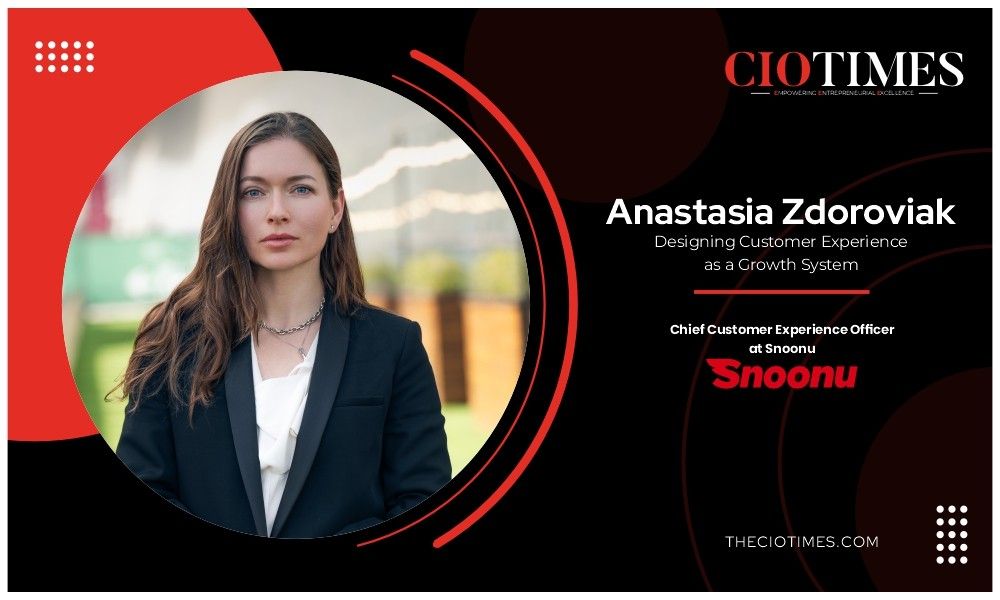
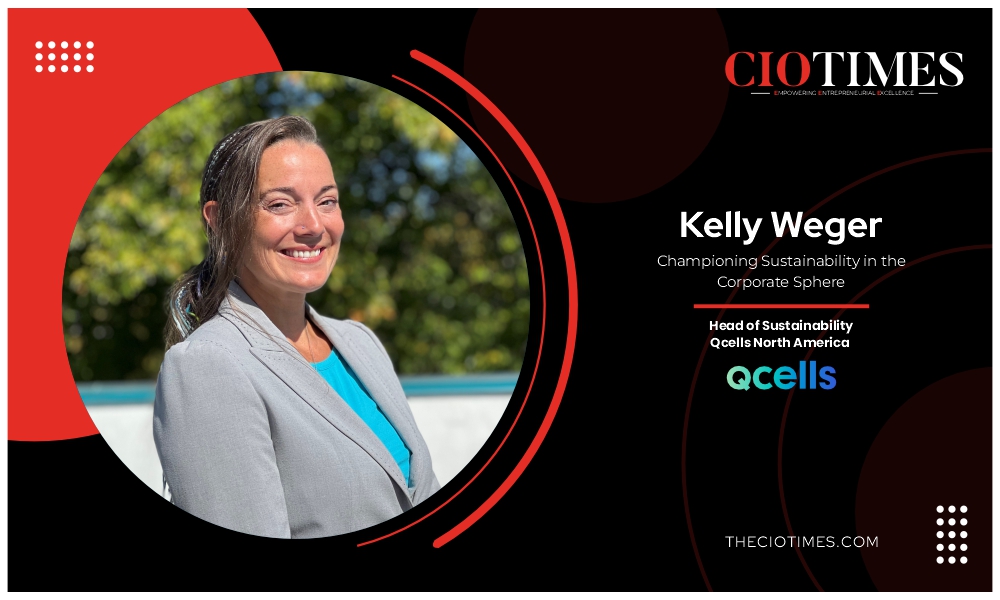
Scott Haglund: Architecting the Intelligent Enterprise Leading with Vision

As a technologist and strategist, Scott Haglund has mastered the art of translating complexity into clarity. As Chief Architect within Microsoft’s Office of the CTO, Scott has built a reputation as someone who can bridge the gap between hyperscale innovation and boardroom priorities. His career is a testament to the idea that architecture is not about systems alone. It is about shaping outcomes that matter to global enterprises.

Scott Haglund’s story is one of vision and execution. From Fortune 100 boardrooms to global media networks, he has proven that enterprise architecture is not about chasing the latest technology—it is about building intelligent enterprises that thrive in complexity. As the cover personality of this issue, he embodies the future of enterprise leadership: strategic, adaptive, and relentlessly focused on outcomes.

Scott describes his current role as that of a translator and bridge. “The key is to start with the business outcome, not the technology,” he explains. Whether it’s accelerating market entry, enhancing customer engagement, or building resilient supply chains, his conversations begin with the client’s definition of success. This philosophy has guided some of his most impactful work.

A Career Defined by Cross-Sector Mastery

Scott’s journey across industries has shaped a philosophy that is both holistic and adaptable. He has seen firsthand that while the building blocks of technology may be similar, the priorities and definitions of value differ dramatically from one sector to another.

  • Finance & Insurance: At a global insurance provider operating across 22 countries, Scott managed a $1 billion annual budget and a 400-person international team. Deploying a hybrid cloud for 22,000 servers demanded not only efficiency but also compliance with stringent regulatory frameworks. Leveraging Azure’s certifications, he achieved projected savings of $17.3 million while strengthening security and risk management.
  • Media & Entertainment: At the world’s largest media conglomerate, Scott faced the challenge of delivering flawless experiences during high-profile events. His hybrid cloud architecture, powered by Azure CDN, ensured elasticity to handle unpredictable traffic spikes, whether a breaking news story or a season finale, while optimizing costs during quieter periods.
  • Retail & E-commerce: For a billion-dollar direct-to-consumer retailer, Scott architected systems that achieved 99.8% uptime. By introducing globally distributed databases like Azure Cosmos DB, he safeguarded transactional integrity and tied performance metrics directly to profitability.
  • Healthcare & Distribution: At a major healthcare distributor, Scott focused on reliability and interoperability. He emphasizes that today, solutions like Azure API for FHIR are critical for enabling seamless, compliant data exchange across healthcare systems, ensuring continuity in supply chains that millions depend on.

Each of these experiences reinforced a simple truth: the best architecture is not the most advanced, but the most fit for purpose.

Shaping the Future of Global Enterprises

Scott’s current work is about authoring enterprise technology visions that map directly to board-level objectives. His strategies are not abstract, but concrete, multi-year architectural roadmaps that align investment with measurable outcomes. By architecting sovereign and hybrid cloud strategies using Azure Arc, he enables enterprises to expand into new markets while respecting local data residency and regulatory requirements.

What sets Scott apart is his ability to connect technology with business imperatives in a way that resonates with both engineers and executives. He doesn’t just modernize systems; he creates opportunities for growth, resilience, and transformation.

From Legacy Systems to Cloud-First Strategy

Over the course of his career, Scott has watched IT evolve from a capital-heavy cost center into a strategic engine of agility and innovation. For him, this transformation is not just about technology but about redefining the very role of IT in shaping business outcomes.

“The most significant shift has been the redefinition of IT from a capital-intensive cost center to a strategic driver of business agility and innovation,” Scott reflects. He recalls his time as a vice president at a major media publisher, where the old CapEx-dominated model often stifled innovation. “A promising idea could become obsolete by the time the hardware to support it was racked and stacked,” he says.

The move to an OpEx model, enabled by hyperscale platforms like Microsoft Azure, changed everything. It democratized access to enterprise-grade technology, allowing teams to experiment, pivot, and scale with unprecedented velocity. For Scott, this was not just an accounting change—it was a fundamental reimagining of how businesses tie technology investment directly to immediate value creation.

Architecturally, the shift has been just as profound. Enterprises have moved from monolithic, tightly coupled systems to distributed microservices. Scott explains that this evolution is more than a technical preference—it is a strategic necessity. “Monolithic architectures are brittle and slow to change. A small modification in one part of the system requires testing and redeploying the entire application,” he notes.

By contrast, Azure’s elasticity and service-based constructs like Azure Kubernetes Service (AKS) and Azure Functions empower organizations to break applications into smaller, independent services. This enables parallel development, independent scalability, and resilience, while forcing enterprises to treat APIs as the connective tissue of the modern business. The result is a more agile, composable enterprise ready to adapt to shifting market demands.


Equally transformative has been the operational mindset. Scott points to the evolution from manual, ticket-based operations to a culture of DevOps and Platform Engineering. “The goal is no longer just to keep the lights on,” he says. “It is to build intelligent, automated platforms that empower developers to deliver value securely and efficiently.” He recalls leading the transformation of a global virtualization platform for a major financial services firm, where aggressive standardization and automation reduced IT acquisition costs by 30%. That initiative laid the groundwork for the kind of platform thinking now embodied in Azure Landing Zones. For Scott, the cloud is not a destination but a new way of operating.


Yet, despite these advances, many organizations still view cloud migration as a technical initiative rather than a strategic transformation. Scott believes this is the single greatest barrier to unlocking its full potential. “The essential mindset shift is from viewing the cloud as a place to understanding it as a new operating model,” he explains. He emphasizes that successful cloud journeys require executive sponsorship at the highest level. At a global media company, he instituted an IT Steering Committee with executive management to align technology initiatives with business strategy and financial metrics. “A successful cloud journey is not led by the CIO alone; it is championed by the CEO, CFO, and business unit leaders who see it as a vehicle for achieving their strategic goals.”

Scott also highlights the importance of moving from a project-based mentality to a product-based one. In the old model, teams built applications, handed them off, and disbanded. In the cloud-native world, durable, cross-functional teams own products for their entire lifecycle. This fosters accountability, continuous improvement, and a deeper understanding of the customer.

Scott also underscores the cultural shift from risk aversion to managed risk-taking. “The cloud makes the cost of failure negligible,” he says. With tools like Azure Dev/Test Labs, teams can spin up environments, test ideas, and tear them down without capital outlay. This encourages experimentation and agility—the hallmarks of market leaders. “The goal is not to eliminate failure but to learn from it quickly and cheaply,” Scott adds.

Challenges in the Migration Journey

Through his work with the cloud accelerate factory, Scott has seen a consistent set of challenges that organizations face, regardless of their size or industry. These are often less about technology and more about people, process, and strategy.

The most pervasive issue is underestimating legacy complexity. Many organizations begin migration with only a partial understanding of their application portfolio. Midway through, they uncover undocumented dependencies, hard-coded configurations, and layers of technical debt. These surprises lead to delays and spiraling costs. Scott insists on a comprehensive enterprise portfolio assessment by using tools like Azure Migrate as the essential first step to prioritize and phase modernization efforts.

Equally damaging is the skills gap. The demand for cloud-native expertise far outpaces supply. Teams accustomed to managing virtual machines and storage arrays often struggle with Kubernetes, serverless computing, or infrastructure-as-code. The result is poorly designed architectures, security vulnerabilities, and missed opportunities to leverage the full power of the platform.

Another common pitfall is failing to transform the operating model alongside the technical migration. Organizations that cling to manual, ticket-based systems in the cloud negate its agility benefits and sometimes incur higher costs than on-premises. This often leads to “bill shock,” as unchecked provisioning and idle environments drive expenses upward. Scott emphasizes the importance of FinOps discipline and tools like Azure Cost Management + Billing to keep financial governance in check.

Finally, security and compliance paralysis can stall initiatives before they begin. Traditional perimeter-based models are obsolete in the cloud. Without adopting a Zero Trust framework from day one, organizations expose themselves to significant risk.

Guiding Principles for Future-Ready Cloud Architecture

Architecting for the cloud, believes Scott, requires a departure from the principles that governed the static, on-premises world. A future-ready cloud environment, as defined by an Azure Landing Zone, must be dynamic, resilient, and adaptable by design. Scott’s architectural philosophy is built on five core guiding principles.

The first is to design for failure, not perfection. In distributed systems, failures are inevitable. Architectures must detect, tolerate, and recover automatically using Azure Availability Zones, health checks, auto-scaling, and loosely coupled services. This ensures that the failure of one component does not cascade into a total outage.

Second, embrace a Zero Trust security posture. The perimeter-based model is obsolete. Zero Trust requires explicit verification, least-privilege access, and an “assume breach” mindset. Every request must be authenticated and authorized through Microsoft Entra ID, embedded from the very beginning of design.

Third, automate everything with Infrastructure as Code (IaC). Networks, servers, databases, and security policies should be defined in code using Bicep or Terraform. This enables peer review, version control, and automated testing, while eliminating configuration drift. It also allows entire environments to be rebuilt in minutes—a lesson Scott applied in financial services transformations.

Fourth, adopt a Platform Engineering model. A central team should build and maintain an Internal Developer Platform with Azure DevOps, offering curated, self-service tools. This abstracts complexity, enforces governance, and lets application teams focus on delivering business value.

Finally, architect for evolvability and portability. By leveraging open standards, APIs, and containerization with Azure Kubernetes Service (AKS), organizations avoid vendor lock-in and ensure adaptability.

As Scott notes, “Today’s best-in-class service may be obsolete in three years; the architecture must be designed to evolve.”

Balancing Agility with Discipline for Cost Optimization

Balancing innovation and financial discipline has been one of the most critical challenges in cloud management. Scott believes that the answer lies in adopting a FinOps culture, which brings financial accountability to the variable spend model of the cloud. It is the operational embodiment of the principle that cost is a non-functional requirement, a core pillar of the Azure Well-Architected Framework.

The first principle, explains Scott, is visibility and accountability. In the on-premises world, costs were buried in centralized IT budgets. In the cloud, every dollar can be attributed to a specific team, product, or feature. A robust tagging strategy within Azure Cost Management + Billing is foundational. When developers see in real time that a single line of code has increased daily costs by $500, it changes both behavior and architectural decisions.

Second, Scott emphasizes empowering teams to own optimization. FinOps is not about finance policing spend—it is about giving engineering teams the autonomy and tools to make cost-aware choices. Dashboards, automated recommendations from Azure Advisor, and policies that shut down non-production resources outside business hours all reinforce this principle.

Third, cost must be integrated into architectural governance and design reviews. At a global financial firm, Scott established technical architecture review boards where cost was a primary consideration. His work on carbon-conscious patterns further demonstrated that energy-efficient designs are often more cost-efficient.

“Ultimately,” says Scott, “the goal of FinOps is not just to save money, but to maximize the business value of every dollar spent in the cloud, enabling data-driven conversations about trade-offs that keep spending aligned with strategic priorities.”

Security in the Era of Cloud and AI

Scott acknowledges that the convergence of cloud and AI has rendered traditional, perimeter-based security frameworks obsolete. The attack surface has expanded from a well-defined corporate network to a distributed ecosystem of cloud services, IoT devices, third-party APIs, and now, autonomous AI agents. Organizations must fundamentally rethink their approach to security, moving from a reactive, fortress mentality to a proactive, identity-centric framework built on the principles of Zero Trust and AI-driven security operations.

 The foundational principle, Scott shares, is: never trust, always verify. Every access request, whether from a user, device, or application, must be authenticated, authorized, and encrypted before gaining entry. Least-privilege access enforced through Microsoft Entra ID, combined with micro-segmentation and continuous monitoring via Microsoft Defender for Cloud, ensures resilience against breaches.

Security must also shift-left through DevSecOps. Instead of being a late-stage check, it becomes embedded in the CI/CD pipeline. Tools like GitHub Advanced Security scan code for vulnerabilities, analyze container images, and enforce policies automatically, making security a seamless part of development.

Scott emphasizes the role of AI in augmenting security operations. With the sheer volume of signals modern enterprises face, human analysts alone cannot keep pace. Platforms like Microsoft Sentinel automate threat detection, correlate alerts, and identify sophisticated attack patterns in real time, enabling autonomous responses within milliseconds.

Finally, the rise of Agentic AI introduces a new frontier. Securing autonomous agents requires governance frameworks that embed ethical principles, monitor behavior with tools like Azure AI Content Safety, and develop containment strategies.

“Instituting a comprehensive AI governance framework is a core part of my current role, ensuring that as we build the autonomous enterprise, we do so securely and responsibly,” asserts Scott.

Bridging Technology and Business for Organizational Alignment

Bridging the gap between technology and business is perhaps the most critical role of a modern technology leader. It is a challenge that Scott has faced in every leadership position he has held. The key, he says, lies in speaking the language of the business, demonstrating value in financial terms, and building relationships based on trust and shared goals.

Technology leaders must communicate in terms of business outcomes, not technical jargon. When Scott presents a multi-year architectural strategy to the board, he talks about accelerating time-to-market, reducing customer acquisition costs, or increasing market share, and not Kubernetes clusters or serverless functions. At a global media company, he instituted an IT Steering Committee to create a shared vocabulary and align technology initiatives with strategic objectives.

Every initiative must also rest on a solid business case. Scott recalls proposing a “reverse auction” to consolidate desktop standards at a media publisher, approved because it saved over $21 million in the first year. Similarly, a grid computing solution for a financial services firm was justified by its cost-effective handling of actuarial computations.

Finally, alignment requires governance structures that foster collaboration. Scott chaired technology committees at major media conglomerates, ensuring business and technology leaders jointly prioritized initiatives. For him, the essence of leadership is making technology strategy inseparable from business strategy.

AI and the Future of Cloud Architecture

The rise of AI is catalyzing the next major evolution in cloud architecture. For the past decade, cloud architecture has been focused on providing the foundational infrastructure for modern applications: compute, storage, and networking. The next era, feels Scott, will be defined by its ability to support the development, deployment, and governance of AI-powered, autonomous systems, a shift from Infrastructure-as-a-Service to what he calls Intelligence-as-a-Service.

At the heart of this transformation is the data layer. AI models are only as strong as the data they are trained on. Future architectures must deliver unified, intelligent platforms or “data fabrics” like Microsoft Fabric that are capable of ingesting, processing, and governing data at massive scale across multi-cloud and hybrid environments, complete with integrated governance and quality controls.

Cloud environments will also need to be optimized for the AI lifecycle. Specialized GPU infrastructure for training, combined with robust MLOps platforms like Azure AI Studio, will automate everything from data preparation to deployment, monitoring, and retraining. Applications themselves will evolve into agentic systems—trained on goals, capable of learning and adapting. Architectures must orchestrate multiple AI agents through Azure OpenAI Service, securing their access to data and enforcing ethical guardrails.

Finally, Scott sees the economics of the cloud shifting from cost-per-server to cost-per-outcome. The true value will lie not in raw compute, but in the intelligence and automation it enables. In this new era, architects will sit at the very center of strategic value creation, designing systems that deliver measurable business outcomes in the most cost-effective way.

 Looking Ahead: The Future of Enterprise Technology

Looking forward to the next deacde, Scott sees three interconnected trends that will redefine enterprise technology: the rise of the autonomous enterprise, the shift to composable, platform-based architecture, and the imperative of sustainable and sovereign computing.

The first is the autonomous enterprise, powered by agentic AI. Scott believes we are only at the beginning of this shift, but in the coming years AI will evolve from assisting humans to managing entire business processes independently. Platforms like Azure OpenAI Service will underpin this transformation, requiring enterprises to rethink applications, architectures, and operating models. IT’s role will move from building systems to designing, training, and governing autonomous agents.

Second, enterprises will embrace composable, platform-engineering models. Monolithic applications will give way to unified digital platforms built on microservices, APIs, and containerization, orchestrated with tools like Azure Logic Apps and Azure Functions. Business users will assemble new capabilities from reusable components, accelerating innovation and enabling near real-time adaptation to market shifts.

Finally, sustainability and digital sovereignty will become primary drivers. As AI’s energy demands grow, organizations will face pressure to adopt carbon-aware solutions using the Microsoft Cloud for Sustainability. At the same time, rising geopolitical tensions and stricter data privacy laws will make digital sovereignty essential. Solutions like the Microsoft Cloud for Sovereignty will ensure compliance with complex national and regional regulations.

“These three trends are deeply intertwined, and navigating them will be the defining challenge and opportunity for the next generation of technology leaders,” concludes Scott.

DESIGN HIGHLIGHTS

Quote: “My diverse experience has shown me that the best architecture is not the most technologically advanced, but the most fit for purpose.”

Quote: “As a chief technical advisor, the essence of my role is to ensure that our technology strategy is inseparable from our business strategy.”

 Leadership Philosophies

For Scott, leadership is about aligning vision, empowering teams, and keeping the customer at the center of every decision. Over the years, he has developed a leadership philosophy rooted in enabling people to do their best work. His approach rests on the following three pillars:

  • Clarity of Purpose
    In complex, distributed environments, micromanagement is impossible. Scott believes leaders must provide a clear vision of the “why.” At a global insurance firm, he ensured every member of a 400-person team understood the end-state of a three-year transformation: a fully automated, scalable, and secure private cloud that would save millions and enable growth.
  • Empowerment with Accountability
    Scott hires the best talent, gives them autonomy and resources, and holds them accountable for results. His role is to ask the right questions and remove roadblocks, fostering ownership and innovation.
  • Relentless Customer Focus
    Whether introducing site performance metrics at a major e-commerce retailer or instituting ITIL processes at a media publisher, Scott has always tied operational performance directly to customer experience and business value.

Advice for the Next Generation of Technology Leaders

Over the years, Scott has mentored countless professionals, and his advice for the next generation of cloud architects and technology leaders is both practical and inspiring.

  • Cultivate breadth, not just depth.
    Be a polyglot. The strongest architects aren’t confined to one specialty—they understand networking, security, data, and application development, and can see how the pieces of the Azure portfolio fit together. Pair deep expertise in a few areas with broad knowledge across disciplines, including finance, marketing, and supply chain.
  • Speak the language of business.
    Success isn’t measured by elegant designs, but by outcomes. Learn to read financial statements, understand company strategy, and tie every architectural proposal to revenue growth, cost reduction, or customer satisfaction.
  • Stay endlessly curious.
    Technology changes fast. The only way to remain relevant is to be a lifelong learner. Read widely, experiment with new tools, attend conferences, and seek mentors—while also mentoring others. The best architects are those who never stop asking “What if?” and “Why?”.


Jill O’Sullivan: A Seasoned Private Banking Professional Striving for Long-term Client Relations

Women in business means authority. They are professionals who are curious about a particular work aspect while clearing the air around it. Bringing in intellect, ease, and balance in the daily operations is their forte. From technology innovators to financial strategists, women have been shining, and the influence extends beyond traditional corporate boundaries. These sharp minds are focused on the target to achieve and do so with strategic ability. A professional whose name cannot be missed is Jill O’Sullivan, Senior Vice President at HSBC Bank, New York. She describes her personality as a connector; her contributions in the banking sector have been impeccable.

Parents Guidance

Calling herself an accidental banker, she felt inclined throughout her high school and college years to pursue a career in the service sector. She reckons it may be attributed to her Catholic school upbringing. Not knowing if this path involved the Peace Corps or a nonprofit-focused major, she sought direction from her parents, whom she admired as role models. Her mother worked a part-time job and has been her consistent supporter in choosing an ideal career so O’ Sullivan could possess good things. Her father spent his entire professional life working at the NYSE, while pushing her towards pursuing finance as a career, which she also obliged to. She was hopeful to connect finance with her desire for service.

Obeying her parents proved fruitful for her, and she secured her first job at Smith Barney, where she worked at a retirement planning help desk. Not the job she envisioned, but it proved to be a primary introduction to the finance industry. Immediately after, she was offered the position of a Relationship Officer (a Junior Banker) at Citibank. Upholding her desire to serve others, she took the plunge to enter wealth management and private banking. Humbled enough to consider herself lucky to get mentorship from a senior leader who took her along to client meetings.

She shares, “My role was primarily opening accounts for high- and ultra-high net worth individuals, which included compiling ‘Source of Wealth’ profiles.  I was fascinated by our clients’ personal stories of starting businesses, creating foundations, supporting the arts, sitting on impressive boards, and working on projects that positively changed the world.”

Witnessing their stories and achievements ignited a zeal in her as she was helping them make crucial financial decisions. That was the eureka moment when she gained insight into her career, and she was enjoying it to the fullest.

Exposure Imparts Growth

She has worked with pioneers of the financial sector, like Citi, Smith Barney, J.P. Morgan, Wells Fargo, and HSBC. These experiences have been an eye-opener that has shaped her perspective on her work. Initially, during her private banking career, she keenly observed seasoned bankers and advisors at several institutions. She often fell into self-doubt, thinking about whether or not she could be a banker herself someday.

The feeling was due to her less developed professional network and lack of self confidence in the early stages of learning about the financial markets.  She wondered if she expressed herself convincingly when interacting with clients dealing with complicated investment decisions. But somewhere she also knew she was gradually defining what type of work she wanted to do in this field and what type of advisor she aspired to become.

As she got promoted to a banker, she learnt that she could be herself rather than mirroring anyone.

She shares, “I could be successful just being myself, as long as I made the client my top priority.”

Working in large organizations taught her to be of value to clients, to maintain a strong alliance with external networks, too. She made thoughtful use of the resources around her to bring to life initiatives that truly reflected her values, particularly those focused on supporting women through specialized events and educational programs. Along the way, she grew into the kind of advisor she had once hoped to find herself, someone approachable, committed, and genuinely driven by a desire to make a meaningful difference in people’s lives.

Establishing Trust

She deals with high-net-worth and ultra-high-net-worth clients, which means trust building is crucial. In this sphere, these clients seek an accurate amount of attention, which is rare to find. They yearn to be heard and also want a quick and practical response. Due to extremely busy schedules, they need their financial choices to be made clear. Being an advisor, O’Sullivan considers her role as one of deep understanding. Exhibit ideal solutions to make things easy. It established a bond that the clients cherish for a long time.

She aligns personalized client service with the institutional goals and risk management agendas crafted.

She shares, “These things should all be aligned, so if we’re doing good business, we should be able to meet our goals without presenting a risk to the bank.”

Aligned Minds

About leadership qualities, O’Sullivan stresses that being passionate about people in the private banking sector is crucial. Being intrigued consistently to solve a client problem should be the goal. Value proposition for the business is a key for the whole team to gain ideal insights into.

She adds, “We have to be on the same page in terms of our desire and ability to serve the client.  It’s when we all have a vested interest in the outcome of the business that we succeed together.”

Human Touch

As technology and digital transformation are redefining wealth management, financial advisors and clients will be able to access information with ease. But in the high- and ultra-high net worth space, O’Sullivan thinks clients will still need the high, white-glove touch that comes down to a human level of service, which is irreplaceable.

Balanced Motivation

With more than two decades in the finance industry, she is motivated by her clients’ work and their financial journeys. The motivation has a dual approach:

  • She finds bliss in helping them reach their anticipated financial goals.
  • A mother of two daughters, she constantly sets positive examples for them. She and her husband impart the message to their daughters that they should strive to do whatever they wish to do with hard work, and they should be on a mission to do something that makes them proud and be passionate about it, too.

Learning Through Challenges

Private banking operates in a constantly changing landscape. The events of 9/11 took place sometime after O’Sullivan joined the private banking sector. Many aspects changed overnight. It was quite a shock for people who lived and worked in NYC on a personal level. The sector overall made major shifts in the way it did business.

She shares, “Our AML and KYC standards were completely overhauled, and strict new rules were applied to the onboarding of new clients.”  

Many of these measures are still in place today to ensure agility and manage risks.

Advice for Future Professionals

For aspiring finance professionals, O’Sullivan suggests taking time to focus on building a strong network. It is an aspect that will evolve throughout their lives, and it shouldn’t stop when they get their first job.

She shares, “They should seek out good mentors and sponsors and find ways to build bridges across their company and industry. I’d also encourage them to find non-profit or volunteer work that they love.”

This will help to build an authoritative resume while developing connections in different fields that could last a lifetime.

Constant Evolvement

As technology and AI continue to move at an extraordinary pace, she understands that many areas of the wealth management industry are steadily becoming automated. The next generation of clients is growing up with unprecedented access to information far more than their parents ever had at their fingertips. Yet, she believes that no matter how advanced technology becomes, it cannot replace the reassurance and clarity that come from a trusted human relationship. Clients still want someone who can listen, interpret complexity, and guide them with perspective and care.

O’Sullivan sees her own role naturally evolving in response to this shift, especially as many of her clients become increasingly global in their ambitions and lifestyles. For her, the future is about deepening those relationships and finding meaningful ways to connect clients with the right global resources both within the banking world and beyond so they feel supported wherever their journeys take them.

After some business conversations, we shifted the conversation to some casual questions, which she was kind enough to answer. The questions we asked were:

  • What book are you reading currently? Hamnet with my work book club, and I just finished re-reading A Tree Grows in Brooklyn (a national treasure!) with a local book club I started.
  • One word that best describes your personality: Connector
  • What’s the most important lesson you’ve learned? (Personal or professional): I didn’t fully realize that I shouldn’t try to be anyone but myself until I was about 10 years into my career. Today, I know that being authentic, staying true to my values and my faith, and having a relentless drive to do good make me a role model for my daughters, and for others.
  • What’s the best professional advice you’ve received? A best practice from my banker partner, Andrew Passeri: Stop e-mailing and pick up the phone! Even better – meet in person.
  • What is your favorite quote?: If not me, then who? If not now, then when?


Blanca De La Rosa: From Corporate Corridors to Bookshelves — Championing Mentorship, Inclusive Leadership, Resilience, Empowerment, and Meaningful Career Impact Worldwide

Women are often said to bring balance to every space they enter — and the business world is no exception. When women lead, organizations benefit from stronger collaboration, adaptability, and resilience. Few embody these qualities as fully as Blanca De La Rosa, an established author, global speaker, and longtime leader within one of the world’s largest energy companies, whose journey reflects excellence, purpose, and a lifelong commitment to empowering others.

An Illustrious Journey

Blanca spent 34 years with Mobil and ExxonMobil, building a career that took her across the United States, Europe, Latin America, and Nigeria. These experiences shaped her global perspective and deep understanding of the energy industry.

From 2007 to 2010, she served as Vice President and later President of ExxonMobil’s Global Organization for the Advancement of Latinos (GOAL), where she championed the growth and advancement of Hispanic employees. She was also a frequent speaker at Hispanic Heritage Foundation scholarship events and represented ExxonMobil as a keynote speaker and panelist for organizations supported by the ExxonMobil Foundation.

She reflects, “Energy isn’t just a business — it’s a lifeline that demands empathy, adaptability, and responsibility.”

In a journey that carried her from corporate corridors to bookshelves, Blanca transformed decades of experience into a powerful body of written work. She is the author of twelve books, including four Spanish translations. Her body of work spans empowerment, leadership, personal development, and fiction. Among these are two business books — A Holistic Approach to Your Career and Empower Yourself for an Amazing Career — which distill decades of professional insight into practical strategies for navigating and advancing in the workplace. Through her writing, she shares lessons learned, common career missteps, and tools for overcoming challenges with authenticity and resilience.

After more than three decades in a Fortune 5 environment, she considers her most meaningful work to be mentoring young women and helping them navigate the corporate world with confidence, clarity, and purpose.

Global Exposure Molds Leadership

Throughout her career, Blanca held domestic and international assignments that took her across the U.S., Europe, Latin America, and Nigeria — often for weeks at a time. These experiences shaped her leadership style and her approach to collaboration within complex organizations.

Her global responsibilities taught her that effective collaboration depends on cultural intelligence. In Nigeria, she learned to balance corporate priorities with local realities, adapting her leadership to environments where resources, expectations, and cultural norms differed significantly from headquarters. In Europe, she saw how consensus‑driven approaches could strengthen outcomes and build alignment. Across Latin America and the U.S., she witnessed how cultural nuance shapes communication, trust‑building, and team dynamics. Exposure to diverse perspectives made her a more inclusive leader — one who values dialogue, listens deeply, and builds trust across differences.

She notes, “Global leadership is built on cultural intelligence — and the discipline to listen before you lead.”

Inclusive Leadership

As Vice President and later President of GOAL, Blanca saw firsthand how employee resource groups (ERGs) can drive professional development, inclusion, and meaningful business outcomes. When treated as strategic partners rather than symbolic initiatives, ERGs strengthen talent pipelines, expand visibility, and bring diverse perspectives into decision‑making.

GOAL provided Latino professionals with visibility, mentorship, and access to senior leadership — opportunities not always available in day‑to‑day roles. That exposure opened doors, strengthened confidence, and demonstrated that inclusion directly supports innovation and performance.

She emphasizes, “ERGs aren’t symbolic — they’re strategic engines for visibility, growth, and innovation.”

Giving Back

Blanca’s work as a keynote speaker and panelist for organizations supported by the ExxonMobil Foundation reflects her deep commitment to community engagement. She believes education is the most powerful equalizer, and corporate involvement in scholarship and STEM initiatives is essential for expanding opportunity.

Through her engagement with the Hispanic Heritage Foundation, she helped develop the LOFT (Latinos on the Fast Track) program, pairing Latino students with professionals for corporate exposure and job shadowing. Scholarship programs provided tuition support and laptops, opening doors for underrepresented students and strengthening the future talent pipeline.

These experiences reshaped her leadership philosophy. She learned that leadership is not defined by titles, but by impact.

She explains, “Education is the ultimate equalizer — and mentoring multiplies opportunity far beyond what titles ever could.”

Steering Through Challenges

Beginning her career in the early 1980s meant entering corporate spaces where diversity was rare. As a Latina woman, she was often the only woman in the room — and always the only Latina.

With few role models, she learned through trial and error. Mistakes sometimes cost her opportunities, but they strengthened her resilience, sharpened her authenticity, and gave her the confidence to carve a path where none existed before

She recalls, “More often than not, I was the only woman — and always the only Latina. Resilience and authenticity became my anchors.”

Sharing What Isn’t Taught

Blanca’s authorship began long before she retired. After three decades of climbing the corporate ladder in a Fortune 5 company, she felt compelled to document the challenges she saw so many professionals quietly facing — ineffective managers, stalled careers, and a lack of guidance. In 2012, while still navigating her corporate career, she wrote Empower Yourself for an Amazing Career, a book she often describes as her “practice book.” Candid and practical, it offers guidance on conflict management, career advancement, and resilience — the mentorship she never had early in her career.

As a minority and immigrant, Blanca often believed she was alone in her struggles. When she joined Mobil’s Supply and Trading group — a space typically reserved for MBA graduates from elite schools, seasoned industry professionals, and top performers with international assignments — she was initially thrilled. That excitement quickly faded. Surrounded by graduates of Wharton, Duke, Harvard, and Cornell, she questioned her own value. Her cultural background and lack of an MBA led her to believe she wasn’t good enough.

Over time, she watched many of those same Ivy League graduates struggle. They had strong credentials, but lacked the instinct, adaptability, and resilience needed to succeed in a demanding, “sink or swim” environment. She came to realize that her ten years of industry experience, intuition, and life lessons were equally valuable — and often more so — than formal degrees. Once she embraced that truth, her confidence returned.

That realization became central to her philosophy and the foundation of her book: success is not defined by credentials alone, but by resilience, authenticity, and confidence in one’s own worth.

She reflects, “My book is mentorship in print — born from my struggles as an immigrant and built as a toolkit for authentic, resilient career growth.”

The Power of Vulnerability

In her writing, Blanca openly addresses the career mistakes that cost her promotions, underscoring why vulnerability and honesty are essential tools for professional growth. She believes careers are not linear, and by sharing her own missteps, she aims to normalize failure as a natural part of development. Failure can be a catalyst — a wake‑up call that forces important lessons to surface. Vulnerability builds trust, and honesty helps others avoid the same pitfalls.

Blanca emphasizes the importance of understanding why failure occurred and what lessons emerged from it. Failure is not accidental; it stems from actions, inactions, and how individuals respond to their environment or circumstances. Growth requires facing and reassessing the behaviors that contributed to setbacks so progress can continue with clarity. Sometimes what feels like failure is simply life redirecting someone toward a more meaningful path.

History reinforces this perspective. Abraham Lincoln faced multiple defeats before becoming one of America’s greatest presidents, and Thomas Edison reframed thousands of unsuccessful experiments as lessons in how not to create a light bulb. Their persistence illustrates that failure is often the first step toward success.

She shares, “Vulnerability builds trust — setbacks become lessons when they’re owned and turned into stepping stones.”

Resilient Growth

For professionals struggling to recover from setbacks, Blanca emphasizes strategies that help overcome adversity and rebuild confidence in high‑pressure environments. The first step is acknowledging a setback without denial. The second is reframing it as a learning opportunity. The third is taking small, consistent steps to restore confidence.

Resilience, in her view, is not an instant rebound but steady progress grounded in renewed clarity. Effective recovery requires patience — rebuilding confidence through incremental wins, seeking guidance from mentors, and remembering that setbacks are temporary. Over time, this deliberate progress reignites performance and restores belief in one’s own capabilities.

She notes, “Resilience isn’t instant — it’s steady progress built on reflection, patience, and renewed confidence.”

Exhibiting Leadership Beyond Credentials

Blanca emphasizes that while technical excellence matters, leadership requires emotional intelligence, strategic vision, and influence beyond one’s immediate role — a theme she explores deeply in A Holistic Approach to Your Career. Advancement demands a holistic blend of education, interpersonal skills, and diverse experiences.

Degrees may open doors, but real success comes from adding value to the organization’s bottom line. Those who combine education with real‑world wisdom and resilience are the ones who rise

She states, “It takes more than a degree — emotional intelligence, vision, and resilience are what keep careers moving forward.”

Unity Is Strength

Mentoring young women has been the most rewarding chapter of Blanca’s career, offering a front‑row view into the obstacles women continue to face in corporate environments — and the ways organizations can address them more effectively. Women still encounter unconscious bias, lack of sponsorship, and the constant pressure to balance career and family expectations. The “glass ceiling” may be invisible, but its effects are unmistakably real.

While women did not create these barriers, too often they inadvertently help maintain them — staying silent, shrinking themselves, or competing for limited visibility. Blanca believes the antidote is solidarity. When women mentor, sponsor, and amplify one another, they dismantle internal barriers and weaken external ones.

Solidarity transforms advancement from an individual climb into a collective rise. No one breaks the glass ceiling alone; every breakthrough is a shared effort, fueled by allies who recognize equality as a collective responsibility. Confident women become catalysts for progress, mirrors of truth, and models of resilience. And to every woman who has been told she is “too ambitious” or “too much,” Blanca offers a reminder: you are not too much — you are exactly enough.

Through mentoring, she has seen that dismantling these barriers requires both organizational accountability and personal empowerment. Solidarity becomes the bridge across the glass ceiling. When women lift one another, they rise higher together, leaving the ceiling powerless.

She affirms, “Solidarity is the bridge across the glass ceiling — we rise higher when we rise together.”

Future Prognosis

Blanca emphasizes that companies seeking to build sustainable, future‑ready cultures must prioritize flexibility, inclusion, and leadership accountability as core values. Future‑ready cultures empower employees to bring their authentic selves to work, adapt quickly to change, and hold leaders responsible for creating equitable opportunities.

Yet many organizations still undervalue institutional knowledge and hands‑on experience, often giving more weight to the prestige of an MBA or elite credential than to the proven track record of employees who consistently deliver results. Blanca believes this imbalance weakens leadership pipelines and overlooks the strategic value of lived experience.

Sustainable cultures recognize institutional knowledge — the insight gained from years of navigating challenges, building relationships, and driving performance — as a critical asset. By balancing formal education with the wisdom of experience, organizations can cultivate stronger, more resilient teams.

She emphasizes, “Future-ready cultures thrive on flexibility, inclusion, and accountability — and they must value institutional knowledge as much as credentials.”

Touching Lives Is the Legacy

Looking ahead, Blanca hopes to leave a legacy of resilience and empowerment, both within the corporate world and among the individuals whose careers she has helped shape. In the corporate arena, she aims to be remembered as someone who opened doors, challenged norms, and created pathways where none existed. Among individuals, her mentorship and writing are meant to inspire others to rise from setbacks, embrace authenticity, and build careers rooted in both success and purpose.

For Blanca, legacy is not defined by personal achievements but by the lives touched along the way — by those who can say, “You made a difference in my life.” She believes that resilience and leadership can coexist with compassion and authenticity, and that true influence is measured not by titles or salary, but by impact.

Her guidance for younger women pursuing their dreams is clear: live boldly, live bravely, and protect your peace. Do not let fear or doubt stand in the way of greatness. Each generation walks on the paths carved by the women who came before them; their defiance is a call, their endurance a mirror. Progress is never simply given — it is claimed, sustained, and carried forward by those who refuse to retreat.

She concludes, “My legacy is resilience and empowerment — measured not by titles, but by the lives I’ve touched.”


Discover the Exciting New Polpo Saloon Coming to Palm Beach

With a brand-new site scheduled to open in 2026, the renowned luxury Italian company Polpo Restaurant & Saloon, originally from Greenwich, is getting ready for a dramatic return to Palm Beach. One of the most eagerly awaited restaurant announcements in the area is the return of Polpo, which is renowned for its genuine Calabrian-influenced cuisine, elegant setting, and exceptional owner-driven service. The brand is returning after a successful prior stint in Palm Beach in response to high demand from devoted diners and longtime customers who have been waiting impatiently for its return.

Polpo’s Famous Comeback to Palm Beach

Polpo, which combines sophisticated sensibilities with a cozy and welcoming ambiance, has long been recognized as a symbol of elegant Italian eating. Its return to Palm Beach is a momentous occasion for the region’s fine-dining and hospitality scene. Once again, patrons can anticipate the restaurant’s upscale service, cozy yet energetic setting, and owner-led personal touch that distinguish it from other luxury dining establishments.

The brand’s dedication to providing a top-notch culinary experience is reflected in the new location, which is perfect for unforgettable evenings out, high-profile meetings, business lunches, and professional networking. This comeback also highlights the brand’s ongoing growth in South Florida and enhances Palm Beach’s standing as a top-notch dining destination.

Calabrian-inspired Signature Cuisine

The culinary customs of Calabria, a southern Italian province renowned for its robust, colorful flavors and coastal seafood specialties, served as a major inspiration for Polpo’s menu. Premium ingredients and traditional techniques that emphasize simplicity, freshness, and authenticity are the foundation of the restaurant’s character.

Superior Seafood

With distinctive dishes that have come to represent Polpo’s individuality, the seafood selection is anticipated to continue to stand out. Customers can anticipate:

  • Octopus on the grill
  • Pompano Branzino Dover sole
Every dish showcases the brand’s enduring dedication to precisely prepared, classic Italian-inspired seafood.

Highlights of the Menu That Visitors Can Expect

Polpo is well-known for its carefully chosen assortment of traditional Italian-American dishes that are expertly prepared, in addition to its seafood specialties. The anticipated features of the reopening Palm Beach location include:
  •  Baked clams
  • Meatballs made at home
  • Hot rigatoni
  • Superior quality steaks
  • Homemade limoncello

Polpo’s status as a fine-dining destination and a cozy, familiar meeting spot where guests feel linked to tradition and heritage has been bolstered by these fundamentals.

The Polpo Experience: Elegant Yet Friendly

The restaurant’s elegant yet welcoming ambiance is one of its most distinctive features. Polpo provides a setting that is both opulent and intimate, making it appropriate for social events, business meetings, and private dinners.

The owner-led atmosphere, which was greatly influenced by Ron Rosa, the creator, guarantees a degree of hospitality that combines style and genuineness. When Polpo first opened in Palm Beach, this special combo won it a lot of praise, and it’s what returning customers are most eager to relive.

Ron Rosa, the founder, is the leader of this legendary legacy

The history of Polpo, which was founded by restaurateur Ron Rosa, is based on a deeply personal approach to hospitality, enthusiasm, and constancy. Genuine connections with customers, a commitment to culinary excellence, and maintaining the allure of classic Italian dining are at the core of Rosa’s concept.

Ongoing requests from former customers who missed the restaurant’s distinctive flavors and lively atmosphere were a major factor in the decision to return to Palm Beach. Polpo’s deep emotional bond with the community is reflected in this overwhelming demand.

Palm Beach’s Excitement

Palm Beach has long been a destination for discriminating eaters who value fine dining. The region’s affluent lifestyle, expanding eating scene, and desire for first-rate hospitality experiences are all well complemented by Polpo’s comeback. Locals and seasonal tourists are getting more and more excited as the 2026 opening draws near, ready to experience the well-known brand once more.
Read our Exclusive interview with Lucimary Henrique

Starbucks Introduces Bonuses and Expanded Tipping to Support Baristas

Starbucks has started a number of new projects to enhance the working conditions for its staff. Starbucks is reaffirming its dedication to employee satisfaction, retention, and professional development by emphasizing bonuses for baristas and increasing tipping options. Additionally, the action ensures that baristas and other frontline employees feel appreciated and supported, which is consistent with the company’s larger focus on diversity, inclusivity, and growth opportunities.

This upgrade is a part of a number of “Starbucks new initiatives,” which represent the company’s continuous attempts to improve its internal environment, make essential resources accessible, and establish worthwhile career pathways.

Employee incentives and bonuses

In recognition of their vital role in day-to-day operations and customer service, Starbucks is implementing financial bonuses for baristas. By compensating front-line staff, the business hopes to:

  • Increase motivation and morale
  • Promote sustained retention
  • Recognize outstanding workT
This program is closely related to Starbucks’ “starbucks opportunities for growth” ideology since it encourages staff members to perform well in their positions while feeling supported by the company.

INCREASED OPTIONS FOR TIPPING

Starbucks is growing its tipping channels, including improved digital choices, in addition to bonuses. Through mobile apps, contactless payments, and in-store platforms, customers may now tip more conveniently. The enlarged tipping system is intended to:

Boost workers’ total compensation
bolster the rapport between employees and clients
Establish a more welcoming and encouraging work environment

This strategy ensures that every employee has access to just compensation and recognition, which is consistent with Starbucks’ emphasis on “starbucks inclusivity.”

IMPROVING THE INTERNAL WORKPLACE

Starbucks’ new programs are a component of a larger plan to enhance the workplace culture and employee experience. The organization is reiterating its fundamental principles through training programs, diversity efforts, and improved benefits:

Starbucks diversity training: Initiatives to promote equity and inclusivity in the workplace.
Starbucks storytelling: Fostering a feeling of community by encouraging staff members to share their experiences and contributions.
Starbucks resources include financial advice, mental health help, and career development options.

These initiatives guarantee that workers are equipped for long-term advancement within the organization and feel heard and encouraged.

ADDITIONAL BENEFITS FOR EMPLOYEES

Starbucks continues to provide advantages that appeal to a wide range of employees in addition to bonuses and tipping, such as:

Starbucks’ college student discount helps students manage their time between employment and school.
chances for training and flexible scheduling.
career paths that lead to corporate and management positions.

When taken as a whole, these advantages show Starbucks’ continued dedication to creating a sustainable, interesting, and fair workplace.

IMPACT AND SIGNIFICANCE

Starbucks enhances its reputation as an employee-focused company by offering bonuses and increasing tipping possibilities. These programs are essential in the cutthroat retail and hotel industries, where employee morale and retention have a direct impact on business success.

Starbucks is investing in its employees both monetarily and culturally, as evidenced by the emphasis on “Starbucks story telling,” inclusion, and internal resources. It is anticipated that this mix of incentives, training, and recognition will improve customer satisfaction and aid in the long-term strategic expansion of the business.

Starbucks Provides Bonuses, Tipping, and Opportunities for Growth to Empower Baristas

Starbucks’ decision to increase tipping options and offer bonuses to baristas demonstrates the company’s dedication to creating a welcoming, inclusive, and growth-oriented work environment. Starbucks is rewarding its frontline employees and enhancing its internal environment by combining financial incentives with improved employee resources, diversity training, and career advancement possibilities. These programs are anticipated to raise employee morale, increase retention, and improve customer satisfaction, establishing a new standard for employee-focused tactics in the retail and hospitality industries.
Read our Exclusive interview with Guilherme Jacobucci

SpaceX’s IPO: A New Opportunity for Investors

Global investors are once again captivated by SpaceX’s eagerly anticipated public offering. Market professionals and retail traders alike are keen to learn about SpaceX’s IPO plan details, potential value, and whether the business actually intends for a blockbuster SpaceX 1.5 trillion IPO, given the mounting buzz surrounding “SpaceX’s IPO: A New Opportunity for Investors.”

Investors are wondering “should I buy SpaceX IPO?” and how this move would change the course of commercial space innovation as rumors about a potential launch window intensify, particularly those that suggest SpaceX plans for a 2026 IPO timeframe. Online forums like SpaceX IPO WallStreetBets, where speculation and early predictions continue to pick up speed, are also seeing an increase in enthusiasm.

SpaceX Is Considering a Public Listing in 2026

Although the business has not made an official announcement, industry reports, including multiple studies cited by Ars Technica, indicate that SpaceX is actively investigating an IPO plan.

According to people familiar with the situation, SpaceX may complete internal assessments sometime in 2026, but the company’s current focus is still on growing its worldwide activities, from satellite deployments to deep-space missions. The company’s readiness to profit from its quick revenue development and strategic location in the aerospace industry is reflected in SpaceX’s anticipated 2026 IPO schedule.

A Revolutionary Estimate: Will It Reach $1.5 Trillion?

The potential for a SpaceX 1.5 trillion IPO is one of the most important questions now dominating market conversations. If this valuation comes to true, SpaceX would rank among the most valuable businesses to ever make a public debut, surpassing some well-known titans in the tech and aerospace industries.

The success of its reusable rocket technology, quick launch frequency, and strong alliances with both commercial and governmental clients are major factors contributing to this momentum. But Starlink, one of its fastest-growing divisions, provides the biggest boost.

Starlink’s Place in the Story of SpaceX’s IPO

Spacex Starlink IPO opportunities are a major source of investor interest. SpaceX’s worldwide satellite internet service, Starlink, is growing quickly across continents and is now one of the company’s main sources of income.

According to some experts, SpaceX might eventually break Starlink into a distinct public company, improving investor clarity and boosting valuation prospects. Some think that in order to preserve coordination between satellite deployment and launch operations, SpaceX might continue to oversee Starlink.

Whichever strategy is used, Starlink’s impact on SpaceX’s financial results will be crucial in determining the company’s stock launch.

Risk and Potential: Important Information for Investors

“Should I buy SpaceX IPO?” is already a question that many investors are pondering.

Even though the possibility seems thrilling, experts advise taking into account a number of important factors:

1. Volatility of the Market

Government contracts, large capital expenditures, and technological upheaval all have a significant impact on income in the aerospace and satellite industries, which can be unpredictable.

2. Rivalry

Although SpaceX is a leader, rivals both domestically and internationally, such as rocket makers and satellite internet providers, are growing quickly.

3. Environment of Regulation

SpaceX’s long-term profitability will be influenced by international legal frameworks, national security, and telecom licenses.

4. Hype among Retail Investors

Excitement is increased by buzz from groups like spacex, ipo, and wallstreetbets, but it may also affect speculative trading and short-term volatility.

SpaceX continues to be among the fastest-growing private enterprises in the US in spite of these obstacles. Investor trust is sustained by its ambitious ambitions, which range from global connection to Mars exploration.

Details of SpaceX’s IPO Plan: What We Currently Know

  • Industry experts list a number of probable elements of SpaceX’s IPO strategy, despite the company not having filed with the SEC:
  • Elon Musk, the founder, is able to retain control thanks to a dual-class share structure.
  • A possible Starlink spin-off or partial listing concept.
  • Future deep-space mission contracts, Starlink subscriptions, and anticipated launch income all have an impact on the goal valuation.
  • a calculated choice to hold off on listing until the state of the world market stabilizes.
  • These facts of the SpaceX IPO strategy show a measured but cautious approach.

An Epiphany for International Markets

If the business moves forward with its IPO, it will be a significant turning point in international finance. Investor expectations may be altered by the SpaceX stock launch, not just for aerospace firms but also for cutting-edge tech startups looking for funding.

One thing is certain while the world awaits SpaceX’s next move: if it were to go public, investors would have an unmatched chance to take part in the advancement of deep-space exploration, global connection, and space technology.

Read our Exclusive interview with Lucimary Henrique

Questions to Ask Before Hiring a Commercial Roofing Company in Atlanta

Commercial roofing decisions affect operating costs, tenant comfort, and long-term building value. A rushed contractor choice can lead to leaks, warranty gaps, and repeated service calls. The weather in Atlanta adds pressure through heavy rain and storm cycles that test roof systems. The right questions help you confirm capability before you sign a contract.

Facility leaders should look for clear documentation, disciplined safety standards, and consistent communication. Working with professional roofers in Atlanta can reduce risk when the company provides transparent pricing and proven system experience. A reliable contractor should explain materials, timelines, and quality controls in plain language. The questions below help you evaluate service fit and avoid costly surprises.

What Licenses, Insurance, and Safety Programs Do You Carry?

Credentials protect your business when incidents occur and when compliance is reviewed. Ask for proof of licensing and full insurance coverage before work begins. Confirm general liability and workers’ compensation coverage with current certificates. The right contractor in Atlanta will also explain job-site safety expectations.

Request details on training, fall protection, and hazard controls for your site. Ask how the company manages subcontractors and who carries liability for their work. Clarify who acts as the safety lead during the project. Strong safety discipline protects your property and your tenants.

Which Roof Systems Do You Specialize In, and What Is Your Repair Approach?

Commercial roofs in Atlanta vary widely, so system experience affects repair quality. Ask which systems the company installs and services, such as TPO, PVC, modified bitumen, metal, or coatings. Confirm the method used for diagnosis before recommending full replacement. The bullet points below highlight system questions that improve decision clarity.

  • Which systems do you install most frequently in Atlanta?
  • Do you provide leak tracing and moisture scans before repairs?
  • How do you decide between repair, restoration, and replacement?
  • What details do you prioritize at drains, penetrations, and edges?

What Will the Estimate Include, and How Do You Handle Change Orders?

Commercial roofing quotes vary based on scope detail and exclusions. Ask for an itemized estimate that lists materials, labor, disposal, and site protection measures. Confirm what is included for flashing, edge metal, and drainage work. The bullet points below help you verify quote completeness.

  • Does the quote include tear-off, disposal, and dumpster fees?
  • Are permits and inspections included in the cost?
  • What site protection is included for landscaping and HVAC units?
  • How are change orders priced and approved in writing?

What Warranty Coverage Will You Provide, and What Is the Maintenance Plan?

Warranty terms vary by manufacturer and by contractor workmanship coverage. Ask what warranty you receive for materials and what warranty applies to labor. Confirm warranty length and what actions could void coverage. A reliable company will also explain maintenance expectations.

Ask if the contractor offers scheduled inspections and service documentation. Maintenance records support warranty claims and reduce leak risk over time. Confirm response timelines for warranty calls and emergency repairs. A strong plan supports predictable roof performance.

Who Will Manage the Project and How Will Communication Work?

Project management quality affects tenant disruption and schedule reliability. Ask who your point of contact will be and how progress updates will be delivered. Confirm jobsite hours and how crews will manage noise and access routes. Communication should remain consistent from start to closeout.

When hiring professional roofers in Atlanta, ask how interiors will be protected during tear-off and storm risk periods. Confirm how deliveries will be staged and how the site will be secured after each day. Ask what closeout documentation you will receive, including photos and inspection reports.

Hiring a commercial roofing company in Atlanta becomes easier when you ask direct questions. Detailed answers reveal how the contractor plans work and controls risk. Clear documentation protects your budget and helps avoid recurring repairs. With the right questions, you can choose a contractor that supports durable performance and reliable service.

Key Components Checked During Professional AC Maintenance In Aurora

Air conditioning systems handle demanding workloads during warm months, and regular service keeps them running smoothly. Professional maintenance services in Aurora focus on mechanical health, airflow balance, and electrical stability. Each component inside the unit plays a role in cooling efficiency and indoor comfort. When any part experiences wear or buildup, cooling performance can decline, and strain may develop within the system.

During scheduled AC maintenance in Aurora, technicians follow a structured inspection process that reviews airflow, refrigerant behavior, and electrical safety. The goal is to identify small mechanical concerns before they affect cooling performance. Routine service also supports steady airflow, stable operating temperatures, and consistent indoor comfort. Careful inspections help maintain proper energy use while keeping internal components in reliable working condition.

Airflow And Cooling Performance Checks

Balanced airflow allows cooled air to circulate evenly through living spaces. Maintenance professionals inspect several internal parts that influence airflow strength and cooling efficiency.

Air Filter Condition

Air filters collect dust, pollen, and airborne debris that move through the ventilation system. Technicians check the filter for buildup that could restrict airflow. A clogged filter can slow circulation and place unnecessary strain on the blower system.

Evaporator Coil Inspection

The evaporator coil absorbs heat from indoor air during the cooling cycle. Dirt accumulation on the coil surface interferes with heat transfer. Maintenance includes coil cleaning to restore smooth heat absorption and steady airflow.

Blower Motor Operation

The blower motor pushes cooled air through the duct network. Technicians inspect the motor assembly, electrical connections, and mounting brackets to confirm proper movement and stable airflow.

Refrigerant Level Verification

Refrigerant circulates through the cooling system to absorb and release heat. Technicians measure refrigerant pressure and confirm that levels match manufacturer specifications. Stable refrigerant flow supports consistent cooling cycles.

Mechanical And Electrical System Inspection

Air conditioning equipment relies on electrical components and mechanical parts working together during each cooling cycle. Professional inspections examine these systems to ensure dependable operation.

Thermostat Function

The thermostat signals the system when cooling should begin and end. Technicians verify that temperature readings match indoor conditions and that communication between the thermostat and the cooling unit remains stable.

Condenser Coil Cleaning

Outdoor condenser coils release heat collected from indoor air. Dust, grass clippings, and outdoor debris may gather on the coil surface. Cleaning the coils restores efficient heat release and stable cooling operation.

Electrical Connection Inspection

Loose or worn wiring can interrupt system performance. Technicians inspect electrical terminals, tighten connections, and examine safety controls to confirm secure power flow through the unit.

Condensate Drain Line Check

Cooling systems produce condensation as warm air passes across the evaporator coil. This moisture drains through a dedicated pipe. Technicians flush the drain line to remove debris that could cause moisture buildup around the system.

During the operational phase of AC maintenance in Aurora, technicians run the air conditioner through a full cooling cycle. This process allows observation of compressor activity, airflow strength, and temperature changes across supply vents. Monitoring system performance during operation helps detect airflow irregularities or mechanical strain.

How Can Homeowners Find Reliable Professional AC Maintenance Services?

Reliable AC maintenance services in Aurora can sometimes be identified through technicians who follow structured inspection procedures and perform detailed system evaluations. Qualified professionals typically inspect airflow components, refrigerant levels, electrical connections, and drainage systems while using proper diagnostic tools to measure system performance.

Consistent service practices, clear maintenance procedures, and thorough system checks indicate strong technical experience. Technicians who conduct complete inspections and accurate testing help ensure stable cooling performance and dependable long-term operation of air conditioning equipment.


Roofing Maintenance Tips Recommended By Roofing Contractors In Sacramento

A roof quietly protects a home from Sacramento’s harsh weather conditions and debris every day of the year. Despite this constant exposure, roof maintenance is sometimes overlooked until visible damage appears. Small problems such as loose shingles, clogged gutters, or minor leaks can quickly develop into costly repairs when ignored. Consistent care helps preserve the structure of the roof and prevents unexpected issues.

Many homeowners rely on guidance from a roofing contractor in Sacramento to understand the maintenance practices that keep roofing systems performing well. Regular inspections, seasonal upkeep, and prompt attention to warning signs all contribute to extending the lifespan of roofing materials and maintaining a safe home environment.

Schedule Regular Roof Inspections

Professional inspections provide a clear understanding of a roof’s current condition. A thorough inspection identifies worn materials, damaged flashing, and areas where water intrusion may occur.

Key Inspection Areas

  • Shingles And Tiles: Look for cracked, curled, or missing pieces that expose the roof deck.
  • Flashing Around Roof Features: Chimneys, vents, and skylights require secure flashing to prevent leaks.
  • Roof Valleys: Debris and moisture sometimes collect where roof slopes meet.
  • Gutter Connections: Loose or sagging gutters can cause water to pool near the roofline.

Seasonal inspections by the experts in Sacramento help detect early signs of damage and allow repairs before problems escalate.

Keep Gutters And Downspouts Clear

Water must move freely away from the roof and foundation. Leaves, twigs, and dirt frequently collect in gutters and block proper drainage.

Clogged gutters cause water to overflow onto roofing materials and fascia boards. This moisture exposure leads to wood deterioration and encourages mold growth. Clearing debris several times a year allows rainwater to drain properly and protects the roof structure.

Simple Gutter Maintenance Steps

  • Remove debris using gloves or a gutter scoop.
  • Flush downspouts with water to confirm proper flow.
  • Check brackets and fasteners for secure attachment.
  • Ensure downspouts direct water away from the foundation.

Clean drainage systems reduce unnecessary stress on roofing components.

Address Small Repairs Promptly

Minor roof damage sometimes appears insignificant at first glance. A small cracked shingle or loose flashing can allow water to penetrate under roofing layers. Over time, moisture weakens the roof deck and insulation.

A roofing contractor in Sacramento sometimes emphasizes the importance of addressing these small concerns immediately. Timely repairs stop leaks before they spread to ceilings, walls, or attic spaces. Quick action also reduces the cost of larger restoration projects.

Trim Overhanging Tree Branches

Trees provide shade and visual appeal, yet branches hanging over the roof introduce several risks. During windy conditions, limbs can scrape roofing materials and remove protective granules from shingles.

Leaves and small branches also accumulate in roof valleys and gutters. This debris traps moisture against roofing surfaces and creates conditions for algae growth. Maintaining a safe distance between tree branches and the roof helps prevent physical damage and reduces debris buildup.

Watch For Warning Signs Inside The Home

Roof problems sometimes reveal themselves inside the house before exterior damage becomes obvious. Homeowners in Sacramento can monitor several indicators that suggest roofing issues.

  • Water Stains On Ceilings Or Walls: Discoloration signals moisture intrusion.
  • Peeling Paint Near Rooflines: Persistent humidity weakens interior finishes.
  • Musty Odors In The Attic: Poor ventilation and moisture buildup contribute to mold development.

Identifying these signals early allows for repairs before structural materials become compromised.

Roof maintenance plays a vital role in protecting the structure and comfort of a home. Regular inspections, debris removal, timely repairs, and awareness of early warning signs all contribute to a well-maintained roofing system. Consistent attention to these practices helps prevent damage, preserve roofing materials, and maintain reliable protection throughout changing weather conditions.


7 Warning Signs Your Tankless Unit Needs Professional Attention

Hot water plays a quiet but essential role in daily comfort. A sudden cold shower, weak pressure, or strange system behavior can disrupt routines fast; however, many homeowners ignore these signs and hope the problem resolves on its own. Small issues inside a tankless unit can grow into major repairs if left unchecked.

Prompt tankless water heater repair protects both comfort and long-term performance. Early attention reduces the chance of full system failure and costly replacement. Understanding the warning signs helps you act at the right time. Check these factors and read this article to gain more knowledge about when professional service becomes necessary.

1.    Inconsistent Water Temperature

A reliable tankless unit should deliver steady hot water on demand. Sudden bursts of cold water during a shower or while washing dishes signal internal trouble. Temperature shifts may result from sensor faults or mineral buildup inside the system. Therefore, do not dismiss inconsistent heat as a minor inconvenience. Professional inspection can identify calibration issues or worn components. Timely service restores steady performance and protects internal parts from further stress.

2.    Reduced Water Pressure

Weak water flow from taps may indicate restricted pathways within the heater. Mineral deposits can collect over time and narrow internal channels. Reduced flow forces the unit to work harder to meet demand. However, low pressure does not always point to plumbing pipe issues. A trained technician can determine if buildup inside the tankless system causes the problem. Early cleaning or repair improves efficiency and prevents additional strain.

3.    Persistent Error Codes

Most modern tankless systems feature digital displays that show error codes when trouble arises. These alerts provide important clues about ignition failure, overheating, or sensor malfunction. Ignoring repeated codes may lead to a full shutdown. Hence, consult your manual and contact a qualified technician if warnings continue. Accurate diagnosis ensures proper correction. Professional tankless water heater repair resolves internal faults before they escalate into costly damage.

4.    Unusual Noises from the Unit

Tankless systems usually operate with minimal sound. Loud clicking, rumbling, or buzzing indicates potential mechanical stress. These noises may result from loose components or scale buildup near heating elements. So, treat unfamiliar sounds as an early warning sign. Continued operation under stress can damage critical parts. Prompt evaluation protects both system integrity and household safety.

5.    Water Leaks Around the Heater

Moisture near the unit requires immediate attention. Leaks may stem from loose fittings, worn seals, or internal pressure imbalance. Even small drips can damage nearby surfaces and encourage mold growth. However, temporary fixes rarely solve the root cause. Shut off the system and request professional service. Fast repair limits property damage and ensures safe operation moving forward.

6.    Rising Energy Bills

Unexpected increases in utility costs may reflect declining efficiency. A struggling tankless heater may consume more energy to maintain proper temperature. Poor performance often hides behind normal daily use. Therefore, compare recent bills and note significant changes. A professional technician can inspect components and recommend corrective action. Efficient operation reduces waste and supports consistent performance.

7.    Complete Loss of Hot Water

Total loss of hot water signals a serious malfunction. Ignition failure, electrical trouble, or internal component breakdown may prevent heating entirely. Daily tasks become difficult without dependable hot water. Hence, seek immediate professional assistance when the system stops working. Delays can worsen internal damage. Quick intervention restores comfort and prevents the need for full replacement.

Tankless water heaters provide reliable performance when maintained with care. Inconsistent temperature, weak pressure, error codes, unusual noise, leaks, rising bills, and total shutdown all indicate the need for attention. Early response prevents larger repairs and protects system lifespan. By recognizing these warning signs and scheduling timely service, homeowners can maintain steady hot water and dependable comfort throughout the year.