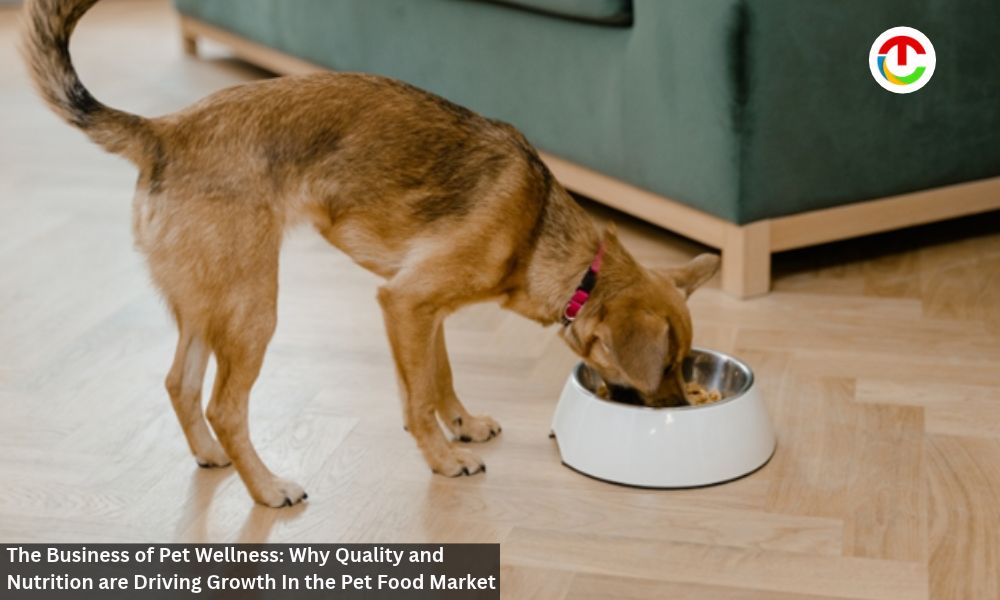
Alt text: Brown Dog Eating Food from a Bowl
Image link: https://www.canva.com/photos/MAEiDimo1vg/
The global pet food industry is undergoing a significant transformation as consumers become increasingly interested in their pets’ health and well-being. Pet owners are paying closer attention to ingredients, nutritional quality, and the long-term benefits of the food they purchase. This shift is creating new opportunities for businesses that prioritize quality, transparency, and innovation.
Pet wellness has evolved from a niche market into an important part of the broader pet care industry. As more households treat pets as family members, demand for premium food products continues to influence purchasing decisions. For manufacturers, retailers, and investors, understanding these changing expectations is essential for remaining competitive.
The Growing Importance of Pet Wellness
Modern pet ownership increasingly emphasizes preventive care, balanced nutrition, and overall quality of life. Consumers want products that support their pets’ health rather than simply satisfy their basic dietary requirements. This approach has encouraged businesses to develop specialized foods, functional treats, and products designed for different life stages.
The growing interest in pet wellness also reflects broader changes in consumer behavior. People who prioritize healthy eating and carefully selected ingredients for themselves often apply similar standards to their pets. Consequently, pet food companies are adapting their product development and marketing strategies to address these expectations.
Why Premium Pet Food Is Gaining Market Share
Premiumization has become an important business strategy within the pet food industry. Rather than competing exclusively on price, manufacturers increasingly differentiate their products through ingredient quality, nutritional formulations, and production methods. This approach lets businesses appeal to consumers willing to pay more for products they perceive as beneficial.
Premium pet food often emphasizes recognizable ingredients, clearly communicated nutritional information, and specialized formulations. Products featuring animal proteins, limited ingredients, or specific dietary benefits can attract customers seeking more personalized feeding options. However, premium positioning alone does not guarantee superior nutrition, making credible product information essential.
For businesses, this trend creates opportunities to develop higher-value products and establish stronger customer relationships. Companies that consistently deliver quality and communicate their benefits effectively may encourage repeat purchases and build lasting brand loyalty.
How Pet Nutrition Is Influencing Consumer Purchasing Decisions?
Nutrition has become a major consideration for consumers evaluating pet food products. Many owners now research protein sources, ingredient lists, and nutritional adequacy before making purchasing decisions. They also consider factors such as their pets’ age, activity levels, and individual dietary requirements.
This increased awareness encourages manufacturers to provide more detailed product information. Clear labeling, accessible nutritional explanations, and transparent ingredient sourcing can help customers make informed choices. Businesses that communicate responsibly can strengthen consumer confidence without relying on exaggerated health claims.
Veterinary guidance also plays an important role in responsible purchasing decisions. Pet owners increasingly recognize that nutritional requirements vary between animals and that dietary choices should reflect individual needs. This creates opportunities for companies to support consumer education alongside product innovation.
The Rise of Freeze-Dried Pet Food
Freeze-drying is one of several processing methods attracting attention within the premium pet food category. The process removes moisture from frozen ingredients under reduced pressure, helping preserve certain characteristics while producing lightweight, shelf-stable products. Manufacturers use this technology to create complete foods, treats, and meal toppers.
From a business perspective, freeze-dried products offer opportunities for differentiation in a competitive market. Their convenience, storage characteristics, and ingredient-focused positioning appeal to consumers interested in alternative feeding formats. However, production costs, food safety controls, and appropriate nutritional formulation remain important considerations.
Specialized businesses are responding with a growing selection of freeze-dried options. For example, pet owners can explore premium dog and cat foods and treats through Fresh Is Best online, reflecting the availability of specialized products within this expanding category.
How E-Commerce Is Changing the Pet Food Industry?
Digital commerce has transformed how consumers discover and purchase pet food. Online retailers allow customers to compare ingredients, research brands, read reviews, and explore specialized products without visiting physical stores. This accessibility creates opportunities for smaller manufacturers to reach audiences beyond their immediate geographic markets.
Subscription services and recurring delivery options are also influencing the industry’s business models. Because pet food represents a regular household purchase, convenient replenishment services can encourage customer retention and predictable revenue. However, businesses must balance delivery costs, competitive pricing, and reliable inventory management to maintain profitability.
Transparency and Quality Control as Competitive Advantages
As consumers become more knowledgeable about pet nutrition, transparency is increasingly important for building trust. Businesses must communicate where ingredients originate, how products are manufactured, and what quality standards they follow. Clear information can help distinguish responsible manufacturers from competitors making unsupported claims.
Quality control also plays an essential role in protecting both animals and brand reputations. Manufacturers must implement appropriate safety procedures, monitor suppliers, and maintain consistent production standards. The U.S. Food and Drug Administration requires animal foods to be safe, produced under sanitary conditions, and accurately labeled.
For companies producing specialized diets, nutritional adequacy is particularly important. Products intended as complete meals must meet appropriate nutritional standards, while treats and toppers generally serve different purposes. The FDA explains that complete and balanced foods must meet recognized nutrient profiles or satisfy established feeding trial requirements.
The Economic Opportunities Within the Pet Wellness Market
The financial scale of the pet industry demonstrates its importance to the broader consumer economy. According to the American Pet Products Association, U.S. pet industry spending reached $158 billion in 2025, with pet food and treats accounting for approximately $68.3 billion. These figures highlight the significant commercial opportunities available to businesses operating within the sector.
Growth also creates opportunities beyond food manufacturing. Ingredient suppliers, packaging companies, logistics providers, technology businesses, and specialized retailers all contribute to the industry’s expanding commercial ecosystem. Innovation across these interconnected sectors can improve efficiency while supporting changing consumer expectations.
However, businesses must recognize that consumers remain sensitive to economic pressures. Even customers interested in premium nutrition may compare prices carefully and prioritize products offering measurable value. Successful companies must therefore combine quality with affordability, convenience, and consistent customer experiences.
The Future of the Global Pet Food Industry
The future of pet food will likely reflect a combination of nutritional innovation, technological development, and evolving consumer expectations. Businesses that invest in research, responsible sourcing, and effective manufacturing processes will be better positioned to respond to changing market demands. Digital distribution and specialized product development may also create opportunities for emerging brands.
Sustainability could become another important consideration as manufacturers evaluate packaging, ingredient sourcing, and resource efficiency. Companies that address environmental concerns without compromising food safety or nutritional quality may strengthen their competitive positioning. However, meaningful progress will require practical improvements rather than unsupported sustainability claims.
Conclusion
The growing focus on pet wellness is reshaping the pet food industry and creating opportunities for manufacturers, retailers, and investors. Quality ingredients, nutritional transparency, and product innovation are becoming increasingly important factors in consumer purchasing decisions. Businesses that understand these priorities can develop stronger customer relationships and differentiate themselves in a competitive marketplace.
As the industry evolves, long-term success will depend on balancing nutritional quality, affordability, and responsible business practices. Companies that consistently deliver value while adapting to changing consumer expectations will be well-positioned to participate in the future growth of the global pet food market.
Also Read :- How to Choose Red Light Therapy for Dogs: FDA Claims, Safety, and Scientific Evidence