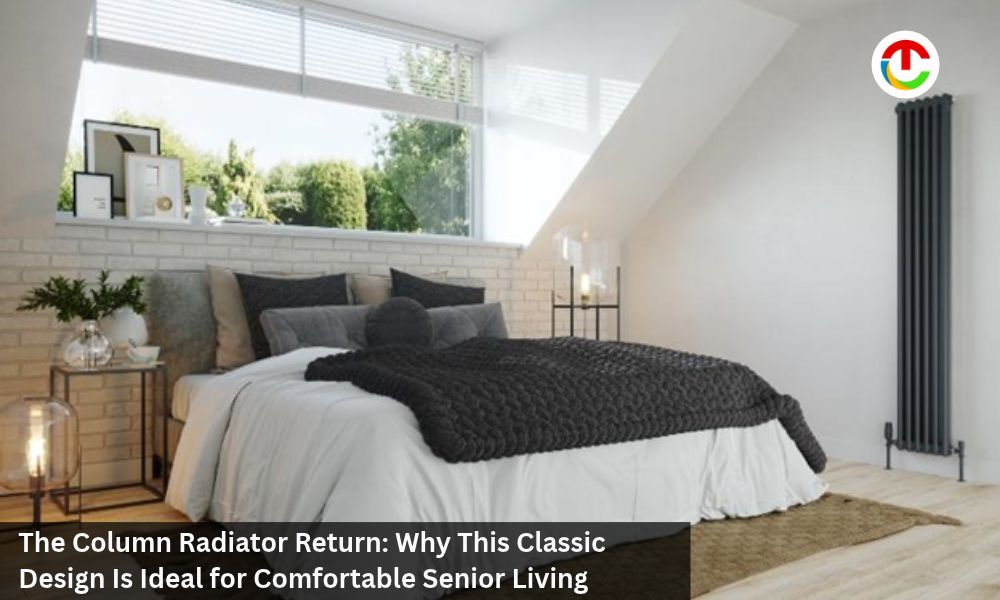
[Image from UK Radiators]
Home renovations aren’t always about following the latest design trends. For many homeowners, particularly older adults planning to age in place, comfort, safety, and practicality matter just as much as appearance.
That helps explain the renewed interest in column radiators. Once commonly found in traditional homes, these familiar heating fixtures are finding their way into modern interiors. Today’s models come in different sizes, colors, and configurations, giving homeowners more flexibility when planning their living spaces.
For seniors who want to remain comfortable in their homes as they grow older, the right heating system can make everyday life easier. However, choosing a radiator involves more than finding a design that looks good.
Why Column Radiators Are Making a Comeback?
Column radiators have a distinctive appearance, with rows of vertical tubes that provide heating surface area. Their traditional design works particularly well in older properties, but modern finishes have made them popular in contemporary renovations, too.
UK Radiators column radiators come in two-, three-, and four-column configurations. Its range includes horizontal and vertical designs in finishes such as white, black, and anthracite.
According to the company, column radiators account for approximately 40% of its sales. Although that figure represents one retailer’s customers rather than the wider market, it suggests that traditional heating designs still have an audience.
The appeal is easy to understand. A horizontal radiator can sit beneath a window, while a vertical model may fit a narrower section of wall. This flexibility is particularly useful when homeowners need to work around existing furniture or plan changes to their living arrangements.
How Column Radiators Can Fit Into Aging-in-Place Plans?
Aging in place means living safely and comfortably at home as personal needs change. For older adults, this often involves making practical adjustments, such as improving lighting, removing tripping hazards, or creating more space for mobility aids.
Heating fixtures deserve similar consideration. A carefully positioned wall-mounted radiator can leave more usable floor space than a portable heater. However, its depth and location still matter, especially when someone uses a walker, cane, or wheelchair.
The Centers for Disease Control and Prevention recommends removing household tripping hazards as part of fall prevention for older adults.
Before installing a column radiator, homeowners should consider the following:
1. Walking Space:
Make sure the radiator doesn’t restrict frequently used pathways.
2. Furniture Placement:
Leave enough room for people to move comfortably around chairs, beds, and tables.
3. Surface Temperature:
Radiators can become hot during operation, creating a burn risk if someone touches or leans against them.
4. Accessibility:
Choose heating controls that are easy to reach, read, and operate.
Radiators should never be used as handrails or supports when standing or walking. For someone with balance difficulties, the positioning of a heating fixture deserves particular attention.
Reliable Heating Matters More as We Age
Cold indoor temperatures can be especially concerning for older adults. Age-related changes and certain medical conditions can make it harder to recognize when the body is becoming dangerously cold.
The National Institute on Aging recommends keeping indoor heating set to at least 68°F to help protect older adults during cold weather. Maintaining a comfortable temperature starts with choosing a heating system that can adequately warm the room.
Column radiators come in different sizes and heat outputs, commonly measured in British thermal units (BTUs) per hour or watts. Larger radiators may provide more heat, but the actual output also depends on the operating temperature and heating system.
UK Radiators publishes heat-output information for its column models and says it independently tests its products to check advertised performance.
For homeowners, the important lesson is to look beyond appearance. A heating professional should assess the room’s size, insulation, windows, and existing system before recommending a radiator. A beautifully designed radiator won’t offer much comfort if it cannot keep the room warm enough.
Modern Heating Controls Offer More Flexibility
Another reason column radiators appeal to modern homeowners is the range of available heating options. Traditional hot-water models work with compatible central heating systems. Electric versions operate independently and may be useful in rooms where extending existing plumbing would be difficult.
Some electric models also offer Wi-Fi controls, allowing users to adjust temperatures through a smartphone. For older adults who are comfortable with technology, these features may make temperature management more convenient. They can also help caregivers monitor or adjust heating arrangements when appropriate and with the older person’s agreement.
However, smart controls aren’t necessarily the best option for everyone. Simple, clearly labeled thermostats may be more practical for individuals who find smartphone applications confusing.
Running costs also deserve attention. Electric resistance radiators are generally efficient at converting electricity into heat, but they may cost more to operate than other heating systems. According to ENERGY STAR, air-source heat pumps can deliver more heat energy than the electricity they consume, making them more energy-efficient than electric resistance heating.
Safety and Maintenance Should Come First
A heating upgrade should make a home more comfortable without introducing unnecessary hazards. This is particularly important when an older resident has limited mobility, reduced sensation, or memory difficulties.
Exposed radiator surfaces can become hot enough to cause burns. Where accidental contact is a concern, homeowners should ask an installer about safer placement, suitable low-surface-temperature products, or manufacturer-approved protective guards.
A few additional precautions can help:
- Keep furniture, bedding, and other materials away from hot surfaces, following the manufacturer’s instructions.
- Arrange regular inspections for leaks, damaged valves, and other problems.
- Make sure controls remain accessible without excessive bending or reaching.
- Have a qualified professional check that the radiator and its wall fixings are securely installed.
Caregivers supporting someone with Alzheimer’s disease or another form of dementia should also consider whether exposed hot surfaces and heating controls create additional risks.
Choosing Comfort That Lasts
Column radiators have returned to modern interiors because they offer homeowners a familiar design with more choices in size, finish, and heating technology.
For older adults planning to remain in their homes, those choices can be useful. A well-positioned radiator may fit into a more accessible room layout, while suitable controls can make day-to-day heating easier to manage.
Still, appearance should never take priority over safety or performance. The best heating upgrade keeps the home comfortably warm, accommodates changing mobility needs, and remains practical to use for years to come.
Also Read :- How Custom Kitchen Design Is Influencing Luxury Real Estate Trends Around The World