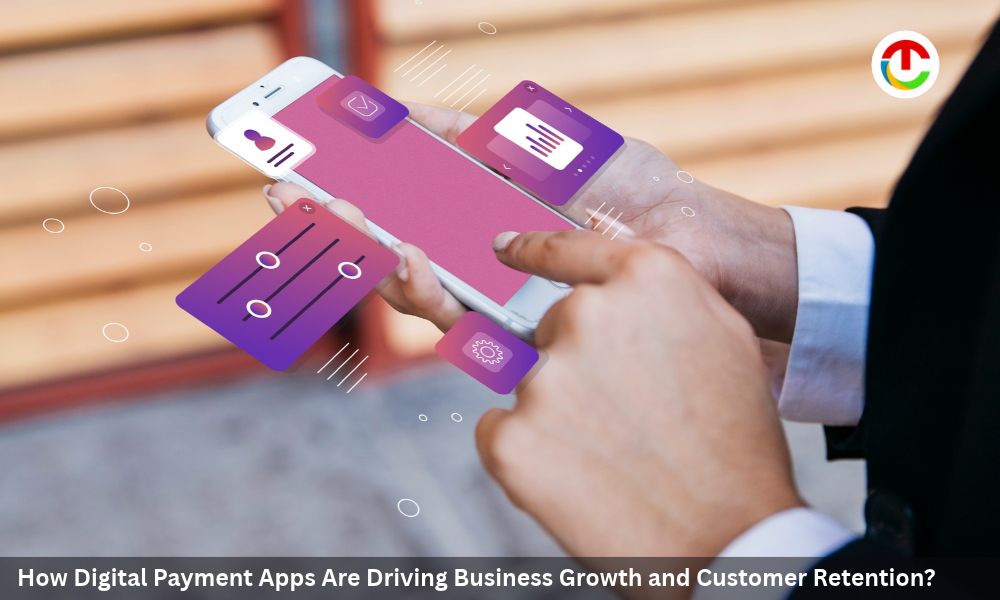
As an increasing number of customers prefer to embrace digital modes of payment like cards, and e-wallets, the role of digital payment apps is evolving. Apart from simply replacing cash, payment apps are making transactions quick, secure and effortless for modern-day customers.
Electronic payment apps, by connecting directly to customers’ bank accounts, scanning QR codes and enabling money transfers, help them pay bills in seconds. This leads to hassle-free payments. A faster, seamless and secure transaction helps in building trust and thereby boosts customer retention significantly.
A loyal, trustworthy customer is more likely to repeat purchases. This helps in boosting sales as well as overall business growth. By offering rapid, cashless checkouts and expanding customer reach, electronic payment apps contribute to business expansion. An important study by Capital One Shopping suggests that Digital wallet usage is projected to reach 5.2 billion consumers worldwide in 2026, up from 4.5 billion in 2025. Therefore, organizations are viewing electronic payment apps as an enabler of sustainable business growth and customer retention, not just a medium to transfer cash.
Digital Payment Apps: A Strategic Tool for Customer Retention
By removing checkout friction and rewarding repeat transactions, mobile payment apps build customer trust.
1. Faster, Frictionless Checkout:
One-tap checkouts, saved payment details, QR codes, and pay-by-link options cut wait times and reduce cart abandonment. When the payment procedure takes seconds instead of minutes, customers feel less frustrated and are more likely to buy from the same business again.
2. Rewards and Loyalty:
Tiered perks, cashback, loyalty points, and gamified offers turn routine payments or bills into repeat habits without needing separate loyalty cards.
3. Enhanced Security and Trust:
Digital payment appsprotect user data through tokenization, biometric authentication, and instant confirmations. This enables transparency and thereby reassures customers during transactions.
4. Personalized Offers:
App insights and transaction data help businesses spot buying habits and send relevant promotions or nudges.
5. Post-Purchase Support:
Reliable payment processing, 24/7 availability, and high-speed refunds reduce frustration and keep customers coming back.
Digital Payment Apps: Accelerator of Business Growth
Businesses witness considerable growth as
mobile payment apps speed up checkouts, expand remote sales and improve cash-flow visibility.
1.Boosted Sales and Faster Checkouts
As customers buy via QR codes, cards, or wallets, they can carry little or no cash. Without physical cash limits or change worries, buyers often spend more per visit, lifting average ticket sizes. Compared to slow or complex checkout steps, speedy, familiar one-tap or QR flows reduce drop-offs. Also, tap-to-pay and wallet checkouts process in seconds without counting notes or hunting for exact change. Quicker billing cuts wait times at counters and improves customer satisfaction.
2. Remote Selling and Wider Reach
Customers can pay from anywhere in the country in seconds, as sellers can generate a custom payment link or share a static/dynamic QR code directly over WhatsApp, Instagram, or SMS. Also, local service providers can take orders via social media DMs and close the sale immediately without setting up expensive online storefronts. As digital payment apps support automated recurring payments and advance deposits, this makes it easier to sell subscriptions, coaching, or custom-made goods remotely. Often, return-to-Origin (RTO) losses hurt profit margins in remote selling. But collecting digital payments upfront significantly reduces such losses and boosts profitability.
Digital payments let businesses fulfil orders across cities and states via courier partners. Also, many apps and payment gateways and apps allow businesses to accept foreign currencies, opening up global markets for freelancers, exporters, and digital creators.
3. Better Operational Efficiency
Digitalization reduces time spent counting cash, making bank deposits, and managing cash storage or security. Time saved in cash handling and reconciliation enhances operational efficiency for small businesses. Records and payment dashboards help teams monitor collections, track sales or inventory, and spot payment issues quickly. In this way, fewer manual steps, faster receivables, and less physical cash handling help businesses trim administrative and processing costs.
4. Clearer Cash Flow and Faster Settlement
Rather than waiting for end-of-month bank statements, businesses can monitor daily inflows and outflows as every transaction is logged immediately on a central dashboard. An organized transaction history helps businesses to spot seasonal trends and predict future cash reserves using real data instead of rough estimates. Predictable cash in hand enables paying vendors on time or early. This helps in negotiating bulk discounts and better credit terms. As digital payment apps automatically match incoming payments to digital invoices and orders, this enhances tax compliance.
Faster receiving of money shrinks accounts receivable balances. This means the capital isn’t trapped in unpaid invoices. Also, excluding physical cash removes the time and cost spent counting registers, managing change, making bank trips, and guarding against counterfeit notes. Instant liquidity allows businesses to restock inventory, launch marketing campaigns, or upgrade equipment right away without relying on expensive short-term loans.
5. Easier Access to Credit
Rather than relying solely on physical collateral or audited statements, banks and lending partners assess real-time inflows to offer working capital, micro-loans, and credit lines. This helps businesses expand inventory, reach more customers, and operate more efficiently.
Many times, small or micro-merchants without formal credit histories or audited books often face credit constraints. The World Bank Study of 2026 suggests that across 101 economies, firms receiving electronic payments are 3 percentage points less likely to be fully credit constrained, with the largest gains for smaller and younger firms.
6. Customer Payment Preferences in Digital Payment Apps
Fast, convenient, and secure payment apps are preferred by new-age customers.
Preferred Payment Methods
1. Digital Wallets & Cards:
Utilized for online/contactless checkout, rewards, and split or deferred payments.
2. Internet & Mobile Banking:
Adopted by some users for direct bank transfers and higher-value transactions.
How to Turn Digital Payment Apps in Revenue Streams?
By treating payments as a user acquisition hook and monetising through credit and lending, electronic payment apps turn transaction volume into revenue.
a. Credit and Lending Cross-Selling:
Utilize spending and transaction history to underwrite and offer personal loans, buy-now-pay-later (BNPL), credit lines, or credit-card-linked features.
b. Merchant Hardware & SaaS:
Charge subscription fees or recurring rental fees for payment devices such as soundboxes or POS terminals and use those merchant relationships to sell working capital, insurance, or cash-management tools.
C. Advertising & Offers:
Through sponsored placements, targeted ads, and brand coupon drops based on user engagement and consent-led insights, monetize high-frequency app traffic.
Conclusion
As consumers increasingly demand personalized experiences, the payments landscape is shifting rapidly. Advances such as agentic commerce, AI-driven fraud defense, embedded finance, and tap-and-pay/tokenization are reshaping digital payment apps. They are playing a key role in shifting transactions from manual, single-purpose checkouts to automated, integrated, and high-security experiences. As these apps are built on a secure environment to deliver seamless payments and embedded value across every channel, they are considered a catalyst for customer loyalty and organizational growth.
Also Read :- Why Digital Payments Are Becoming a Critical Driver of Enterprise Growth and Scalability?