Source: Pexels
The call usually comes within a day or two of the wreck. The voice on the line sounds warm, asks how you feel, and promises to get things squared away fast. For someone who still finds bits of glass in the floorboards and wakes up with a stiff neck, that attention comes as a relief.
What the caller leaves out is that the adjuster works for a company whose profits rise each time a claim closes cheap. In a single recent year, 244,534 people were hurt in crashes on Texas roads, and behind most of those injuries sat an Insurance Companies claim and an adjuster with that exact job.
The rules of that game are rarely explained to the person who needs them most Insurance Companies .
The Friendly Adjuster Is Not On Your Side
Ask any car accident lawyer in Houston about the first week after a wreck, and the story tends to circle back to that phone call. If the other driver caused the crash, his insurer owes its loyalty to him and to its own balance sheet.
You have no contract with that company, so it has no duty to look out for you, and every word you say goes into a file built to value your claim as low as possible.
The request for a recorded statement is where most people slip. The adjuster will frame it as routine, but you have no obligation to give one to the other driver’s carrier.
A casual “I’m fine” or “I didn’t see him until the last second” can resurface months later as proof that your injuries were minor or that you shared the blame. That second point stings in Texas, since state law bars recovery for anyone a jury finds mostly at fault.
Politely decline the statement, give only your name, contact details, and Insurance Companies information, and put everything else in writing.
The First Number Is A Test
Insurance Companies Early settlement checks arrive fast for a reason. Once you sign a release and cash the check, the claim is closed for good, even if an MRI weeks later reveals a herniated disc that the ER missed. Adrenaline hides a lot of pain in the first few days.
Treat the opening figure as the start of a negotiation. Wait until your doctor can describe your recovery and any future treatment, then add up medical bills, lost pay, mileage to appointments, and the days you could not lift your kid or sleep through the night.
A counteroffer backed by records carries far more weight than a complaint that the check feels small.
Your Own Policy May Hold Money You Forgot About
Many Texas drivers carry Personal Injury Protection and never know it, because insurers must include it in every auto policy unless the policyholder rejects it in writing. PIP pays medical bills and a portion of lost wages no matter who caused the crash.
Uninsured and underinsured motorist coverage works the same way. Plenty of drivers on Texas highways carry bare minimum limits or no Insurance Companies at all, and if the person who hit you has too little to cover a serious injury, your own coverage can fill the gap.
Pull your declarations page the day after the crash and read it line by line, since the adjuster from the other company has no reason to point you toward money your own carrier owes.
Your Car Lost Value Even After the Repair
Source: Pexels
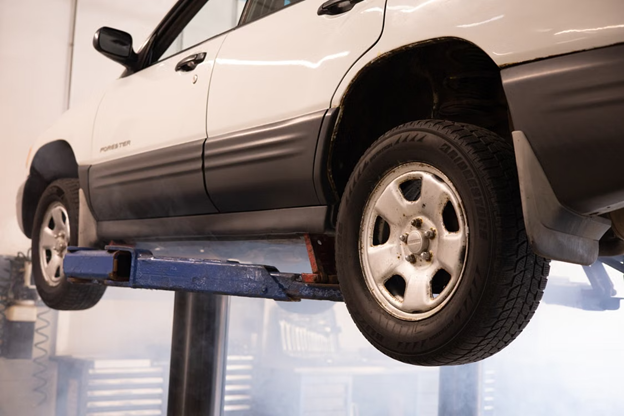
A vehicle with a crash on its history report sells for less, even after a flawless repair. Texas lets you recover that loss, known as diminished value, from the at-fault driver’s insurer, though your own policy usually will not pay it. Request it in writing and back it with an appraisal from an independent dealer or appraiser.
You also have the right to choose your own body shop. An insurer may steer you toward a “preferred” shop, but Texas law forbids it to require one. Some network shops lean on aftermarket or salvaged parts to keep costs down, so ask the shop you pick to list in writing which parts it plans to use.
Slow Replies Are Part of the Strategy
Delays tend to favor the company. Bills pile up, the rental car coverage runs out, and a tired claimant starts to see a low check as the fastest way out.
Keep a simple log of every call, with the date, the name of the person you spoke with, and what was promised. Follow each call with a short email that confirms the conversation.
Watch your social media as well. A photo from a backyard barbecue can turn up in a claim file as evidence that you are not really hurt. The safest course is to post nothing about the crash, your injuries, or your weekends until the claim closes.
Last, keep the calendar in mind. Texas sets a firm deadline to file an injury lawsuit, and once it passes, the insurer has no reason to negotiate at all.
Adjusters know exactly when your window closes, and some will stretch talks right up to the edge of it. Learn that date yourself, and do not let a string of polite phone calls run out the clock.
Also Read :- The Difference Between Driving Uninsured and Failing to Show Proof of Coverage