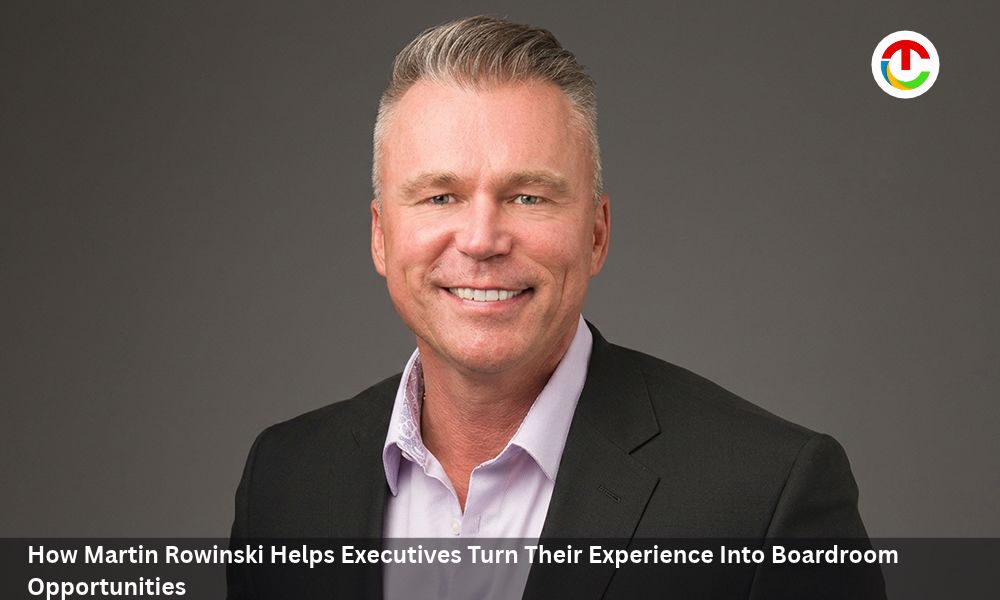
Martin Rowinski, CEO of Boardsi, has highlighted that reaching the boardroom requires a different approach to career development.
For experienced professionals, joining a board of directors is an opportunity to contribute strategic knowledge, guide business decisions and help organizations prepare for future challenges.
But a successful executive career does not guarantee board readiness. Professionals must understand how their experience relates to corporate governance, communicate the value they can bring to an organization and establish visibility among the people responsible for board appointments.
Why Executive Experience Alone Does Not Guarantee a Board Seat?
Senior executives develop their expertise over decades. They lead departments, manage financial responsibilities, oversee organizational changes and make decisions that affect practically everyone involved in the company.
But many of them discover that their accomplishments do not automatically attract board invitations. A huge reason is that board recruitment involves a different set of considerations from traditional executive hiring.
These are the board members companies seek: executives who can contribute to long-term strategy, provide independent judgment, understand governance responsibilities and identify potential risks.
Executives must move beyond listing previous positions and responsibilities. They should explain how their decisions, expertise and leadership experience helped organizations address their specific challenges.
Turning Professional Achievements Into Boardroom Value
Here is the most important step toward securing a board position: translating career achievements into strategic contributions.
While a conventional executive resume generally focuses on career progression, a board-focused profile needs perspective. It should demonstrate how an individual’s experience supports long-term planning and informed decision-making.
Martin Rowinski encourages executives to identify their contributions in these spheres before pursuing board opportunities through these questions:
- Strategic expertise: Which major business decisions have shaped your career, and what did those experiences teach you?
- Organizational impact: How have your contributions influenced financial performance, operational efficiency, company culture or long-term growth?
- Governance relevance: How could your knowledge help a board oversee risks, evaluate strategy or make better decisions?
Martin Rowinski on the Importance of Executive Branding
Professional visibility plays a very important role in board recruitment. When expertise is hard to identify, boards can overlook highly experienced executives.
That is why Martin Rowinski treats executive branding as key. His work through Boardsi deals with professional positioning and how it must communicate more than career history.
An effective executive brand establishes what a leader understands, what they stand for and the perspective they bring to business challenges.
LinkedIn can be an important part of this process. Executives should ensure that their profiles communicate their current expertise and future board interests.
Professionals should also have an effective Unique Value Proposition (UVP) that communicates their contributions in a few lines.
Thought leadership can strengthen positioning as well. Publish informed perspectives, participate in industry discussions, speak at professional events and contribute to leadership conversations.
Furthermore, professional identity should be consistent across all platforms. It makes it easier for decision-makers to understand a candidate’s capabilities.
Preparing for Board Opportunities Through Education and Governance Knowledge
Board members have responsibilities different from those of operational executives. Their role requires an understanding of legal and ethical responsibilities.
Executives should therefore invest time in learning how boards operate.
Understand directors’ responsibilities and board structures, develop the ability to interpret financial statements and recognize operational, regulatory and reputational risks that may affect an organization.
Building the Right Connections and Finding Relevant Opportunities
Networking is an important part of the process. Executives should focus on developing relationships within industries and professional communities. Conversations with investors, founders, business owners and existing board members provide insight into organizational needs and potential opportunities.
Through Boardsi, Martin Rowinski has helped connect more than 24,000 executives with board opportunities. Boardsi indicates that many successful placements take between six and twelve months, depending on an executive’s engagement and alignment with available opportunities.
Martin Rowinski’s Vision for the Future of Executive Leadership
Professional seniority alone will not take a professional to board service from executive leadership. They should understand how experience translates into organizational value, and be able to communicate that value to decision-makers.
Martin Rowinski’s work shows how structured board preparation, executive branding and technology-supported connections are important in the board recruitment process. According to him, experienced professionals should view their careers more broadly and consider how their knowledge can contribute to organizations beyond their current roles.
A very simple process to undergo this transition is to start with a careful assessment of experience, then identify the strategic insight one can offer, strengthen understanding of governance and develop a professional identity that communicates boardroom potential. With preparation, professional visibility and the right connections, executives can transition from leading businesses to helping guide their future.
Executives interested in exploring board opportunities and strengthening their professional positioning can learn more by connecting with Martin Rowinski on LinkedIn.