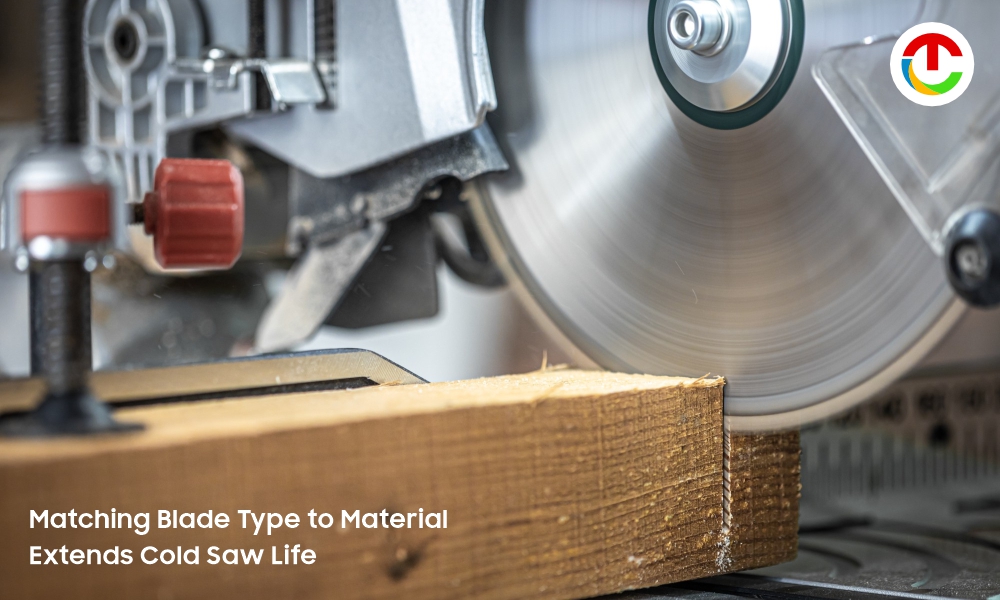
Sharp cuts from a cold saw can last for years with proper maintenance, but there are other factors to consider as well. The material being cut shapes heat, chip load, tooth wear, cutting speed, and surface quality. Matching blade type to steel, stainless steel, aluminum, or brass helps each tooth work within its proper range.
This choice lowers friction, limits premature damage, and supports consistent production without sacrificing cut quality or operator control during demanding daily shop schedules.
Blade selection begins with material and machine data. Carbon steel and structural tubing need tooth geometry for harder stock and recurring heat. Aluminum and copper alloys generally suit carbide teeth and higher spindle speeds.
A premium cold saw blade supplier can help match diameter, tooth count, bore, thickness, and pinhole pattern to the saw. That check reduces vibration, mounting errors, and guesswork.
Why Material Changes Blade Wear?
Cutting nonferrous alloys is easier than cutting ferrous stock. High-speed steel blades suit many steel applications because their teeth tolerate repeated contact and controlled heat. Coated options can improve service life during production runs involving tube, solids, or heavier wall sections.
Stainless steel requires careful control because it can harden under excessive rubbing. A dull edge or incorrect feed may create more heat, causing the surface to become harder before the next tooth engages. Proper lubrication, steady pressure, and a sharp blade help prevent this cycle.
Aluminum produces long, sticky chips that can load tooth spaces. Carbide-tipped blades with suitable rake and clearance angles remove those chips more effectively. A blade intended for aluminum should also match the saw’s higher rotational speed. Running an unsuitable ferrous blade at that rate can damage teeth rapidly.
Tooth Count Controls Chip Load
Tooth count affects how much material each tooth removes. A blade with too few teeth may produce a rough cut, increase vibration, and overload individual edges. One with too many teeth can restrict chip space, especially in thick sections, and create rubbing instead of efficient cutting.
A thin-wall tube usually benefits from more teeth because several edges remain engaged around the profile. Heavy solids and thick-wall sections often need fewer teeth, giving chips enough room to clear. The correct pitch also depends on bundle cutting, since multiple pieces increase the total contact area.
While setting up, operators should check the chip shape and cut face. Fine, consistent chips suggest a balanced tooth load. Powdery debris can indicate rubbing, while large, curled chips may signal excessive feed or an overly coarse pitch.
Speed and Feed Must Agree
An aspect of the cutting equation is the material of the blade, while another aspect is the diameter and tooth design. Ferrous cold saw blades commonly run at lower speeds than carbide blades used for nonferrous metals. The machine manual should guide the initial setting, followed by careful adjustment based on sound, chips, and cut finish.
Excessive speed raises heat and may soften high-speed steel edges. Too little feed allows teeth to polish the surface, wasting time and accelerating wear. A steady feed keeps each tooth cutting instead of striking intermittently.
Workholding also affects blade life. Secure clamping prevents the stock from shifting, which reduces tooth impact and protects the blade body. Long pieces need adequate support on both sides of the cut.
Blade Thickness Supports Stability
Thickness influences stiffness, kerf width, and resistance to deflection. A thinner blade may reduce material waste, but it needs stable workholding and accurate alignment. A thicker blade offers greater support for demanding cuts, although it removes more material and may require additional power.
The bore and pin-hole layout must match the arbor precisely. Even a correct tooth design cannot perform well on a blade that sits unevenly. Before installation, the arbor faces should be clean, and the blade should seat flat without forced movement.
Maintenance Preserves Cutting Life
Regular inspection helps identify wear before it affects production. Dull teeth, chipped carbide, discoloration, and uneven kerf marks each point to a different problem. Excessive heat may indicate incorrect speed, insufficient coolant, poor chip clearance, or a blade that no longer suits the material.
Sharpening can restore a suitable Matching Blade Type when tooth damage remains manageable. A consistent sharpening service preserves tooth geometry and reduces the variation caused by uneven manual work. Blades should be cleaned before storage, protected from impact, and labeled by material and pitch.
Match the Full Cutting System
Matching Blade choice works best as part of a complete setup. Material grade, section shape, wall thickness, machine speed, feed pressure, coolant, and clamping all affect results. Changing one factor may require adjustments elsewhere.
Operators can gain valuable production data by keeping a simple record of the blade type, settings, cut count, and observed wear. Over time, those records reveal which combinations deliver longer service and cleaner finishes. This evidence also helps prevent repeated trial and error.
Conclusion
Matching Blade a cold saw blade to the material reduces heat, controls chip load, and keeps cutting forces within a manageable range. Tooth count, blade thickness, rotational speed, feed pressure, coolant, and workholding must support that choice. Ferrous and nonferrous applications require different blade properties, so one general-purpose option cannot serve every job equally well.
With accurate specifications, regular inspection, and timely sharpening, shops can extend blade life while maintaining predictable cut quality and efficient production.
Also Read :- Concrete Screws vs. Anchors: A Practical Guide for Masonry Fastening That Holds