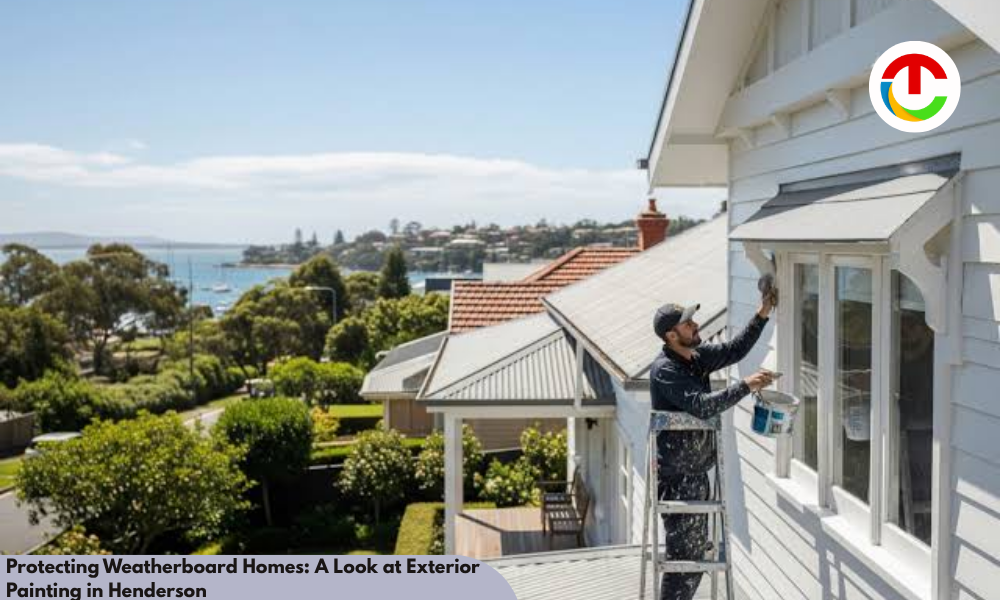
Henderson has many weatherboard homes, and their charm depends on steady exterior care. Timber cladding moves with heat, rain, and humidity, so paint does more than improve street appeal. It forms a protective skin that slows moisture entry, limits ultraviolet damage, and helps boards last longer. A well-planned exterior paint job can also reveal hidden faults before they turn into costly repairs for owners in Auckland’s western suburbs each season.
Why Weatherboard Homes Need Extra Care?
Before any coating is chosen, the house needs a close inspection of cladding, joints, corners, sills, and exposed end grain. Skilled exterior painters in Henderson can assess these pressure points, explain where sanding or filling is needed, and help owners select paint systems suited to Henderson’s rainfall, sun, and coastal air carried across west Auckland.
Weatherboards are usually painted in overlapping rows, which creates many edges and shadow lines. These areas collect dust, hold moisture, and wear faster than broad flat surfaces. If paint cracks along laps or around nail heads, water can enter the timber. Over time, that may cause swelling, cupping, soft spots, or peeling around nearby boards.
Henderson Conditions That Affect Paint
Henderson’s climate brings frequent rain, damp mornings, and strong summer sun. This mix creates expansion and contraction in timber. Paint must remain flexible enough to move with the boards, yet firm enough to block water and resist chalking.
Shade also matters. South-facing walls often dry slowly after rain, while west-facing elevations receive harsher afternoon sunlight. A home may look sound from the street, yet one side may need extra preparation or a different coating build. Good planning accounts for each elevation instead of treating every wall the same.
Preparation Makes the Finish Last
Paint failure often starts before the topcoat goes on. Loose paint, glossy old coatings, dirt, mould, and salt residue all reduce adhesion. Weatherboard homes need washing, scraping, sanding, spot priming, and gap treatment before colour work can begin.
Bare timber should be primed promptly after sanding. Exposed end grain needs close attention because it absorbs water quickly. Open joints may need flexible sealant, but blocked drainage gaps can trap moisture. The aim is to seal vulnerable points while still allowing the cladding system to breathe as intended.
Choosing Paint for Timber Cladding For Weatherboard Homes
Exterior acrylic paints are common for timber weatherboards because they offer flexibility and water resistance. The correct system depends on the age of the boards, the condition of previous coatings, and how much sun each wall receives.
Colour choice also affects performance. Dark shades can heat timber more than lighter colours, which may increase movement and stress on older boards. That does not rule out deeper tones, but it makes product selection and surface preparation more important. Owners should also consider how colour looks in Henderson’s changeable light, as damp days and bright afternoons can alter its appearance.
1. Signs a Repaint Is Due
A home may need exterior painting if paint is flaking, cracking, fading, or chalking. Other warning signs include swollen boards, dark staining under laps, exposed timber, or gaps around window trims. Peeling near gutters can point to overflow issues, so the cause should be fixed before painting starts.
Waiting too long can turn a coating job into a repair project. Once moisture reaches timber, preparation takes longer, and replacement boards may be required. Regular checks every year help owners plan repainting before damage spreads.
2. Timing and Maintenance
Dry weather is essential for exterior painting. Surfaces need enough time to dry after washing and between coats. Painting over damp timber can trap moisture, which raises the risk of blistering or early failure.
After the job is complete, simple maintenance protects the finish. Washing the walls once or twice a year removes grime, mould spores, and airborne residue. Gutters should be kept clear, plants trimmed away from cladding, and small cracks touched up before water finds a path behind the coating.
Conclusion
Weatherboard homes reward owners who treat exterior paint as maintenance, not decoration alone. In Henderson, moisture, sun, and movement place steady strain on timber cladding. Careful inspection, sound preparation, suitable coatings, and regular checks all extend the life of the finish. With a planned cycle, a home keeps its character, resists decay, and avoids many expensive repairs. That approach protects value while keeping the original boards visible and sound for future repainting.
Also Read :- What Makes a Great Painter in Lower Hutt? Here’s What to Look For