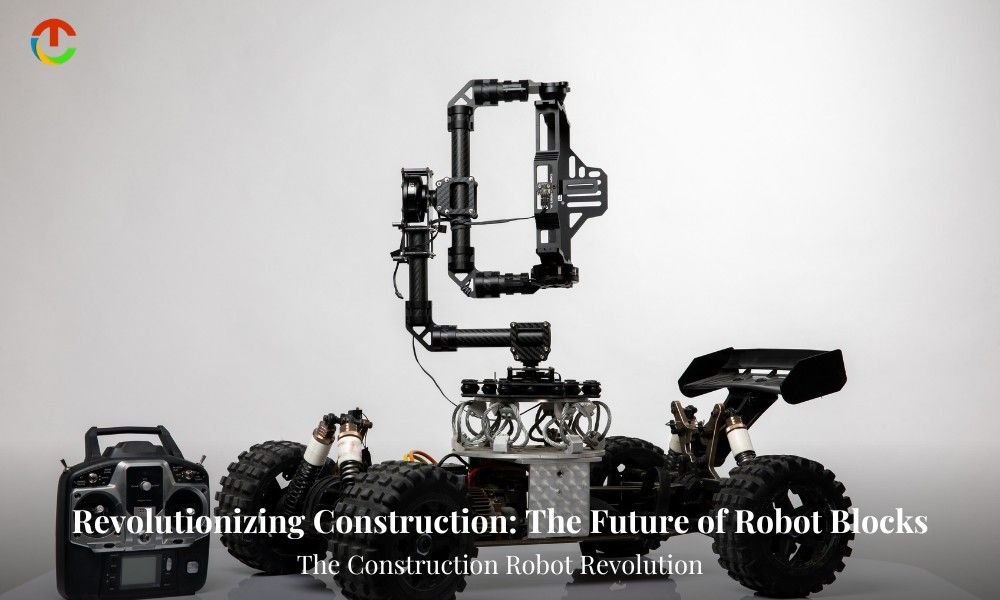
The Construction Robot Revolution
A revolution in construction is being ushered in with the introduction of robotic construction systems. Robots can assemble modular components with unparalleled speed and accuracy by automating labor-intensive and repetitive processes. This strategy minimizes human mistake, minimizes material waste, and maximizes on-site safety in contrast to conventional approaches.
According to studies, using robotics into construction can increase productivity by as much as 50%, especially for large-scale infrastructure projects, prefabricated buildings, and high-rise buildings. Businesses at the forefront of this technology point out that the robot revolution article highlights a paradigm shift in construction management in addition to efficiency.
How the Industry Is Changing Due to Robot Blocks
These advancements, which range from robotic bricklaying to automated wall assembly, are lowering reliance on human labor while maintaining constant quality. For developers, this means reduced expenses, increased sustainability, and quicker project completion. Long-term urban planning initiatives are supported by modular architecture, which also makes building upkeep and renovations easier.
Automation and Sustainability
Robotic assembly may be essential to reaching carbon reduction targets as cities work toward more environmentally friendly infrastructure. The building industry is undergoing a transition that is in line with international sustainability goals by combining precise engineering with intelligent resource management.