Fuel distribution plays a crucial role in supporting various industries, including transportation, manufacturing, agriculture, and construction. The efficient supply of fuel ensures that operations continue without interruption, making the role of commercial fuel distributors indispensable in today’s market. This article explores the functions, significance, and challenges faced by commercial fuel distributors, underlining their importance for businesses and the broader economy.
What Are Commercial Fuel Distributors?
Commercial fuel distributors are companies that specialise in the storage, transportation, and supply of fuel products to commercial clients. These distributors manage the logistics of delivering petroleum products such as diesel, petrol, heating oil, and biofuels to businesses that require large quantities of fuel for their operations. Their activities ensure timely and reliable fuel availability, which is vital for uninterrupted business function.
Key Responsibilities of Commercial Fuel Distributors
Commercial fuel distributors serve as intermediaries between fuel producers or refineries and end-user businesses. Their responsibilities include:
1. Procurement
Distributors purchase fuel from refineries or major wholesalers, ensuring competitive pricing and product availability. They often negotiate contracts that secure favourable terms for their clients.
2. Storage
Maintaining adequate fuel storage facilities is essential to supply fluctuating demand. These facilities must meet strict safety and environmental regulations to prevent spills, leaks, or contamination.
3. Delivery and Logistics
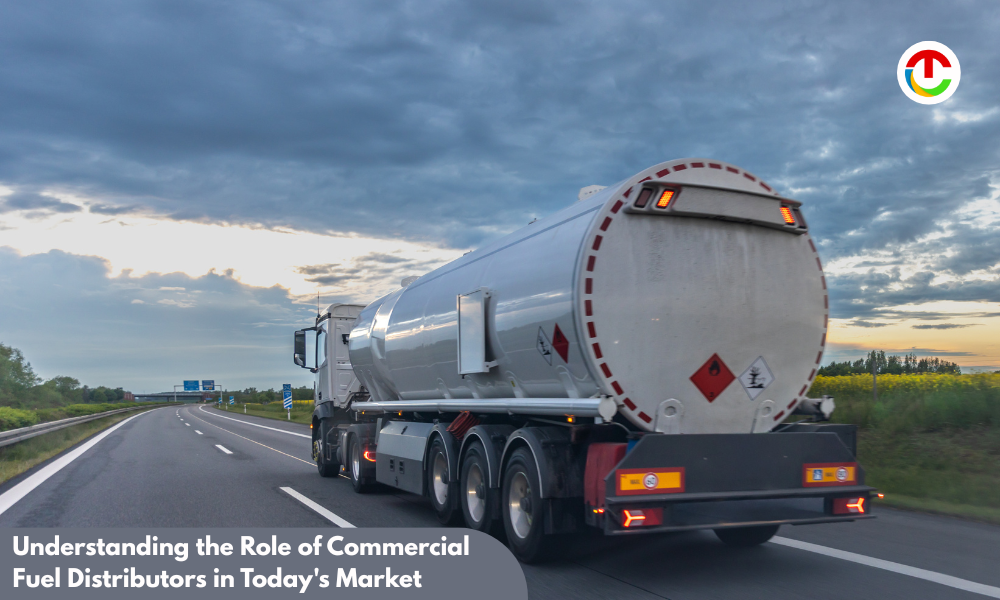
Commercial fuel distributors coordinate the transportation of fuel via tanker trucks or pipelines. Timely delivery reduces downtime for their clients and maintains efficient operations.
4. Compliance and Safety
Adherence to fuel handling regulations and safety standards is a critical duty. Distributors must ensure all activities comply with national and local laws concerning fuel storage, transportation, and environmental impact.
The Importance of Commercial Fuel Distributors in the Market
Fuel is a fundamental input for many sectors. Commercial fuel distributors provide the essential link that keeps these sectors operational. Their significance extends across several areas:
1 .Supporting Business Continuity
Businesses that depend on machinery, vehicles, or heating systems require a consistent fuel supply. Distributors mitigate risks related to fuel shortages by maintaining inventory and managing supply chains efficiently.
2. Cost Management
By purchasing fuel in bulk and negotiating supplier contracts, commercial fuel distributors can offer competitive pricing to their customers, helping businesses control operational costs.
3. Specialised Services
Distributors may provide tailored services such as fuel management systems, on-site storage solutions, and emergency supply options, enhancing the convenience and efficiency for commercial clients.
Challenges Facing Commercial Fuel Distributors
The fuel distribution sector encounters several challenges stemming from market dynamics, regulatory requirements, and environmental concerns. These challenges impact operations and necessitate strategic adaptations.
1. Regulatory Compliance
Commercial fuel distributors must comply with complex regulations governing fuel quality, storage, handling, transportation, and environmental protection. These laws can vary by region and evolve over time, requiring ongoing vigilance and investment.
2. Environmental Concerns and Sustainability
The sector is under increasing pressure to reduce its carbon footprint and support sustainable energy initiatives. Some distributors are incorporating biofuels and adopting cleaner technologies in their fleets and infrastructure to address these concerns.
3. Volatility in Fuel Prices
Global fuel price fluctuations directly affect the cost to distributors and, consequently, their customers. Managing price volatility requires effective purchasing strategies and risk mitigation to maintain financial stability.
4. Infrastructure Challenges
Maintaining and upgrading storage and transportation infrastructure is capital intensive. Distributors must ensure their facilities meet safety standards and are capable of handling modern fuels and additives.
Impact of Technology on Fuel Distribution
Advancements in technology have transformed fuel distribution practices, improving efficiency, safety, and customer service.
1. Fuel Management Systems
Digital fuel management systems enable distributors and clients to monitor fuel usage, automate deliveries, and optimise inventory levels. This enhances transparency and operational control.
2. Fleet Tracking and Routing
GPS technology ensures precise tracking of fuel delivery vehicles, allowing optimised routing, improved safety, and timely deliveries. This reduces logistical costs and enhances reliability.
3. Data Analytics
Data-driven insights help commercial’s fuel distributors forecast demand, manage supply chain risks, and tailor services to customer needs.
Future Outlook for Commercial Fuel Distributors
The ongoing transition towards renewable energy sources and stricter environmental policies is reshaping the fuel distribution landscape. While traditional fuels remain dominant, distributors are increasingly exploring alternative fuels and sustainable delivery methods.
1. Integration of Renewable Fuels
Fuel distributors are beginning to offer biodiesel, ethanol blends, and other biofuels to meet client demands for sustainable options.
2. Investment in Green Infrastructure
Facilities and fleets are being upgraded to reduce emissions, improve energy efficiency, and comply with evolving regulations.
3. Strategic Partnerships
Collaborations with energy companies, technology providers, and clients are enhancing service offerings and ensuring competitiveness in a changing market.
Conclusion
In summary, commercial’sfuel distributors play an essential role in the functioning of diverse industries by ensuring consistent, safe, and efficient fuel supply. Despite challenges such as regulatory pressures and market volatility, the sector is adapting through technology adoption and sustainability efforts. Businesses that rely on fuel must engage with reputable distributors capable of addressing these complexities to maintain their operations and navigate future energy transitions effectively.
Also Read :- Dachser Strengthens European Logistics Network with Major Expansion in Memmingen