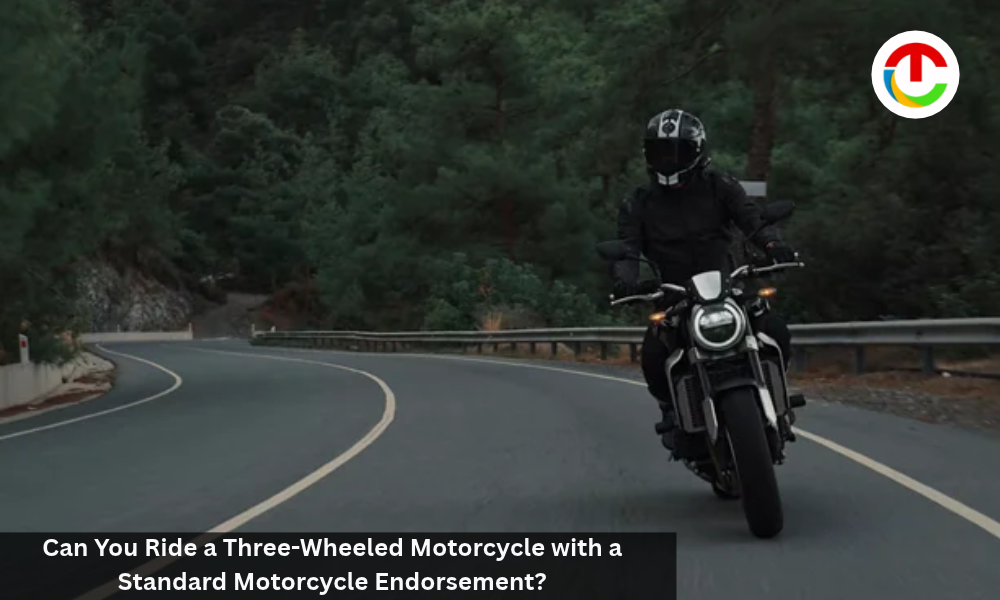
In many states, a standard motorcycle endorsement allows you to ride a three-wheeled motorcycle, but the exact requirements depend on state licensing laws and the type of vehicle.
Some states distinguish between two-wheeled and three-wheeled motorcycles, while others require a separate endorsement or impose restrictions based on the motorcycle used during the licensing test.
Motorcycle licensing rules differ across the United States, particularly when it comes to vehicles with three wheels. Some three-wheeled vehicles operate similarly to traditional motorcycles, while others have steering wheels and enclosed seating areas. Understanding how your state classifies these vehicles is important before relying on an existing motorcycle license to operate one legally.
This article explains how state licensing rules, vehicle classifications, and testing requirements affect your ability to ride a three-wheeled motorcycle legally.
Standard Motorcycle Endorsements May Cover Three-Wheeled Vehicles
A standard motorcycle endorsement generally authorizes a qualified rider to operate motorcycles within the categories recognized by their state.
In many jurisdictions, riders who complete the required testing on a two-wheeled motorcycle receive broader motorcycle privileges that include certain three-wheeled models.
However, licensing rules are not identical everywhere. Some states issue separate three-wheel motorcycle endorsements, while others place restrictions on riders who complete their skills examination using a three-wheeled vehicle.
These restrictions can affect whether someone is permitted to operate a traditional two-wheeled motorcycle later. Before purchasing or renting a three-wheeled motorcycle, check the licensing classification and any restrictions printed on your driving credentials.
Three-Wheeled Motorcycles and Autocycles Have Different Rules
Not every vehicle with three wheels falls into the same legal category.
Traditional three-wheeled motorcycles generally use motorcycle-style controls, including handlebars and a straddle seat. Other vehicles, commonly called autocycles, may have steering wheels, seat belts, and seating arrangements similar to passenger cars.
These design differences can affect licensing requirements.
For example, California Vehicle Code § 12804.9 establishes driver’s license classifications, including motorcycle-related licensing provisions. California’s licensing rules distinguish certain three-wheeled vehicles from conventional motorcycles for licensing purposes.
Other states may allow some autocycles to be operated with a standard driver’s license, even when a motorcycle endorsement would otherwise be required for a traditional wheeled motorcycle.
Because vehicle classifications vary, riders should verify how their specific model is treated under state law.
Licensing Tests Can Affect Your Riding Privileges
The type of motorcycle used during a licensing examination may determine which vehicles you are authorized to operate.
In some states, passing a skills test on a three-wheeled motorcycle results in a restricted endorsement that permits three-wheeled motorcycle operation but not two-wheeled riding.
By contrast, passing the examination on a traditional two-wheeled motorcycle may provide broader privileges. This distinction is relevant for riders who plan to switch between different motorcycle styles.
If your endorsement includes restrictions, you may need additional training or another skills examination before operating a different motorcycle category. Reviewing your licensing record can help prevent misunderstandings about what you are legally permitted to ride.
Insurance Requirements Still Apply
Having the correct endorsement is only one part of operating a three-wheeled motorcycle’s legally. Most states also require applicable insurance coverage, registration, and compliance with vehicle equipment regulations.
Insurance requirements may differ depending on whether the vehicle is classified as a motorcycle or an autocycle. Before riding, contact your insurance provider to confirm that the policy covers your specific vehicle and intended use.
Operating a vehicle without the proper license or insurance may create legal complications after an accident. It can also lead to disputes involving policy terms and coverage.
Safety Training Can Help Riders Adjust
Three-wheeled motorcycle’s handle differently from traditional two-wheeled motorcycles. Their steering characteristics, turning behavior, braking response, and stability can vary considerably depending on the design.
Riders accustomed to leaning into turns on a two-wheeled motorcycle may need time to adjust to a three-wheeled model. A training course designed for three wheeled motorcycle’s can help riders become familiar with these differences.
Even when additional training is not legally required, understanding the vehicle’s handling characteristics can improve confidence and help reduce avoidable riding mistakes.
Important Points to Note
- A standard motorcycle endorsement may allow three-wheeled motorcycle’s riding.
- Licensing rules and restrictions vary by state.
- Some autocycles can be driven with a regular driver’s license.
- Testing on a three-wheeled motorcycle may limit your riding privileges.
- Check your license, insurance, and vehicle classification before riding.
Also Read :- Enduro Excellence: The 10 Best Enduro Mountain Bikes of 2026