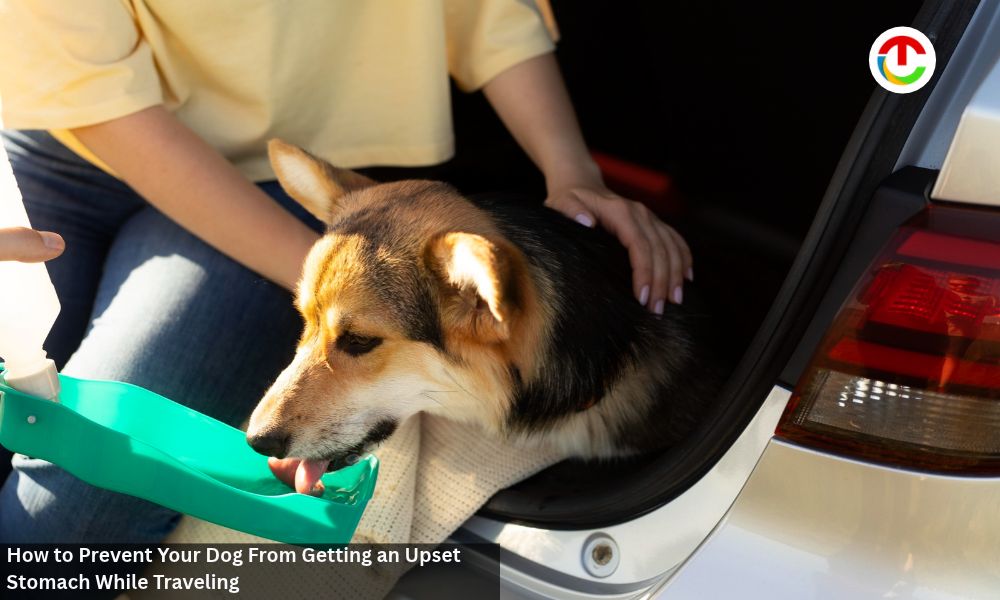
A road trip can be exciting for a dog, but a change in routine, unfamiliar surroundings, and hours in the car may not agree with every stomach. A pet that usually eats happily at home might feel unsettled when meal times shift or new treats appear along the way. The best preparation starts before the car leaves the driveway: keep your dog’s regular food familiar, pack trusted treats such as bully sticks, and plan breaks for water and bathroom needs help to not getting the upset stomach of dog .
These steps cannot prevent every digestive problem, but they can reduce avoidable triggers and help you spot when your dog needs more than a rest stop. A little preparation makes the journey easier for everyone.
Why Travel Can Upset a Dog’s Stomach?
Travel-related stomach trouble can have several causes. Stress or excitement may affect digestion, while motion sickness can cause nausea, drooling, and vomiting. Sudden changes in food, rich treats, eating too much, or scavenging at stops can also lead to vomiting or loose stools.
Restlessness, drooling, lip-licking, or nausea may point to motion sickness; a veterinarian can help identify the cause.
Keep Food Choices Familiar Before You Leave
Avoid changing your dog’s regular food just before a trip. Pack enough of their usual complete food for the journey, plus extra in case of delays. Keep meal times as close to the normal routine as practical, and do not let roadside snacks or table scraps replace balanced meals.
If you plan to offer produce as an occasional treat, check which options are suitable first. This guide to fruits and vegetables dogs can eat explains safe choices and preparation. Introduce any food your dog has not tried before at home, in a small amount, rather than testing it during travel. Dogs with food sensitivities or prescribed diets should only receive additions approved by their veterinarian.
Introduce Treats and Chews Gradually for the upset stomach of dog
A journey is not the ideal time to introduce several new treats at once. When offering an unfamiliar treat or chew, start with the recommended amount and observe how your dog responds. Choose familiar options for the journey and keep portions within the product’s feeding guidelines.
This is particularly important when introducing a new chew. For example, Bully Bunches recommends moderate consumption during a dog’s first three to five experiences with its protein-rich chews, with no more than one stick per day considered optimal during this adjustment period. Always follow the guidance for the specific product and consider your dog’s size, age, chewing habits, and dietary needs. If a treat appears to cause digestive discomfort, stop offering it and consult your veterinarian if symptoms persist.
Treats should remain a small part of the daily diet. The World Small Animal Veterinary Association recommends that treats make up no more than 10% of a dog’s daily calories. Include training rewards, chews, and other extras when considering that total.
Plan Meals and Portions Around the Drive
Avoid giving your dog a large meal immediately before setting off, especially if car travel tends to make them nauseated. Instead, ask your veterinarian about suitable meal timing for your dog’s age, health, and travel duration. Puppies, dogs with medical conditions, and pets taking medication may need an individual feeding plan.
During the trip, offer familiar food in sensible portions at safe stops rather than letting your dog graze on unfamiliar snacks. Secure food containers and keep human snacks out of reach. Fatty leftovers and sudden changes in portion size can upset digestion, while some human foods are toxic to dogs. The FDA’s guide to potentially dangerous items for pets lists common food hazards and explains what to do after a suspected exposure.
Make Water and Rest Breaks a Routine
Bring fresh water and a clean, portable bowl. Offer water at regular stops and allow time for bathroom breaks and calm movement. Avoid allowing them to gulp large amounts at once if they are already nauseated; offer access in a calm, measured way.
Restrain your dog while the vehicle is moving, never leave them unattended in a parked car, and do not force food if they seem unsettled. A quiet break may help, but repeated vomiting or signs of dehydration need veterinary advice.
Recognize Symptoms and Know When to Call a Vet
An occasional soft stool may have a simple explanation, but repeated or severe symptoms should not be dismissed as ordinary travel nerves. Watch for vomiting, diarrhea, loss of appetite, unusual tiredness, abdominal discomfort, or changes in drinking.
Contact a veterinarian promptly if your dog has repeated vomiting, bloody or black stools, severe diarrhea, marked weakness, a painful or swollen abdomen, or cannot keep water down. Seek urgent advice if you suspect they have eaten something toxic or swallowed a foreign object. Do not give human anti-diarrhea or nausea medicines unless a veterinarian specifically instructs you to do so.
Conclusion
A settled travel routine, familiar food, gradual treat introductions, and regular water breaks can help reduce avoidable digestive upsets and upset stomach of dog . Pay attention to your dog’s behavior and stool changes, and do not assume serious symptoms are simply travel stress. Preparation also makes it easier to respond calmly when plans change unexpectedly.
Frequently Asked Questions
1. Should I give my dog probiotics before a road trip?
Do not start a probiotic or digestive supplement solely for travel without asking your veterinarian whether it is appropriate for your dog.
2. Are puppies more likely to experience motion sickness?
Yes, motion sickness is more common in younger dogs, and many puppies improve as they mature.
3. Should I give my dog human medicine for an upset stomach of dog ?
No; some human medicines can be unsafe for dogs or unsuitable alongside their existing medication, so check with a veterinarian first.
Also Read :- The Business of Pet Wellness: Why Quality and Nutrition are Driving Growth In the Pet Food Market