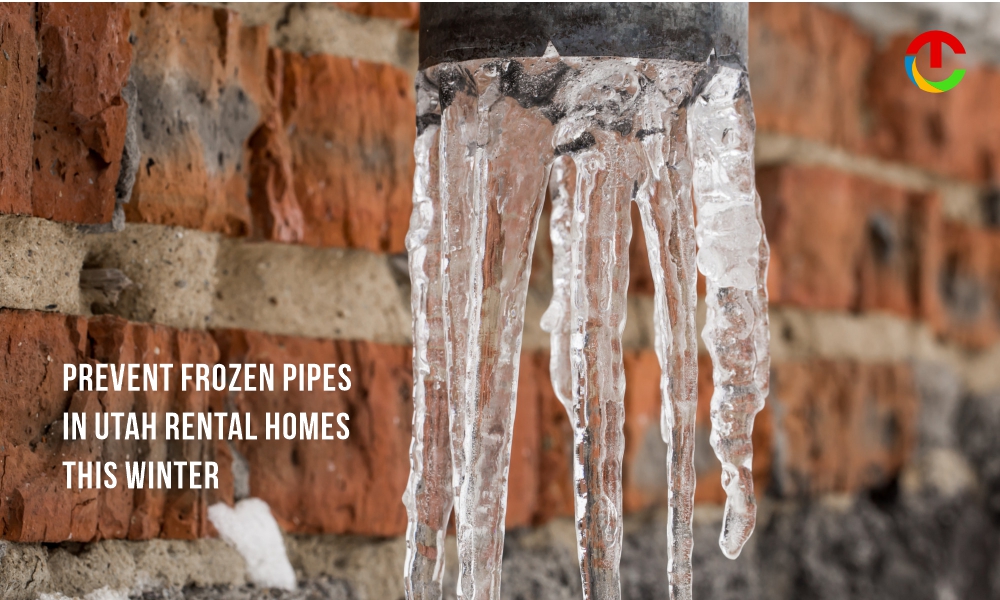
Utah winters are famous for delivering world-class ski powder, but for rental property owners, the state’s extreme sub-zero temperatures present a major financial hazard: frozen and burst water pipes. Along the Wasatch Front and higher elevation mountain valleys, arctic weather fronts drop temperatures well below freezing overnight, putting immense pressure on residential plumbing systems.
A single burst pipe can unleash hundreds of gallons of water per hour, causing catastrophic damage to flooring, drywall, electrical systems, and personal belongings. In a rental property, water damage also leads to displaced tenants, lost rental income, expensive emergency remediation, and potential lease disputes. Implementing proactive winterization protocols protects your real estate investment before the first hard freeze arrives.
1. Understanding Utah’s Unique Winter Climate Risks
Quick Answer: Utah’s rapid temperature drops, high altitude, and prolonged sub-zero freeze snaps penetrate uninsulated crawlspaces, exterior walls, and unheated basements faster than in mild climates.
Plumbing lines running through unheated or poorly insulated zones are particularly vulnerable during Utah’s inversion season and sudden polar blasters. When water freezes inside a pipe, it expands by approximately 9%, creating extreme hydraulic pressure between the ice blockage and closed faucets until the pipe wall ruptures.
Key high-risk zones in Utah rental properties include:
- Exterior Wall Plumbing: Supply lines servicing kitchens, bathrooms, or laundry rooms located along outer building walls.
- Unheated Basements & Crawlspaces: Uninsulated pipes running under floor joists or near foundation vents.
- Garages & Attic Cavities: Water lines feeding upper-floor bathrooms or hose bibs that pass through unconditioned attached garages.
Executing targeted Utah rental winterization strategies minimizes thermal transfer and keeps water flowing smoothly all winter long.
2. Exterior Winterization: Hose Bibs, Sprinklers, and Swamp Coolers
Quick Answer: Disconnecting garden hoses, draining outdoor spigots, winterizing irrigation lines, and shutting down evaporative coolers prevents exterior ice expansion from bursting interior pipes.
Preventing plumbing failures begins outside the home before freezing temperatures settle in:
- Disconnect Hose Bibs: Leaving a garden hose attached to an outdoor spigot traps water inside the sillcock valve. When that trapped water freezes, it bursts the interior pipe behind the wall. Ensure tenants disconnect and store all hoses by late autumn.
- Shut Down Evaporative (Swamp) Coolers: Many older Utah homes feature rooftop or window-mounted swamp coolers. Property owners must shut off the water supply line, drain the cooler pan and copper feed line, and insulate the exterior unit to prevent frozen water line splits.
- Blow Out Sprinkler Systems: Irrigation lines and backflow preventers retain water that cracks plastic valves and underground PVC pipes during deep freezes. Schedule professional compressed-air blowouts every fall.
3. Interior Plumbing Upgrades: Insulation, Air Sealing, and Heat Tape
Quick Answer: Applying foam pipe sleeves, sealing exterior wall draft gaps with spray foam, and verifying electric heat tape functionality protects vulnerable interior supply lines.
Structural preparation prevents cold air currents from reaching exposed pipes. Simple interior retrofits yield substantial protection:
- Install Foam Pipe Sleeves: Cover exposed hot and cold water pipes in basements, crawlspaces, and utility closets with high-density foam insulation or fiberglass wraps.
- Seal Exterior Draft Gaps: Cold air entering around dryer vents, electrical conduits, gas lines, or foundation cracks can freeze adjacent plumbing within hours. Use expanding spray foam or exterior caulk to seal draft gaps.
- Check Electric Heat Tape: For water lines in unconditioned spaces, verify that UL-listed heat tape is installed, functioning properly, and plugged into a working GFCI outlet.
Executing these low-cost tasks as part of your routine seasonal rental property maintenance wards off multi-thousand-dollar insurance claims.
4. Tenant Guidelines and Lease Protocols for Sub-Zero Weather
Quick Answer: Establish clear lease requirements mandating a minimum thermostat setting of 55°F, cabinet door opening, and immediate reporting of lost water pressure during extreme cold snaps.
Even the best-insulated home can suffer frozen pipes if tenants turn off the heat before departing for holiday vacations. Educating residents and setting clear expectations is vital for tenant frozen pipe prevention.
Include these mandatory winter guidelines in your lease agreements and seasonal reminder notices:
- Maintain Minimum Thermostats: Require tenants to keep indoor heat set to at least 55°F (13°C) at all times, even when traveling.
- Open Cabinet Doors: During severe sub-zero cold snaps, advise residents to leave kitchen and bathroom sink cabinet doors open so ambient furnace heat circulates around interior plumbing.
- Drip Faucets During Extreme Cold: Allowing a slow, steady trickle of cold water to drip from faucets connected to exterior wall pipes relieves hydraulic pressure and reduces freezing risks.
- Know the Main Water Shut-Off: Ensure every tenant knows the exact location of the main indoor water shut-off valve (and how to turn it) in case of an emergency.
5. Partnering with Property Managers for Winter Oversight
Quick Answer: Professional property managers oversee seasonal vendor maintenance, conduct vacant home walk-throughs, enforce lease heating rules, and handle emergency shut-offs 24/7.
Managing winter risks across multiple rental units requires continuous physical oversight—especially when properties sit vacant between tenant leases. A vacant home without active heating can freeze solid within 24 to 48 hours during an arctic front.
Partnering with experienced residential property management companies in Salt Lake City helps property owners automate pre-winter inspections, enforce seasonal lease clauses, and coordinate 24/7 emergency maintenance when arctic fronts roll in. Local managers monitor weather forecasts, conduct regular vacant unit walk-throughs, and coordinate certified HVAC and plumbing technicians to resolve heating failures before pipes crack.
6. Myth vs. Fact: Rental Property Freeze Protection
Clearing up common misconceptions helps landlords make informed winterization choices:
| Misconception | Utah Property Reality |
| “Turning the furnace completely off in a vacant rental saves money.” | Shutting off heat in winter leads to frozen pipes, resulting in thousands of dollars in structural water damage. |
| “Hot water pipes do not freeze as quickly as cold water pipes.” | Hot water lines often freeze faster due to dissolved gas depletion during heating, making both lines equally vulnerable. |
| “Landlord insurance automatically covers all frozen pipe damage.” | Insurers can deny claims if the owner or tenant failed to maintain adequate heating in the building. |
7. The Ultimate Utah Rental Winterization Checklist
Use this seasonal audit checklist every autumn to prepare your rental property portfolio for winter:
- [ ] Hose Disconnection: Verify garden hoses are detached and hose bibs are fitted with insulated foam covers.
- [ ] Irrigation Shutdown: Perform compressed-air sprinkler blowouts and isolate exterior backflow valves.
- [ ] Swamp Cooler Shutdown: Drain water supply lines and cover rooftop evaporative units.
- [ ] Furnace Inspection: Service the furnace, replace filters, and test carbon monoxide alarms.
- [ ] Pipe Insulation Audit: Wrap exposed plumbing in crawlspaces and basements with foam insulation sleeves.
- [ ] Tenant Winter Memo: Send formal written reminders covering minimum thermostat settings (55°F+) and emergency shut-off valve instructions.
Preventing frozen pipes in Utah rental homes requires a proactive combination of structural maintenance, exterior winterization, tenant education, and professional property oversight. By insulating exposed supply lines, shutting down outdoor water systems early, enforcing lease heating minimums, and acting quickly when temperatures plunge, property owners can safeguard their equity and keep residents warm, dry, and comfortable throughout the winter season.
Also Read :- The ROI of Pre-Sale Renovations: Which Upgrades Deliver the Strongest Returns