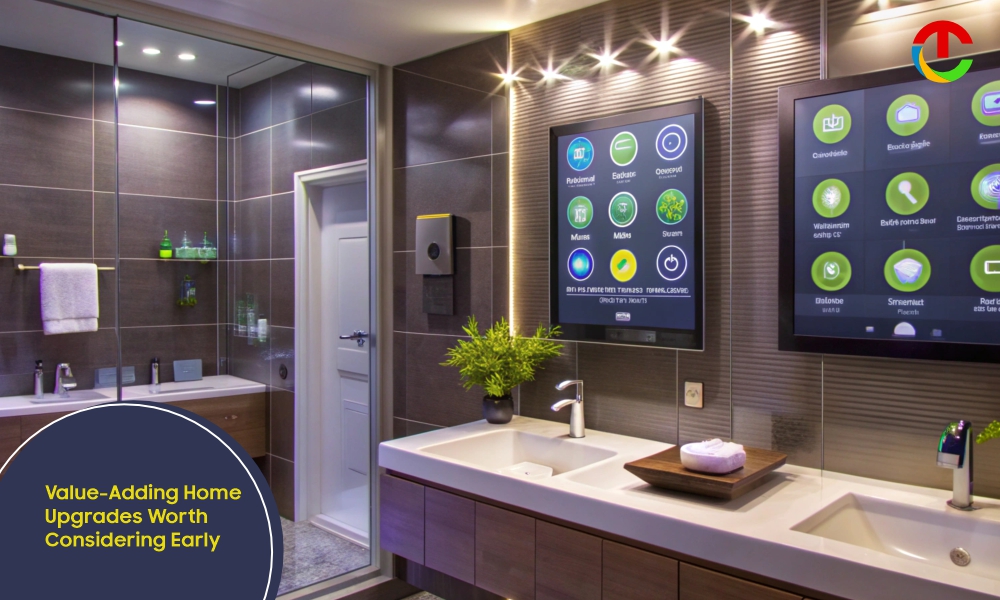
Some home upgrades are simple to add later, while others are far more practical and cost-effective when planned before construction starts. For families building a new home, early decisions can shape comfort, flexibility, running costs and future resale appeal. The most valuable Value-adding home upgrades are not always the most obvious; they are often the structural, functional and service-related choices that help the home work better for years.
Structural Flexibility Adds Long-Term Value
Structural value-adding home are worth considering early because they can be difficult and expensive to retrofit. Higher ceilings, wider hallways, larger room footprints, stronger roof framing and provisions for future extensions can all affect how well the home adapts over time. These choices are especially useful for growing families, upsizers and multigenerational households.
Families considering a tailored build can look at a range of residential design teams, including Neptune Homes residential home builders and designers, to understand how structural decisions influence long-term value. Early layout planning can support future flexibility without relying on costly changes after construction begins.
Energy Efficiency Should Be Built In
Energy-efficient upgrades are strongest when included from the start. Good thermal insulation, quality glazing, considered window placement and effective shading can improve indoor comfort and reduce heat transfer across the seasons. Once walls, windows and roofing are in place, these features become harder to optimise.
Efficient heating, cooling and hot water systems should also be planned early. While appliances can be replaced later, service locations, wiring, ventilation and space requirements are easier to resolve during design. A well-planned energy-efficient home can reduce running costs while keeping daily living more comfortable for the whole household.
Kitchens And Bathrooms Need Smart Planning
Kitchens and bathrooms have a major impact on both daily convenience and future resale appeal. Upgrading benchtops, storage, tapware, waterproofing standards and layout choices during the build can prevent expensive rework later. In busy family homes, practical details often matter most, including larger pantry space, durable surfaces, double vanities and better separation between wet areas.
Laundry design deserves the same early attention. External access, built-in storage, bench space and room for sorting clothes can make household routines easier. Because these areas rely heavily on plumbing, drainage and cabinetry, it is better to resolve them before construction rather than after handover.
Storage Upgrades Make Family Living Easier
Storage is one of the most underrated value-adding upgrades in a new home. Families often focus on bedroom sizes and open-plan living, but limited storage can quickly make even a spacious house feel cluttered. Walk-in wardrobes, linen cupboards, garage storage, mudroom-style entries and built-in cabinetry can improve daily function without dramatically changing the home’s footprint.
For multigenerational households, storage also supports privacy and independence. Separate areas for school gear, prams, sports equipment, work tools or extended family belongings can help the home stay organised as needs change.
Outdoor Connections Increase Usable Space
Outdoor upgrades can add genuine lifestyle value when planned as part of the home’s layout. Covered alfresco areas, wider sliding doors, outdoor kitchens, integrated lighting and ceiling fans can make outdoor spaces feel connected to the main living zones. For acreage homes or larger blocks, this indoor-outdoor link can become one of the home’s strongest features.
Good outdoor planning goes beyond the patio itself. Drainage, power points, privacy screening and solar access all affect whether the space feels comfortable at different times of day. Access from the kitchen or family room also matters, because the easier the outdoor area is to reach, the more likely it is to be used regularly.
Technology And Wiring Need Future Provision
Value-Adding Home Features do not need to be excessive, but the right infrastructure is worth planning early. Extra power points, data cabling, security wiring, electric vehicle charging provisions and home office connectivity are usually neater and more affordable before walls are lined and finished.
Flexible lighting zones, charging points in study nooks and media cabling for shared living areas can also help the home keep pace with changing family routines. As children grow and work-from-home needs shift, these small provisions can stop the home from feeling outdated too quickly.
Building Value Starts Before Construction
Value-Adding Home upgrades work best when they improve daily living while protecting future flexibility. Structural planning, energy efficiency, smart wet-area design, practical storage, usable outdoor space and future-ready wiring all deliver greater benefit when considered early. By making these decisions before construction begins, families can create a home that feels more comfortable, adaptable and complete from the moment they move in.
Also Read:- What Makes a Great Painter in Lower Hutt? Here’s What to Look For