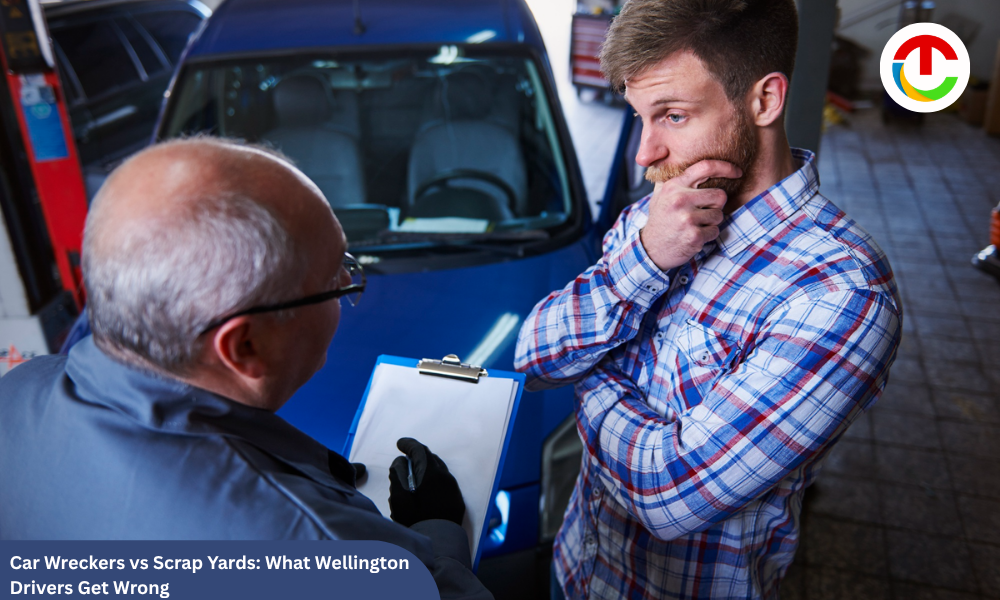
Many Wellington drivers talk about “car wreckers” and “scrap yards” as though they offer the same service. The difference is important. A scrap yard usually prices a vehicle by metal weight. A wrecker looks at usable parts, condition, demand, access, and collection costs. Those factors can change the offer, the paperwork, and the disposal process after pickup. Knowing the difference helps owners make cleaner, better-paid decisions.
A damaged or unwanted vehicle should be judged by more than its weight on a scale. A yard focused on melting metal may overlook working mirrors, panels, tyres, lights, and electronics. A dismantler, such as car wreckers in Wellington, can assess those parts before giving a price, which matters for newer cars, vans, utility vehicles, and imported models.
The Main Difference
Scrap yards mainly deal in raw material. They buy vehicles for steel, aluminium, copper, batteries, and catalytic materials. The offer often follows metal prices and vehicle weight. A small hatchback with a sound engine can still receive a low quote if scrap rates are weak.
Car wreckers in Wellington assess the vehicle more broadly. They look at gearboxes, doors, wheels, lights, seats, trim, and mechanical parts that may still be useful. A failed warrant, crash damage, or flat battery does not always mean low value. Reusable parts can raise the price.
That difference matters across Wellington. Collection costs change by suburb, driveway access, and whether the vehicle can roll. A dead car in a narrow spot may cost more to remove than one parked roadside. Good buyers explain these factors before pickup.
What Drivers Often Assume?
Many owners assume an old car is worth scrap only. That can be a costly mistake. Common models often have steady demand for engines, panels, seats, wheels, mirrors, and lights. Toyota, Mazda, Subaru, Ford, and similar vehicles can hold value through parts.
Another common belief is that deregistered or unwarranted cars are difficult to sell. In practice, these are routine cases for wreckers. The main requirements are proof of ownership, clear condition details, and safe access for collection.
Some drivers also worry that towing will reduce the agreed amount. Clearly state operators include removal in the quote or explain limits before booking. Owners should confirm pickup, payment, and transfer steps before the truck arrives.
How Pricing Really Works?
A fair valuation starts with practical details. Make, model, year, engine type, mileage, registration status, damage, and location all matter. Photos help because they show missing parts, panel damage, tyre wear, and accident history.
Scrap yards may change prices when metal rates move. Car wreckers in Wellington consider metal value too, but parts demand can carry more weight. A car with a failed engine may still be valuable if the transmission, wheels, and panels are clean.
The highest offer is not always the best deal. Owners should check whether towing is free, payment is immediate, and ownership transfer is handled correctly. A vague quote can cost more than it appears at first.
Paperwork Is Not a Minor Detail
End-of-life vehicles still need proper transfer steps. The seller should know who completes the change of ownership and when responsibility ends. This helps avoid fines, toll notices, and later disputes.
Number plates, registration status, and any money owing should be checked before collection. If finance remains on the vehicle, lender approval may be needed before disposal. Honest buyers raise these points early.
Receipts also protect both sides. A simple written record should list the vehicle, agreed amount, date, buyer details, and seller details. That paper trail is useful if questions arise later.
Environmental Handling Counts
A scrap yard may process metal quickly, but disposal involves more than crushing a shell. Fluids, batteries, tyres, air conditioning gas, and oils need careful handling. Poor disposal can create avoidable soil and water risks.
Wreckers usually remove reusable parts before recycling the remaining metal. This reduces waste because working components stay in use. After dismantling, the leftover shell can still be processed for material recovery.
For Wellington owners, this is a practical concern. Space is tight, weather changes quickly, and leaking vehicles can damage driveways. Fast collection with responsible handling is often the cleanest option.
Questions To Ask Before Booking
Owners should ask how the quote was worked out. If the answer is only “scrap weight”, the vehicle may be undervalued. A buyer who asks about parts, condition, and access is usually giving a better-informed estimate.
Payment terms should be just as clear. The seller should know whether payment happens at pickup, after inspection, or after paperwork. Any towing fee should be stated before collection is booked.
Drivers should also ask what happens after pickup. A direct answer shows whether the vehicle will be dismantled, recycled, or handled as mixed scrap. That question often exposes the real difference between services.
Conclusion
Wellington drivers get better results when they stop treating wreckers and scrap yards as identical. Scrap value is only one part of the total. Parts demand, condition, collection access, paperwork, and disposal standards all affect the outcome. Before accepting an offer, owners should ask clear questions and compare more than price. A proper process can make an unwanted vehicle easier, cleaner, and more worthwhile to hand over.
Also Read :- How Professionals Safely Load and Secure a Bike for Transport