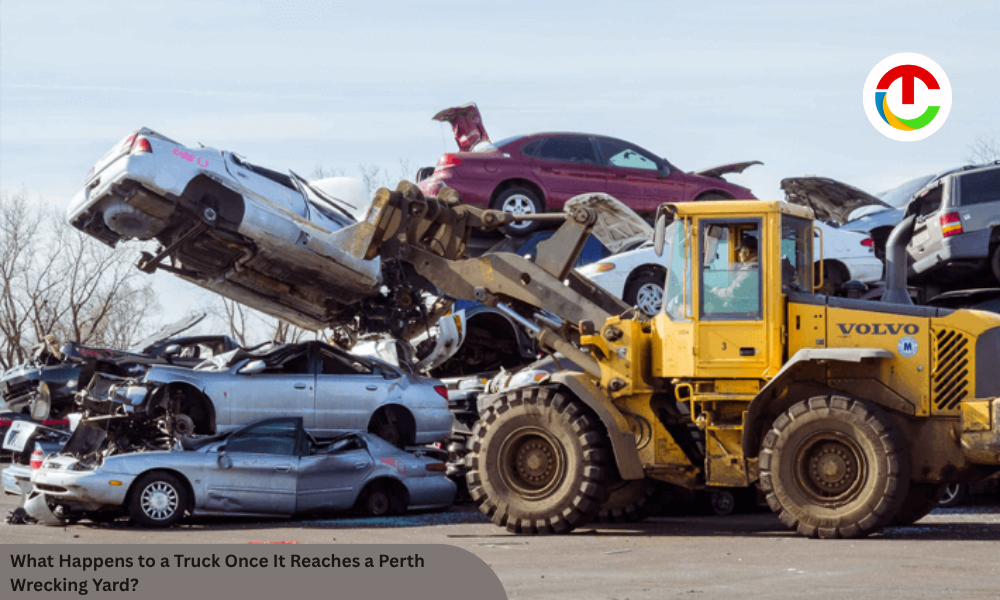
A truck does not become scrap as soon as it reaches a Perth wrecking yard. It enters a planned recovery process that balances safety, value, and responsible disposal. Staff inspect the vehicle, remove hazards, identify usable parts, and separate materials for recycling. This careful approach helps reduce landfill, recover expensive components, and protect former owners from later paperwork issues once the truck is no longer fit for regular road use.
Arrival and Assessment of Truck in Perth Wrecking Yard
When the truck arrives, staff record its make, model, year, body type, condition, and vehicle identification details. These checks support ownership records and guide the next steps. Many owners contact truck wreckers in Perth because commercial vehicles can still hold value in engines, gearboxes, axles, trays, panels, and fittings, even after damage or major mechanical failure.
The first inspection also covers rust, accident impact, missing parts, tyre wear, odometer readings, and fuel system safety. A rigid delivery truck, tipper, refrigerated unit, or prime mover may each need a different plan. Getting this right early makes dismantling safer and helps staff decide which parts should be tested, stored, recycled, or discarded.
1. Fluid Removal and Safety Checks
Before dismantling starts, the truck must be made safe. Diesel, engine oil, coolant, brake fluid, transmission fluid, and hydraulic oil are drained into approved containers. Batteries are disconnected and separated for recycling. Air tanks, gas struts, and pressure systems are checked because stored pressure can create serious risks during dismantling.
This stage protects workers and the site. It also helps stop spills from reaching soil, drains, or nearby waterways. If the truck carried chemicals, waste, fuel, or industrial materials, extra cleaning may be required before the yard continues with parts removal.
2.Parts Removal and Grading
Once the truck is safe, staff remove components that may still have service life. Common items include engines, transmissions, starter motors, alternators, differentials, mirrors, lights, wheels, doors, seats, suspension parts, trays, and fuel tanks. Heavy vehicles often contain costly parts that remain useful after the truck itself is no longer roadworthy.
Each item is checked, cleaned, labelled, and graded. A working gearbox from a later model truck may be stored for resale. A damaged door might still provide usable hardware, glass, or repair sections. Parts that fail inspection are moved into recycling rather than being returned to use.
Why Grading Matters?
Grading helps keep unsafe components out of circulation. It also gives buyers clearer expectations about condition and price. A tested used part can reduce repair costs while helping another vehicle stay in service for longer.
1. Metal Sorting and Recovery
After reusable parts are removed, the remaining shell is prepared for recycling. Trucks contain large volumes of steel, along with aluminium, copper, brass, and lead. These materials are separated where practical because each one has a different recovery value and recycling method.
Steel usually comes from chassis rails, trays, cabs, and body panels. Aluminium may be found in wheels, tanks, steps, and some bodywork. Copper is recovered from wiring and electrical systems. Cleaner sorting improves recycling outcomes and reduces the amount of material sent to landfill.
2. Tyres, Glass, Plastics, and Trim
A truck is made from far more than metal. Tyres, glass, rubber seals, dashboards, seats, plastic tanks, hoses, and interior trim all need separate handling. Some tyres may be suitable for reuse or retreading. Others can be processed for crumb rubber, civil works, or approved disposal.
Glass and plastics are harder to recover than metal, but sorting them still matters. It reduces the final waste pile and helps control disposal costs. A well-run yard aims to recover as much useful material as practical from each vehicle.
3. Records and Final Processing
Paperwork remains part of the process from arrival through final disposal. Ownership details, disposal records, and transfer documents are checked so the previous owner is not linked to later registration, toll, or compliance problems.
After dismantling and sorting, the stripped frame is crushed or cut for transport. Metal recyclers then process the recovered material for use in manufacturing. By this stage, the truck has been turned into usable parts, separated metals, and managed waste streams.
Conclusion
A Perth wrecking yard gives an unwanted truck an organised final pathway. The vehicle is assessed, drained, dismantled, graded, recycled, and documented through clear stages. This process protects workers, limits environmental harm, and returns useful materials to supply chains. For owners, it also explains why a truck with crash damage, engine failure, or expired registration can still carry real value after its working life ends.
Also Read :- 8 Signs Your Honda Needs a Trip to an Auckland Wrecker, Not a Mechanic