(image by SUMALI IBNU CHAMID from Alemedia via Canva)
You probably spend a lot of energy on uptime, security, and the tools your teams use every day. Yet the room where people do that work rarely makes your priority list. That gap matters more than most leaders think.
Your people bring their focus, mood, and creativity into a physical space. That space either supports them or quietly drains them. Nature of workplace research keeps pointing to a simple, low-tech fix: put nature where people can see it. It sounds almost too easy for a field built on complex systems.
Still, the evidence deserves a closer look. More companies now ask staff to return to shared offices, so the timing makes sense. Here is what the studies actually show and how you can act on them.
The Lean Office Idea Did Not Hold Up
For years, many companies stripped offices down to clean desks and bare walls. Researchers from the University of Exeter, the University of Groningen, and the University of Queensland tested that belief. Their 2014 field study ran in two large commercial offices in the UK and the Netherlands.
The Smart Tech Leaders results surprised plenty of managers. nature of workplace and Plants in previously bare offices raised productivity by 15%. Staff also reported higher workplace satisfaction, better concentration, and better perceived air quality. Co-author Professor Alex Haslam put it neatly: “Sometimes less is just less.”
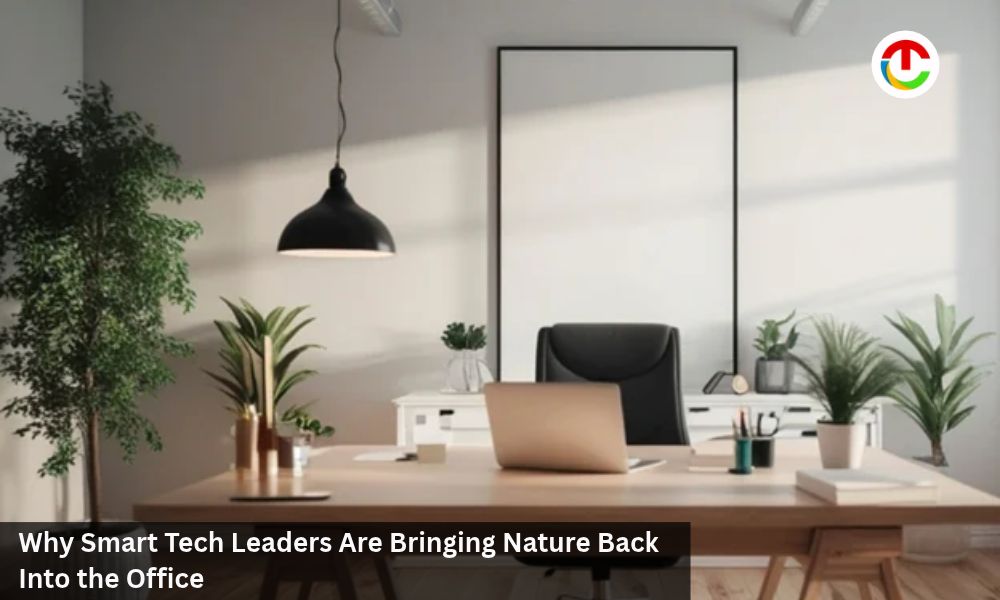
Co-author Dr Craig Knight said the key was that everyone could see a plant from their desk. He added that photographs, changes in light, or even smell could create a similar effect. That turns greenery into a question of sightlines rather than décor budgets.
What Smart Tech Leaders with Biophilic Design Brings to Your Teams ?
Designers call this approach biophilic design, which means building a connection to nature into indoor spaces. The nature of workplace and Human Spaces report, led by organisational psychologist Professor Sir Cary Cooper, surveyed 7,600 office workers across 16 countries. People in spaces with natural elements reported 15% higher well-being and 15% more creativity. They also rated themselves 6% more productive.
Here is what that can mean for a technology team:
1. Sharper Focus During Deep Work:
Engineers and analysts spend long stretches on demanding mental tasks. The Exeter study found that greenery lifted self-reported concentration in real offices. Green elements give tired eyes a restful place to land between screens. Those small pauses can help people return to complex problems with a clearer head.
2. Stronger Creative Problem Solving:
Tech work depends on fresh ideas as much as raw output. The Human Spaces findings linked natural elements with higher self-reported creativity. You need that spark during architecture reviews, product planning, and post-incident reviews. A calm, living room can make those sessions feel less like a grind.
3 .A Clear Signal That You Care:
Haslam suggested a green office tells staff that their employer cares about their welfare. That message carries weight in tight hiring markets for technical talent. About a third of Human Spaces respondents said workplace design would affect their decision to join a company. Small visual choices can therefore support your hiring and retention goals.
Low-Maintenance Greenery for Hybrid Offices
Hybrid schedules leave many offices half-empty for days at a time. Nature of workplace , Real plants need light, water, and steady care, and they suffer when nobody shows up. A row of drooping plants sends the opposite message to the one you intended.
Realistic artificial greenery solves that problem, since it stays fresh on quiet weeks. Jamali Garden offers lifelike artificial plants and greenery, along with planters to suit different interiors. You can find pieces for windowless meeting rooms and low-light corners at Jamali Garden without adding another watering schedule. Lab research does show living plants trigger the strongest relaxation response, so keep some where they can thrive.
You should also drop one popular myth. A 2019 Drexel University review found that potted plants clean indoor air far too slowly to matter. You would need between 10 and 1,000 plants per square metre to match a building’s ventilation system. The real payoff from greenery is psychological, so artificial pieces can still do much of the heavy lifting.
Practical Steps to Green Your Workspace
1. Plan Around Sightlines
1. Start at the Desk
Knight’s research gives you a clear benchmark. Every person should see some greenery from their usual seat. Walk the floor plan and sit at a few desks yourself. You will quickly spot the blank zones that need attention.
2. Use Larger Pieces to Shape Zones
Tall plants can separate collaboration areas from quiet focus spaces without new walls. That gives you flexible layouts at a fraction of construction costs. You can also move them as teams grow or reorganise.
2. Match the Plant to the Space
Put living plants where natural light is strong and someone owns their care. Use artificial pieces in low-light rooms, busy reception areas, and floors that sit empty for days. Dust artificial plants regularly so they keep looking real. A tired, dusty plant undermines the whole effort.
3. Ask Your People What They Want
The Human Spaces report ranked natural light and live indoor plants as the two most desired office features. Your own staff may have different priorities, so run a short survey first. Their answers will help you spend wisely and win quick buy-in.
A Greener Office Is a Smarter Investment
You already treat infrastructure as something that shapes performance. Your physical workspace deserves the same thinking. The research shows that visible greenery can lift satisfaction, concentration, and creativity at a modest cost.
Start small with one floor or one team. Track how people feel before and after, then scale what works. Mix living and artificial plants based on light, traffic, and who will care for them.
The best tech leaders know that people, not just platforms, drive results. Your office is one of the few tools that every employee uses daily. A nature of workplace that feels alive gives those people one more reason to do their best work.
Also Read :- The Hidden Challenges of Running a Business in a Digital-First World