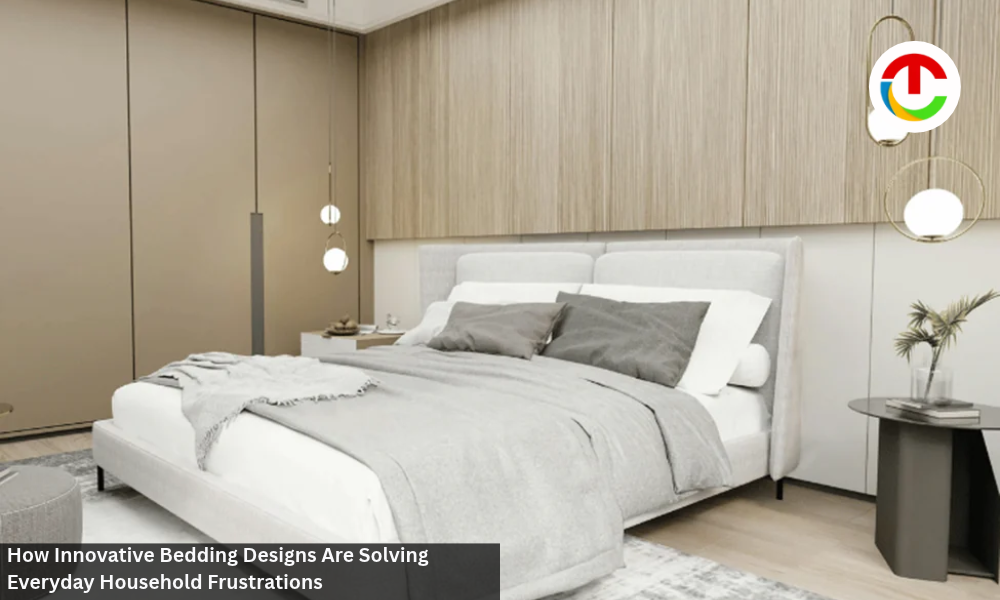
Photo by Dada_design from Pexels.
Innovation is often associated with smartphones, artificial intelligence, and sophisticated home appliances. Yet some of the most practical improvements happen in products we use every day.
Take bedding, for example. Changing a duvet cover can involve wrestling with bulky fabric, trying to align awkward corners, and repeatedly shaking the insert into place. It’s a familiar frustration that traditional bedding designs haven’t always addressed.
Fortunately, a growing focus on user-friendly product design is changing how we approach everyday household tasks. From easy-change duvet covers to more accessible fastening systems, modern bedding is becoming as much about convenience as comfort.
These developments offer an interesting example of how thoughtful design can solve ordinary problems without relying on complicated technology.
Why Bedding Designs Is Evolving?
For years, bedding manufacturers have largely focused on fabric quality, appearance, and comfort. While these qualities remain important, they don’t necessarily address how convenient a product is to use.
A duvet cover might look beautiful, but that doesn’t make it easy to change. Similarly, an attractive set of sheets may become inconvenient if it requires complicated washing instructions.
Modern consumers increasingly want products that fit their daily routines rather than add extra work. This has encouraged a more practical approach to bedding design, with manufacturers paying closer attention to how people interact with their products.
For example, removable components, accessible fastenings, and machine-washable materials can make routine bedroom maintenance more manageable. The principle is familiar in product development: identify a recurring inconvenience, understand why it happens, and redesign the product to address it.
It’s a simple approach, but one that can produce genuinely useful improvements.
How Three-Sided Zipper Duvet Covers Simplify Bed-Making?
One of the most frustrating parts of changing bedding is putting a duvet insert inside its cover.
Traditional duvet covers typically have a narrow opening at the bottom. Getting the insert into position often involves reaching deep inside, locating the corners, and shaking everything until the filling sits evenly.
Three-sided zipper duvet covers offer a different approach. Instead of forcing an insert through a small opening, these designs unzip along three edges, allowing the cover to open almost like a book. This makes the entire interior accessible, so users can lay their duvet insert flat before closing the cover.
Doze Bedding has developed a quick-change duvet cover system built around this concept. Its patented design features a three-sided zipper opening and snap-through corners that secure the insert in place. The process involves opening the cover, positioning the insert, fastening the four corner snaps, and closing the zipper. The snaps help prevent the insert from shifting or bunching during use.
For those interested in this approach, they can shop at dozebedding.com for easy-change duvet covers with three-sided zipper openings, secure corner snaps, and breathable cotton fabrics.
This is a practical example of innovation focused on usability. Rather than introducing unnecessary complexity, the design changes how a familiar household product functions.
How Modern Fabrics Are Improving Everyday Comfort?
Practical bedding design isn’t limited to zippers and fastening systems. The materials used also affect how comfortable and convenient bedding feels.
Cotton remains a popular choice for its breathability, softness, and relatively straightforward care requirements. However, different cotton weaves offer different sleeping experiences.
- Percale, for example, has a crisp texture and matte appearance. Its lightweight feel makes it appealing to people who prefer cooler bedding.
- Sateen has a smoother finish and subtle sheen. It generally feels softer and more substantial, making it attractive to those who enjoy a cozier sleeping environment.
Neither fabric is universally better. The right choice depends on individual sleeping preferences, bedroom temperature, and personal comfort. Modern bedding design increasingly recognizes these differences, giving consumers options beyond appearance alone.
When choosing bedding, consider how the fabric feels against your skin, how breathable it is, and whether its washing requirements suit your lifestyle.
Why Low-Maintenance Bedding Designs Matters for Busy Households?
Convenience has become an important consideration when choosing household products, particularly for people balancing demanding careers and family responsibilities.
Bedding is no exception. Regular washing helps maintain a clean sleeping environment, but complicated care instructions can make this recurring task more inconvenient than necessary.
Machine-washable fabrics offer a straightforward solution, allowing households to clean their bedding without relying on specialist services. Other practical considerations include how quickly fabrics dry, whether they require ironing, and how well they tolerate repeated washing.
For busy professionals, these details can influence purchasing decisions just as much as color or texture.
Before buying new bedding, check the care label and consider how the product will fit into your existing laundry routine. A product that looks attractive in photographs isn’t necessarily practical if maintaining it demands more time than you’re willing to spend.
How Bedding Designs Is Becoming More Inclusive?
Another important aspect of product innovation is accessibility. Household products should ideally be comfortable and manageable for people with different physical abilities.
Traditional bedding can challenge older adults, people with limited mobility, or anyone who finds lifting and maneuvering bulky fabrics difficult. Features such as wider openings, accessible closures, and clearly positioned fastenings can reduce some of the awkward movements involved in changing bedding.
However, the suitability of a particular design depends on the individual. Someone with limited hand strength, for instance, may find certain zipper pulls or snaps challenging. This is why inclusive design requires more than making a product easier for the average consumer. It involves considering different needs and allowing people to choose products that suit their abilities.
The wider lesson extends beyond bedding. Thoughtful accessibility features can make everyday products more convenient for a broader range of users.
What to Look for When Choosing Innovative Beddings?
With so many Bedding Designs options available, it’s worth looking beyond marketing claims to understand which features will genuinely improve your daily routine.
Start by identifying the problems you experience with your existing bedding.
If changing your duvet cover is difficult, consider designs with wider openings or more accessible closures. If your Bedding Designs frequently moves out of position, look for secure corner fastenings. Other important considerations include:
- Fabric: Choose materials that suit your preferred sleeping temperature and texture.
- Sizing: Check measurements carefully to find a cover that fits your duvet insert.
- Maintenance: Look for washing instructions you can comfortably follow.
- Fastenings: Consider whether zippers, snaps, buttons, or ties are easiest for you to use.
- Durability: Examine construction quality and whether the materials suit regular use.
A useful innovation should address a genuine problem rather than simply introduce another feature.
Conclusion
The most effective product innovations aren’t always the most technologically advanced. Sometimes, they involve reconsidering familiar objects and making them easier to use.
Modern bedding demonstrates this principle through accessible fastening systems, thoughtfully designed fabrics, and practical maintenance features. These improvements can help reduce everyday household frustrations while making bedroom routines more convenient.
For consumers, the lesson is straightforward: consider functionality alongside comfort and appearance when choosing bedding. After all, good design isn’t just about how a product looks. It’s about how well it works in everyday life.
Also Read :- Balancing Style, Function, and Furniture Longevity