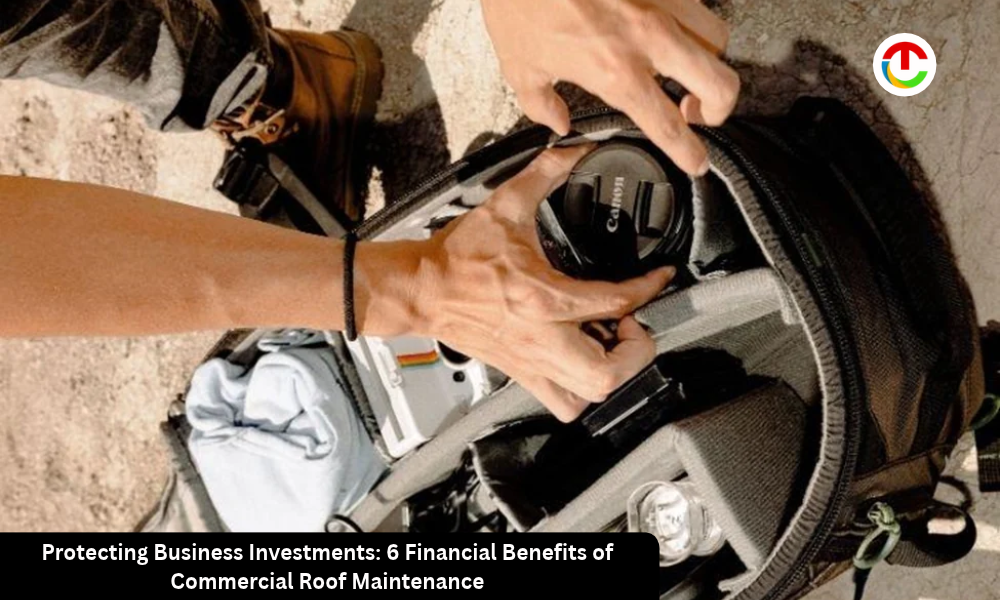
[Photo by Wendy Wei: https://www.pexels.com/photo/person-holding-camera-lens-in-camera-bag-2994110/]
Outdoor Equipment Industry has traditionally been judged by its ability to withstand demanding conditions. A tent needed to keep out the rain, a backpack had to carry heavy supplies, and camping furniture needed to remain stable on uneven ground. Those requirements haven’t disappeared, but manufacturers now face a more complicated challenge.
Consumers increasingly expect products that are lightweight, comfortable, easy to transport, and durable enough for repeated use. Meeting these expectations requires more than changing materials or introducing new features. It calls for a different approach to product development.Outdoor Equipment IndustryConsumers increasingly expect products that are lightweight, comfortable, easy to transport, and durable enough for repeated use. Meeting these expectations requires more than changing materials or introducing new features. It calls for a different approach to product development.
From compact furniture to advanced fabrics, smart design is influencing how outdoor equipment is engineered, manufactured, and used. For businesses, these developments also create opportunities to improve customer satisfaction, address environmental concerns, and compete through practical innovation.
A Growing Market With Changing Expectations
The outdoor recreation market continues to attract new participants, but their behavior is changing. According to the Outdoor Industry Association’s (2026) Outdoor Participation Trends Report, 183.2 million Americans participated in outdoor recreation in 2025, representing 59% of the population aged six and older. However, the report identifies an important shift: “People are going outside, but they’re going less often.”
This presents an interesting challenge for equipment manufacturers. Products must meet the needs of experienced outdoor enthusiasts while remaining practical for people who camp, hike, or attend outdoor events occasionally.
For casual users, complicated assembly, excessive weight, and difficult storage can make outdoor activities less appealing. Manufacturers that address these frustrations through thoughtful design may be better positioned to serve this expanding audience.
Compact Engineering Is Redefining Portability
Portability has become a significant consideration in outdoor product development, particularly for people travelling with limited storage space.
Traditional camping furniture often prioritized stability at the expense of convenience. Modern designs increasingly use collapsible frames, compact folding mechanisms, and lightweight materials to reduce the space equipment occupies.
Camping chairs provide a useful example. Products featured on ozzigear.com demonstrate how folding designs and lightweight frames can make outdoor seating easier to transport and store. However, reducing a product’s size introduces engineering challenges. Compact joints must withstand repeated movement, while smaller frames still need to distribute weight safely.
Designers must consider several competing requirements, including structural stability, carrying weight, packed dimensions, and comfort. A lighter product isn’t necessarily better if it becomes uncomfortable or wears out prematurely. Successful compact engineering involves finding a workable balance between these factors rather than minimizing size at any cost.
Material Innovation Is Improving Product Performance
Material selection plays a major role in modern outdoor equipment industry design. Aluminum alloys are commonly used in lightweight frames because they offer useful strength-to-weight characteristics and corrosion resistance. Manufacturers can also adjust structural shapes and wall thicknesses to manage weight without sacrificing necessary support.
In textiles, synthetic fibers and protective coatings help manufacturers develop fabrics suited to wet conditions, abrasion, and repeated packing. Yet material innovation involves trade-offs. A lightweight fabric may require additional reinforcement at stress points, while certain coatings can complicate recycling. Manufacturers must therefore evaluate materials according to their intended applications rather than relying on a single performance characteristic.
A product designed for occasional beach visits will face different demands from equipment intended for extended wilderness expeditions. Recognizing these differences can prevent unnecessary complexity and manufacturing costs.
Human-Centered Design Is Making Outdoor Equipment Industry Easier to Use
Technical performance matters, but it doesn’t determine whether customers enjoy using a product. Human-centered design begins by examining how people interact with equipment in realistic conditions. Instead of focusing exclusively on laboratory specifications, development teams investigate common frustrations and physical limitations.
Consider a folding camping chair. A compact design offers little convenience if users struggle to unfold it, pinch their fingers in its hinges, or find it difficult to stand up after sitting. Useful design considerations include intuitive assembly, supportive seating positions, accessible controls, and clear instructions.
Testing products with people of different ages, heights, and physical abilities can reveal problems that designers might otherwise overlook. This approach has commercial implications. Products that are straightforward to use can reduce customer frustration, while thoughtful accessibility features may make outdoor activities more practical for a wider audience.
Durability and Repairability Are Becoming Design Priorities
The environmental implications of outdoor equipment extend beyond the materials used during manufacturing. Products that fail quickly require replacement, generating additional demand for raw materials, production, and transportation.
The Ellen MacArthur Foundation (2021) identifies three important considerations for circular product design: physical durability, emotional durability, and the ability to remake or recycle products. For outdoor equipment manufacturers, this creates a strong argument for designing products that remain functional over longer periods.
Reinforced stitching, replaceable components, corrosion-resistant fittings, and repairable frame structures can all contribute to longer service lives. However, durability alone doesn’t guarantee environmental sustainability. Manufacturers must also consider material sourcing, production processes, repair availability, and what happens when equipment eventually reaches the end of its usable life.
Digital Technology Is Changing the Development Process
Smart design isn’t limited to the finished product. Digital tools are also changing how outdoor equipment is developed. Computer-aided design allows engineers to examine multiple product configurations before producing physical prototypes. Simulation software can help assess structural behavior and identify areas requiring further investigation.
For example, engineers developing a folding chair can use digital models to evaluate potential stress concentrations around joints and supporting components. These tools can reduce unnecessary design iterations, although physical testing remains necessary to validate performance under real conditions.
Digital product development also creates opportunities to incorporate customer feedback into future designs. Warranty claims, recurring complaints, and product reviews can help manufacturers identify problems that may not emerge during initial testing. The greatest benefit comes when businesses use this information to guide measurable improvements rather than introducing technology simply for its own sake.
Sustainability Regulations Are Influencing Future Product Decisions
Environmental responsibility is increasingly connected to regulatory expectations and product transparency. The European Union’s Ecodesign for Sustainable Products Regulation, adopted in 2024, establishes a framework for introducing sustainability requirements across product categories (European Parliament & Council of the European Union, 2024).
The European Commission (n.d.) also outlines plans for Digital Product Passports, which will progressively make relevant product information more accessible, including details concerning materials, repairability, and recycling.
These requirements are being introduced by product category, so they shouldn’t be interpreted as applying uniformly to all outdoor equipment. Nevertheless, they illustrate a wider direction in product policy: manufacturers may increasingly need to demonstrate how products are made, maintained, and managed throughout their life cycles.
For outdoor brands, preparing for these expectations could involve improving material traceability, documenting repair procedures, and developing clearer end-of-life guidance.
What Smart Design Means for Outdoor Equipment Industry?
For manufacturers and retailers, smart design offers advantages that go beyond product appearance. Well-considered products can differentiate brands in competitive markets, particularly when improvements address genuine customer problems.
Businesses can evaluate design decisions using practical indicators such as product return rates, warranty claims, repair frequency, assembly time, and customer satisfaction. These measurements help distinguish meaningful innovation from features that look impressive but contribute little to everyday performance.
However, successful innovation requires coordination between engineering, manufacturing, customer service, and commercial teams. A design that performs exceptionally well but is too expensive to manufacture may struggle commercially. The most promising opportunities often come from relatively simple improvements that make equipment easier to carry, operate, maintain, or store.
Conclusion
Smart design is changing the outdoor equipment industry by encouraging manufacturers to reconsider how products perform throughout their entire life cycles. Compact engineering, material development, human-centered design, and digital technology are helping businesses address changing consumer expectations. Meanwhile, durability and environmental considerations are influencing what responsible product development should look like.
The industry’s future won’t necessarily be defined by the most technologically complicated equipment. Instead, manufacturers that solve practical problems without compromising safety, quality, or long-term usability are likely to create the most meaningful innovations.
References
Ellen MacArthur Foundation. (2021, November 23). Design products to be used more and for longer.
European Commission. (n.d.). Digital product passport.
European Parliament & Council of the European Union. (2024). Regulation (EU) 2024/1781 establishing a framework for the setting of ecodesign requirements for sustainable products. Official Journal of the European Union.
Outdoor Industry Association. (2026). 2026 outdoor participation trends report: Executive summary.
Also Read :- Top Military Shop for Tactical Gear and Apparel