The Old Bottleneck Was Never the Media Buy
Ask a small direct-to-consumer brand what slows down its paid social, and the answer is rarely targeting or budget. It is creative. Ad platforms reward fresh variations, and a single product might need a dozen versions a month across formats, hooks and aspect ratios. For a team of two or three people, producing that volume means either a freelance retainer they cannot really afford or the same three ads running until they stop working.
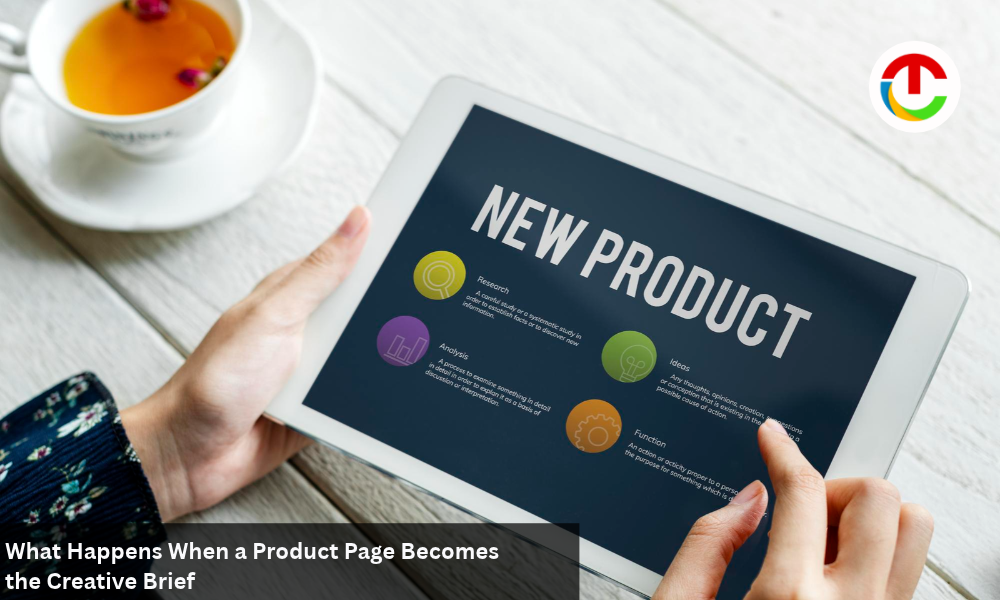
A new category of tools aims at exactly that bottleneck. Instead of starting from a blank timeline, you paste a product page link and the software drafts the ad for you: it reads the product name, price, photos and description, then builds a short video around them. It sounds like a gimmick until you watch how much of a typical brief is already sitting on the product page.
Your Product Page Already Is a Brief
Think about what a creative brief usually contains. The product, its key benefit, the audience, the tone, the call to action and the brand assets. A well-built product page has almost all of that. The headline states the benefit. The bullet points list features. The photos show the product from several angles. The reviews tell you which words real buyers use.
When an ad tool pulls from that page, it is not inventing a pitch from nothing. It is reformatting information you have already approved. That is why URL-to-ad workflows tend to produce drafts that are closer to usable than prompt-only tools, which have to guess everything.
How the Workflow Looks in Practice?
Marketing Studio on PixelDojo is a good example of the current generation. You paste a product URL or upload a photo, pick from 24 ad styles, and the tool generates a video ad of up to 30 seconds using one of three video engines: Seedance 2.5, Seedance 2 or Kling 3.0. Output goes up to 4K. A brand kit stores your logo, colors and fonts so every variation stays on brand, and there are image ads and motion templates for when a full video is more than you need.
For teams that already work with AI agents, the same AI ad generator is exposed through an MCP tool and a REST endpoint, so an assistant like Claude or ChatGPT can produce ad variations inside a larger workflow. Plans start at $10 a month, which puts it within reach of very small shops.
What It Changes for Small Brands?
The biggest shift is testing cadence. When an ad variation costs a few minutes instead of a few hundred dollars, you can test more hooks. Try a version that opens on the price, one that opens on a review quote, one that opens on the product in use. Let the platform data pick a winner, then make more like the winner.
The second shift is coverage. Many brands only run ads for their two or three bestsellers because producing creative for the long tail is not worth it. If a product page can become a draft ad in minutes, slower-moving products can get their own campaigns, and sometimes they surprise you.
The third shift is format. Vertical for Reels and TikTok, square for feeds, horizontal for YouTube pre-roll. Re-cutting the same ad into three ratios used to be tedious editing work. Generating each version from the same source removes most of that labor.
What Still Needs a Human?
None of this removes the need for judgment. Someone still has to decide which product to push, what the offer is and who the audience should be. Generated ads should be reviewed for accuracy every time, especially claims about ingredients, sizing or results, because an ad that overpromises creates refunds and complaints.
Brand voice also takes work. The first drafts from any tool lean generic. The brands that get the most out of these systems feed them better inputs: sharper product copy, real customer language from reviews, and a clear sense of what the brand would never say. Garbage in, generic out.
Finally, there is the strategic layer. Knowing that a winter coat should be advertised against cold snaps, or that a skincare product sells better with a before-and-after angle in one market and a routine angle in another, comes from understanding customers, not from software.
A Sensible Way to Start
If you are curious, do not rebuild your whole ad program at once. Pick one product with a strong page and decent reviews. Generate five variations with different hooks. Run them against your current best ad with a small budget for a week. Compare cost per click and cost per purchase, not just views.
If the generated variations hold their own, expand to more products. If they underperform, look at the inputs before blaming the tool. Often the fix is a clearer product page, which helps conversions anyway.
The Brief Was There All Along
The interesting thing about URL-to-ad tools is not that they replace creative teams. It is that they reveal how much creative direction was already sitting in plain sight on the product page. Brands that write strong pages, collect honest reviews and know their customers are the ones that will get the most out of this shift.
Also Read :- How to Send a Gift Card to Someone in Another Country: 8 Options That Actually Work