You may know that a heavy-duty extension cord is stronger than a regular cord, but knowing when to use one can be difficult. Some people use one for every small job, while others use a thin cord for tasks it cannot handle. Both choices can waste money or put your tools and safety at risk.
A heavy-duty extension cord works best in places where power needs to travel long distances or where tools run for many hours. Its thick wires and strong outer cover help it handle demanding tools and long hours of work when properly rated. Once you know where these cords are most useful, choosing the right one becomes easier and helps you avoid costly mistakes.
This article explains five places where a heavy-duty extension cord can be used effectively and safely.
1. Construction Sites Running Power Tools from Dawn to Dusk
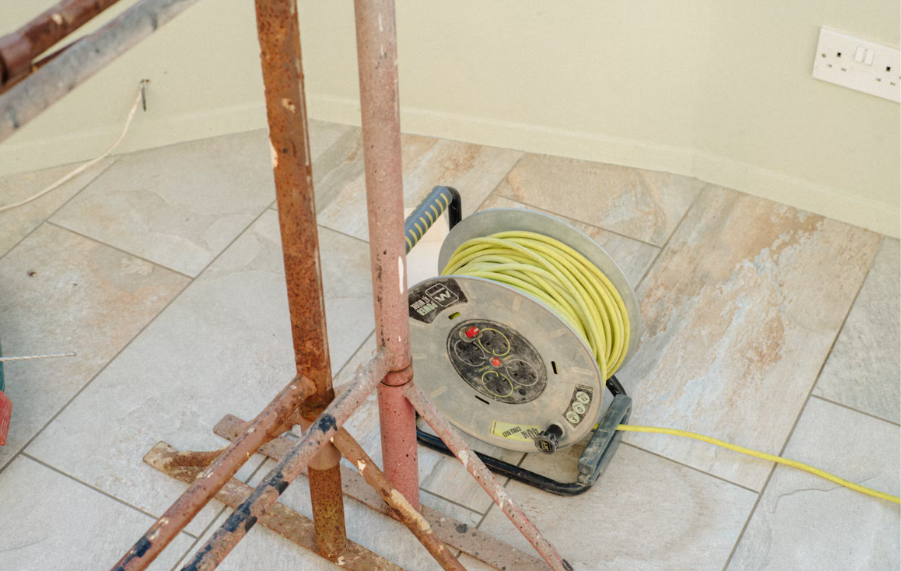
Imagine a construction site where workers need power in many places at once. Saws, drills, and lights all need electricity, but the nearest outlet is often far away. In this situation, a heavy duty extension cord carries power across the site and helps tools work properly.
The ground is also rough, as workers, wheelbarrows, and trucks move over it every day. A thick outer cover helps protect the wires inside from cuts and damage. As a result, work stops less often, and you need to buy fewer replacement cords.
Rain and dust are common on construction sites, and both can reach the plugs. For this reason, choose a cord with a strong outer cover and keep the plugs on a dry board. This simple step helps protect workers from electric shocks.
2. Factory Floors and Industrial Plants with Large Machinery
Inside a factory, machines often need even more power. Motors, pumps, and belts may run for many hours with very few breaks. A weak cord may not handle this work, causing it to heat up and possibly stop the machine.
Machines may also move from one place to another, sometimes ending up farther from an outlet. Thick wires help carry power over long distances without losing as much strength. Thin wires, on the other hand, can lose more power along the way and cause distant machines to work poorly.
Factory floors may be wet, oily, and busy with workers and carts. So, choose a cord with an outer cover designed to handle oil and rough conditions. This helps reduce the risk of damage and keeps the work area safer.
3. Outdoor Events and Festival Grounds with Temporary Power Needs

Outdoor events, such as fairs and concerts, also need a reliable power supply. Stages, speakers, lights, and food stalls all need electricity, but they are often far from the nearest outlet. A long, thick extension cord can cover this distance while providing enough power.
Crowds create another problem because someone may pull the cord and loosen the plug. Locking plugs help prevent this because they twist into place and stay secure. This helps keep the music playing even when someone bumps into the cord.
Every event has a different layout, so one cord length may not suit every setup. Keep both short and long cords available to reach each stall without joining several cords together. Using fewer connections also reduces the number of weak points where power could fail.
4. Home Garages and Backyard Workshops Handling Demanding Equipment
At home, your garage may have a bench grinder, an air compressor, or a shop vacuum. These tools need more power than a thin household cord can safely handle. That is why a heavy-duty extension cord is a better choice for this type of work.
Outside the garage, garden projects also need power for tools like pressure washers and hedge trimmers. A longer cord helps you reach distant areas without moving your equipment. Since you will use it outdoors, choose a cord made for outdoor use.
Long jobs can put extra strain on cords in both places, as tools may run for hours. Before buying a cord, check the amps listed on your tool and choose one rated to handle the same amount or more. This simple check helps prevent overheating and keeps your tools safe.
5. Commercial Spaces Like Retail Stores, Restaurants and Offices

Businesses face similar problems indoors because their layouts often change. A store may add a display, a restaurant may add a prep table, or an office may move its desks. In each case, a heavy-duty extension cord can bring power to the new location.
Many tools in these places run all day, including mixers, floor polishers, and large signs. Long hours of use can put extra strain on a cord, making thin wires a risky choice. Thick wires can stay cooler under the same load when the cord is properly rated, helping make the setup safer.
Foot traffic creates another concern because customers and staff may trip over loose cords. To avoid this, run the cord along a wall and cover any part that crosses a walkway. These simple steps help keep the power running and people safe.
Conclusion
Choosing the right cord is only part of the job because where you use it is just as important. Before plugging it in, think about how far the power must travel and how long the tool will run.
Finally, check the cord each time for cuts, bent plugs, or loose ends. A quick check can help protect your tools and the people nearby from harm. With regular checks and the right cord for each place, you can keep your equipment working safely and properly.
Also Read :- Inside Access Control Systems: How Controller Circuit Boards Manage Secure Entry