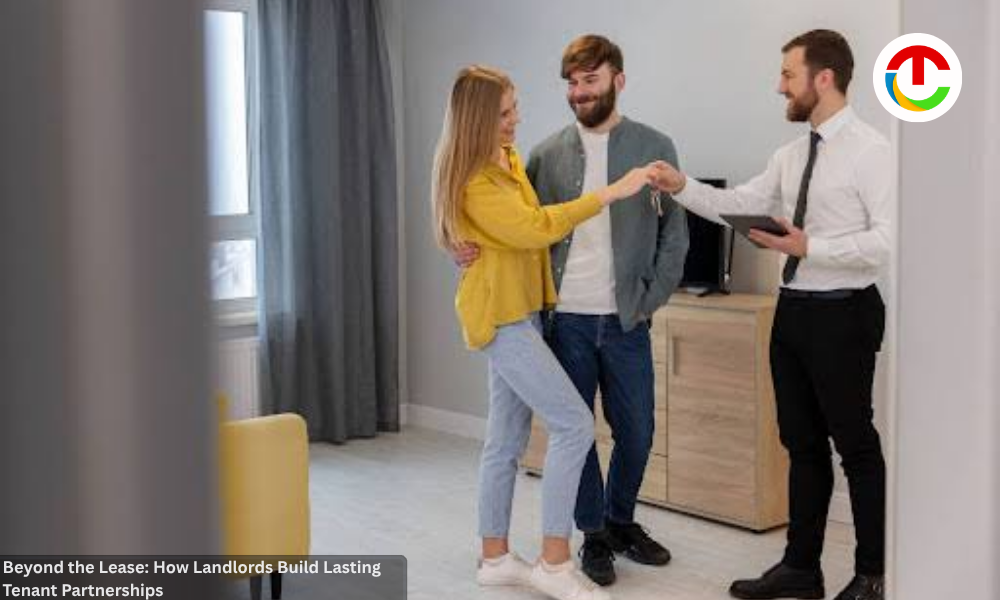
Cultivating positive, respectful relationships with tenants is one of the most effective strategies for long-term real estate success. While property ownership involves managing physical structures and financial statements, its core relies on human interaction and community building. Landlords who treat tenants as valued partners foster mutual respect, reduce costly turnover rates, and ensure consistent rental yields. Establishing clear communication, maintaining properties proactively, and respecting personal boundaries creates a harmonious rental environment where tenants feel safe, respected, and eager to stay.
Establish Open, Transparent, and Professional Communication
Clear, consistent communication forms the bedrock of any successful landlord-tenant relationship. From the initial lease signing through the entire tenancy, setting expectations transparently prevents misunderstandings and resolves minor issues before they escalate into major disputes. Communicating professionally demonstrates respect and establishes a business relationship built on trust and accountability.
Provide tenants with multiple reliable channels to contact management for routine inquiries, maintenance requests, and emergencies. Utilizing digital tenant portals, dedicated email addresses, and official messaging channels creates a clear paper trail for both parties while ensuring messages are logged and addressed systematically. Always respond to tenant inquiries promptly, even if only to confirm receipt and provide an estimated timeline for a full resolution.
When policy changes, scheduled building maintenance, or property inspections arise, give tenants ample advance notice. Clear, written notifications explaining the purpose and timeline of upcoming disruptions show respect for your tenants’ busy lives and daily routines. Open communication encourages tenants to report minor property issues early, protecting your physical asset from hidden structural damage.
Prioritize Rapid, Reliable Maintenance and Repairs
Nothing damages a landlord-tenant relationship faster than neglected repair requests and poor property upkeep. When tenants report a leaking faucet, a broken appliance, or a faulty heating unit, they expect swift, effective action. Addressing maintenance issues promptly demonstrates that you care about their comfort, safety, and overall living experience within your property.
Establish a structured maintenance protocol that categorizes repair requests by urgency, ensuring emergencies like water leaks or heating failures during winter are handled immediately. Partnering with licensed, reliable contractors ensures that repair work is completed correctly on the first attempt, preventing recurring frustrations for your occupants. Keeping tenants informed regarding repair progress and contractor arrival times minimizes daily disruptions to their schedules.
Hiring a dedicated property management professional in Littleton, CO helps streamline repair workflows, track work orders, and automate maintenance updates. Landlords who maintain physical structures proactively inspire tenants to take equal pride in caring for their rented living spaces. Consistently reliable maintenance turns routine rental properties into comfortable, long-term homes.
Implementing Preventive Property Maintenance Schedules
Conducting regular seasonal maintenance checks—such as cleaning roof gutters, servicing HVAC systems, and inspecting plumbing lines—prevents sudden emergency breakdowns. Scheduling routine upkeep protects your physical asset while reassuring tenants that the building is maintained to high standards.
Informing tenants in advance regarding seasonal maintenance visits demonstrates organized management. Proactive property care minimizes unexpected living disruptions and keeps mechanical systems running smoothly year-round.
Following Up After Repair Completion
Checking in with tenants shortly after a contractor completes a repair demonstrates genuine commitment to service quality. A quick message asking if the repair was completed satisfactorily makes tenants feel valued and heard.
Gathering feedback regarding contractor professionalism ensures your service vendors maintain high standards. Routine post-repair follow-ups strengthen tenant trust and reinforce your reputation as a responsible landlord.
Respect Tenant Privacy and Enjoyment Rights
A rental property is a financial investment for a landlord, but it is a private sanctuary for the tenant residing inside. Respecting a tenant’s right to quiet enjoyment and legal privacy is essential for maintaining a positive, professional relationship. Overbearing oversight, unannounced visits, or intrusive behavior will quickly alienate even the most conscientious renters.
Always adhere strictly to local housing laws and lease terms regarding mandatory advance entry notices, which typically require twenty-four to forty-eight hours of written notice before entering a unit. Limit non-emergency property inspections to reasonable, scheduled intervals, such as annual safety checks or pre-renewal evaluations. When entering a tenant’s home, maintain professional boundaries, conduct necessary tasks efficiently, and leave the space completely secure and tidy.
Respecting quiet enjoyment also involves managing community noise levels and addressing neighbor disputes fairly. Establishing clear building quiet hours and enforcing lease rules regarding disruptive behavior protects every occupant’s peace of mind. A landlord who guards their tenants’ privacy and peaceful living environment earns lasting loyalty and long-term lease renewals.
Providing Clear Inspection Guidelines
When scheduling annual property inspections, provide tenants with a clear checklist of what will be examined, such as smoke detectors, plumbing fixtures, and appliance functions. Transparent guidelines remove anxiety and allow tenants to prepare their homes comfortably.
Conducting structured, predictable inspections keeps the process efficient and non-intrusive. Clear expectations ensure inspection visits remain professional, collaborative, and stress-free for both parties.
Handling Neighbor Noise Complaints Neutrally
When noise disputes arise between adjacent tenants, address complaints impartially by reviewing lease guidelines and gathering facts before taking action. Communicate calmly with all parties to prevent minor friction from becoming a hostile living environment.
Encouraging respectful community dialogue and consistently enforcing quiet hours resolve noise issues fairly. Objective conflict resolution maintains a peaceful, harmonious residential building culture.
Offer Fair Lease Terms and Transparent Financial Policies
Financial transparency and fair lease terms build lasting goodwill and encourage long-term tenancy. Hidden fees, unexpected rent spikes, and aggressive security deposit deductions create intense friction and drive reliable tenants away. Structuring clear, equitable financial policies demonstrates professional integrity and fosters mutual trust.
Ensure that lease agreements are written in clear, accessible language, outlining all financial obligations, rent due dates, grace periods, and late fee structures explicitly. Providing convenient, automated digital payment options—such as online portal transfers or recurring card payments—simplifies monthly rent collection for tenants and ensures predictable cash flow for landlords. Convenient financial systems reduce accidental late payments and unnecessary stress.
When approaching lease renewal periods, evaluate local market conditions carefully and offer fair, reasonable renewal rates to reliable tenants. Keeping rent increases modest for high-quality occupants is far more profitable than facing extended vacancy periods, turnover painting expenses, and marketing costs associated with finding new renters. Fair financial policies incentivize great tenants to stay for years.
Setting Up Flexible Online Payment Options
Offering online payment portals allows tenants to pay rent securely from their smartphones or computers anytime, anywhere. Automated payment reminders prevent forgotten due dates and help tenants maintain perfect payment records effortlessly.
Digital payment platforms also provide instant digital receipts, eliminating payment tracking disputes. Modern, convenient financial technology enhances the overall renting experience significantly.
Communicating Rent Adjustments Well in Advance
If local market inflation requires a rent increase upon lease renewal, notify tenants well ahead of legal deadlines—ideally sixty to ninety days in advance. Providing ample notice allows tenants time to adjust their personal budgets comfortably.
Explaining the rationale behind rent adjustments, such as rising property taxes or recent building upgrades, builds transparency. Advance communication demonstrates respect for your tenants’ financial planning.
Recognize Good Tenancy and Personalize Interactions
Building positive relationships does not require grand gestures; small, thoughtful acts of recognition go a long way in making tenants feel appreciated. Treating tenants as valued individuals rather than anonymous monthly payments creates a warm, welcoming community environment where people enjoy living.
Acknowledge positive tenant milestones, such as completing a full year of on-time rent payments or renewing a lease, with a simple thank-you note or a small token of appreciation, such as a local coffee shop gift card. Sending holiday greeting cards or welcoming new tenants with a move-in care package containing essential household supplies establishes immediate goodwill and sets a friendly, respectful tone for the tenancy.
Incorporate personal touches into daily interactions by remembering key tenant details, such as pet names or preferred contact times. Maintain a polite, approachable demeanor during every interaction, while preserving professional boundaries. When tenants feel recognized and appreciated as valued community members, they take better care of the property and view their landlord as a trusted partner.
Creating Helpful Welcome Packets for New Tenants
Providing new occupants with a comprehensive welcome binder containing local neighborhood guides, utility setup instructions, trash collection schedules, and emergency contacts eases their moving transition. Thoughtful welcome materials reduce first-week confusion and set a helpful tone.
Including small move-in supplies—such as toilet paper, surface wipes, and bottled water—offers immediate practical comfort during stressful moving days. Welcoming gestures build immediate goodwill from day one.
Rewarding Long-Term Lease Renewals
Offering long-term tenants a complimentary home upgrade upon lease renewal—such as professional carpet cleaning, fresh accent wall paint, or updated light fixtures—shows genuine gratitude for their ongoing tenure. Small property investments keep units fresh while rewarding tenant loyalty.
Tangible renewal rewards make tenants feel valued and excited to extend their stay. Investing in existing renters costs significantly less than finding new tenants in competitive markets.
Maintain Professional Boundaries and Consistent Fairness
While fostering a friendly relationship with tenants is highly beneficial, maintaining firm, consistent professional boundaries is equally vital for successful property management. Treating every tenant with equal fairness and applying lease rules uniformly prevents accusations of favoritism or discrimination. Clear, consistent boundaries protect your business interests while ensuring equal treatment for all occupants.
Enforce lease terms—such as rent due dates, pet policies, and noise restrictions—consistently across all rental units. Making arbitrary exceptions for select tenants creates resentment among neighbors and complicates legal enforcement if serious policy violations occur later. Approach every policy conversation with calm, objective professionalism, focusing on lease agreements rather than emotional arguments.
Developing standardized procedures for tenant screening, maintenance tracking, and lease renewals ensures complete compliance with federal, state, and local fair housing laws. Professional consistency shields your real estate business from legal liabilities while establishing a stable, predictable living environment where tenants know exactly what to expect.
Applying Uniform Tenant Screening Standards
Utilizing identical background check, credit evaluation, and income verification criteria for every applicant guarantees compliance with fair housing regulations. Uniform screening processes treat all prospective tenants equitably and objectively.
Consistent screening standards protect your investment while building a reliable, qualified tenant community. Objective evaluation criteria prevent unconscious bias during applicant selection.
Handling Lease Violations Professionally and Firmly
When a tenant violates lease terms—such as keeping unauthorized pets or causing noise disruptions—address the issue promptly through formal, written notifications. State the specific lease clause violated and outline required corrective actions clearly and calmly.
Maintaining a neutral, professional tone prevents unnecessary conflict while enforcing building standards. Firm, fair policy enforcement preserves property quality and maintains community peace.
Conclusion
Building positive tenant relationships is a powerful, high-yield investment strategy that transforms rental properties into stable, profitable assets. By establishing open communication, prioritizing rapid maintenance, respecting privacy, offering fair financial terms, recognizing tenant loyalty, and maintaining consistent professional boundaries, landlords create a thriving residential environment. Fostering mutual respect and trust lowers turnover costs, reduces property damage, and ensures long-term financial prosperity for your real estate investments.
Also Read :- Beyond the Lease: How Landlords Build Lasting Tenant Partnerships