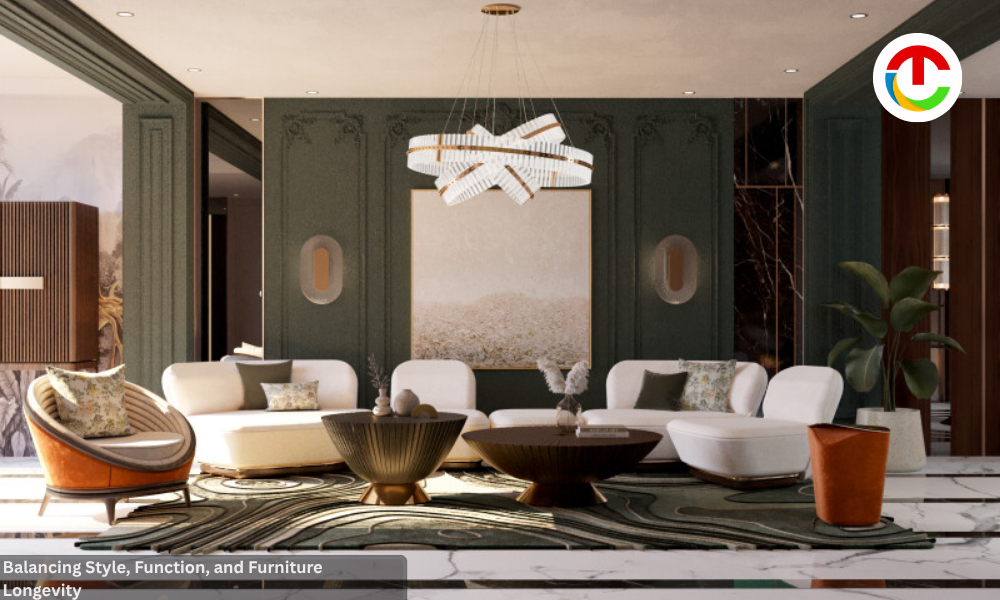
Selecting the right commercial furniture is one of the most critical operational and design decisions a restaurant owner will make. Dining chairs, booths, and tables do far more than fill physical floor space; they define your establishment’s visual identity, directly dictate customer comfort, and endure relentless daily wear from hundreds of guests. Striking the ideal balance between captivating aesthetic style, ergonomic functionality, and long-term structural durability ensures your dining room remains visually stunning, comfortable, and commercially profitable for years to come.
Align Furniture Aesthetics with Your Culinary Brand Vision
Restaurant furniture serves as a primary visual extension of your culinary concept and brand identity. The moment guests step through your doors, the texture, color, and silhouette of your seating and tables communicate the type of dining experience they should expect. Choosing furniture that aligns seamlessly with your overarching interior design theme establishes a cohesive, immersive atmosphere that elevates the perceived value of your food and beverage offerings.
For modern, fast-casual concepts, sleek metal frames, vibrant plastic molds, and minimalist lines convey an energetic, high-tempo vibe that encourages rapid table turnovers. Conversely, upscale fine-dining establishments and intimate bistro lounges benefit from warm hardwood tones, plush upholstered armchairs, and rich leather booths that invite diners to settle in for leisurely multi-course meals. Every furniture piece should feel like an intentional design choice rather than an afterthought.
Color palettes and material finishes should complement your dining room lighting scheme and architectural features. Natural timber tones, exposed metal accents, and stone surfaces introduce rich textural depth that photographs beautifully for digital marketing. Selecting stylish, brand-aligned furniture creates an inviting visual atmosphere that attracts discerning diners and differentiates your venue from local competitors.
Prioritize Ergonomics and Physical Customer Comfort
While eye-catching style attracts initial customer interest, physical comfort determines whether guests enjoy their meal, order extra drinks, and return in the future. Uncomfortable seating, tight legroom, or awkward table heights create immediate physical distraction, ruining an otherwise flawless culinary experience. Prioritizing ergonomic furniture design guarantees that guests feel relaxed and welcomed throughout their visit.
Ergonomic commercial chairs feature contoured seat cushions, supportive lumbar curves, and appropriate seat depths that accommodate diverse body types effortlessly. Seat heights must align precisely with table clearances—typically maintaining an optimal ten- to twelve-inch gap between seat cushions and tabletops—to prevent leg pinching and awkward hunching. Providing adequate space between adjacent tables ensures guests can dine without feeling crowded by neighboring conversations.
Seating flexibility also enhances floor plan usability. Combining fixed booths for intimate parties with moveable two-top and four-top tables allows floor staff to reconfigure dining arrangements quickly for large group reservations. Comfortable, ergonomically sound furniture encourages diners to linger over dessert and coffee, naturally increasing average check sizes and driving higher overall venue revenue.
Select Durable, Commercial-Grade Materials Built to Endure
Commercial restaurant furniture endures extreme daily wear that would destroy residential furniture within weeks. High guest turnover, heavy weight loads, accidental food and wine spills, and aggressive cleaning chemicals demand heavy-duty, commercial-grade materials specifically engineered for high-traffic environments. Investing in commercial-grade construction protects your capital against premature replacement expenses.
When selecting dining surfaces, high-density hardwoods like oak, maple, and walnut offer exceptional strength, timeless beauty, and long-term durability. Incorporating sealed wood restaurant tabletops brings natural organic warmth to your dining room while providing a resilient, easy-to-clean surface that resists scratching, heat rings, and liquid penetration. Solid wood surfaces can also be sanded and refinished after years of heavy use, extending their operational lifespan significantly.
For metal furniture components, fully welded steel or heavy-gauge aluminum frames eliminate loose mechanical joints and wobbly chair legs. Powder-coated metal finishes resist chipping, scratching, and rust, maintaining a fresh appearance even in high-moisture environments or outdoor patio zones. Choosing high-density commercial materials ensures your furniture withstands continuous operational demands without sacrificing structural integrity.
Inspecting Joinery and Structural Construction Quality
High-quality commercial wooden chairs utilize traditional mortise-and-tenon joinery reinforced with corner blocks and heavy-duty wood screws. Inferior furniture built with simple staples, glue, or thin brad nails quickly becomes unstable under heavy daily use.
Examining internal joinery details before purchasing guarantees long-term structural stability. Investing in superior frame construction eliminates embarrassing chair failures and protects your business from potential liability claims.
Choosing Easy-to-Clean and Stain-Resistant Surfaces
Dining room hygiene is paramount to customer trust and health code compliance. Choosing non-porous tabletops and stain-resistant finishes allows staff to wipe down surfaces thoroughly between seatings without damaging protective clear coats.
Smooth, non-porous surfaces prevent bacteria, grease, and food particulates from penetrating deep into material grains. Hygienic material choices streamline closing sanitation routines and keep dining spaces pristine.
Invest in High-Performance Commercial Fabrics and Upholstery
Upholstered booths, banquettes, and dining chairs introduce luxurious comfort, soft acoustic dampening, and rich color to restaurant interiors. However, fabric seating represents one of the most vulnerable elements in a dining room if improper materials are specified. Selecting commercial-grade, high-performance upholstery ensures your seating resists staining, liquid absorption, and abrasive friction over years of continuous use.
Commercial fabrics are rated by Double Rub abrasion tests, which measure how well a textile withstands friction before showing visible wear. Restaurant seating should feature commercial upholstery rated for at least 50,000 to 100,000 double rubs to guarantee long-term durability. Utilizing high-performance vinyls, polyurethane leathers, or stain-resistant treated textiles allows food spills, wine drips, and grease spots to be wiped away instantly with mild soap and water.
Underlying cushioning foam requires equal attention; specifying high-resilience, commercial polyurethane foam prevents seats from sagging, flattening, or losing shape over time. Fire-retardant foam formulations fulfill strict municipal commercial fire codes, protecting guest safety. High-performance upholstery keeps your dining room looking brand-new, comfortable, and inviting through millions of guest seatings.
Utilizing Moisture Barrier Fabric Backing
High-performance commercial textiles often feature integrated liquid moisture barriers that prevent spilled beverages from soaking through outer fabrics into underlying foam cushions. Trapped moisture inside foam creates unpleasant odors, bacterial growth, and internal cushion rot.
Moisture-barrier fabrics ensure liquids remain on the outer surface for easy cleanup. Protective fabric backing preserves internal foam integrity and extends total furniture lifespan.
Selecting Repairable and Re-Upholsterable Seating Frames
Designing custom booth seating with removable, modular seat and back cushions simplifies ongoing maintenance. When accidental tears or stubborn stains occur, individual cushion covers can be re-upholstered or replaced without dismantling entire booth runs.
Modular seating design minimizes repair costs and eliminates operational downtime. Flexible furniture construction ensures your dining room remains fully operational and immaculate.
Balance Upfront Capital Costs with Total Lifetime Value
Equipping a commercial dining room represents a substantial financial investment, prompting many new restaurant owners to seek low-cost furniture alternatives to trim initial startup budgets. However, purchasing residential-grade or cheap commercial furniture often leads to rapid structural breakdown, frequent replacement purchases, and higher long-term expenditure. Evaluating furniture purchases based on total cost of ownership protects your long-term bottom line.
Higher-quality commercial furniture features higher initial price tags, but its extended working lifespan yields a significantly lower annual cost over five to ten years. Durable furniture requires fewer emergency repairs, reduces spare inventory demands, and preserves your brand reputation by avoiding shabby, wobbly dining equipment. Quality investments pay off continuously through reliability and guest satisfaction.
Additionally, many high-end commercial furniture manufacturers offer comprehensive commercial warranties covering structural frames, welds, and surface finishes for several years. Partnering with reputable commercial furniture suppliers provides valuable peace of mind and access to matching replacement parts if your floor plan expands. Smart financial planning prioritizes long-term material performance over short-sighted upfront savings.
Factoring Maintenance and Refinishing Into Financial Budgets
Budgeting for routine furniture maintenance—such as tightening frame hardware, applying protective wood oils, and deep-cleaning upholstery annually—preserves your original asset investment. Proactive maintenance prevents minor wear from becoming major structural failure.
Allocating small annual maintenance funds extends furniture lifespans by several years. Routine care protects physical assets and maintains a premium dining atmosphere.
Evaluating Manufacturer Warranties and Replacement Guarantees
Reviewing commercial warranty terms before finalizing furniture orders ensures manufacturer accountability for material defects or premature structural failure. Comprehensive warranties cover frame welds, joint integrity, and finish adhesion.
Clear warranty guarantees shield your business from unexpected replacement expenses during early operational years. Reliable vendor warranties reinforce smart long-term capital investment.
Plan Layouts for Operational Efficiency and Safety
The finest commercial furniture fails if arranged in a chaotic, overcrowded floor plan that hinders staff movement and compromises guest safety. Strategic furniture placement balances seating capacity with fluid circulation pathways, ensuring efficient service flow and compliance with local safety codes. A well-planned layout optimizes spatial utility while maintaining a relaxed, uncluttered dining ambiance.
Main server pathways and primary guest thoroughfares should maintain a clear width of at least thirty-six to forty-eight inches to allow waitstaff carrying heavy trays and guests using mobility aids to pass comfortably. Providing adequate clearance behind seated guests prevents service staff from bumping dining chairs during busy dinner shifts. Keeping emergency exit corridors completely unobstructed satisfies municipal fire safety regulations.
Dividing expansive dining rooms into distinct seating zones using varied furniture styles—such as perimeter booth runs, central four-top tables, and high-top bar seating—creates visual interest and spatial intimacy. Varied seating options cater to diverse guest preferences, from romantic date nights to energetic group celebrations. Strategic floor planning merges stylish furniture choices into a highly functional, safe, and profitable dining ecosystem.
Conclusion
Balancing style, function, and longevity when selecting restaurant furniture is an essential strategy for building a successful hospitality venue. By aligning furniture aesthetics with your brand vision, prioritizing ergonomic customer comfort, investing in durable commercial materials, selecting high-performance upholstery, and planning efficient floor layouts, you create an extraordinary dining environment. Thoughtful furniture choices protect your capital investment, elevate guest satisfaction, and establish a resilient foundation for long-term commercial prosperity.
Also Read :- Matching Blade Type to Material Extends Cold Saw Life