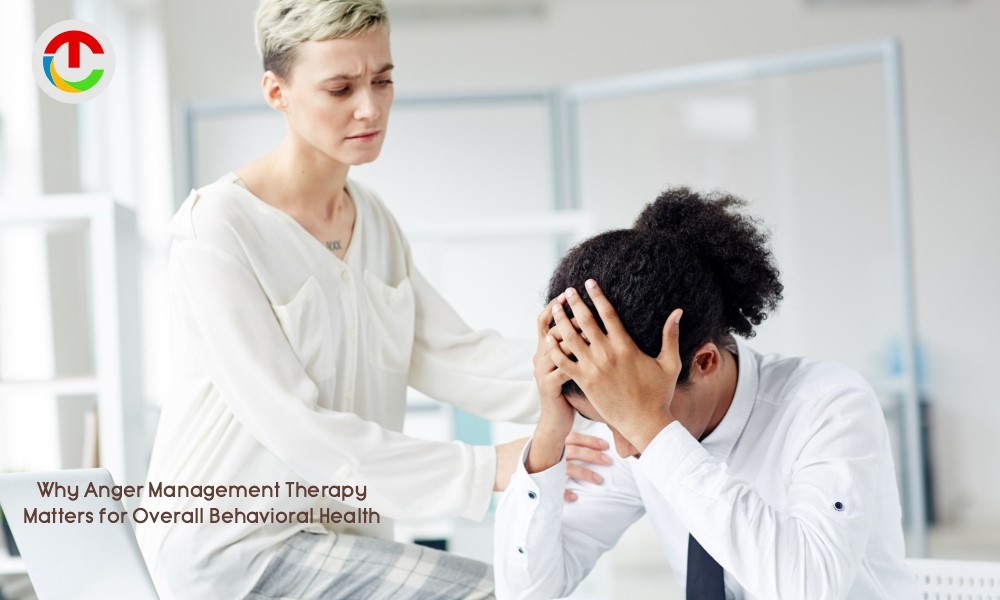
Strong emotional balance supports a healthy and fulfilling life. When emotions become overwhelming, they can influence decisions, relationships, and personal growth. Anger, like any other emotion, carries meaning, yet unmanaged reactions may disturb mental clarity and behavioral stability. Learning to respond calmly creates room for thoughtful communication and improved well-being.
Professional guidance, such as anger management therapy, helps individuals recognize emotional triggers and respond constructively. Instead of reacting impulsively, people learn structured methods that promote patience, awareness, and emotional control. These skills contribute to healthier interactions and stronger mental resilience. This article explains how structured emotional guidance supports behavioral wellness and long-term personal development.
Emotional Awareness Strengthens Behavioral Balance
Emotional awareness builds the foundation for stable behavior. When individuals recognize what sparks frustration, they gain the ability to pause and reflect before responding. This awareness reduces impulsive reactions and encourages thoughtful choices. Over time, individuals develop better emotional regulation, which leads to healthier habits.
Therapeutic sessions help people identify patterns in their reactions. Certain situations, such as workplace pressure, family expectations, or communication misunderstandings, may trigger emotional responses. Recognizing these patterns allows individuals to prepare for challenging moments and respond calmly. As awareness grows, emotional balance improves, and behavioral stability becomes easier to maintain.
Improved Communication Builds Healthier Relationships
Effective communication plays a major role in behavioral wellness. When emotions rise quickly, conversations may turn tense or unclear. Structured emotional guidance teaches individuals to express thoughts calmly and confidently. This approach prevents misunderstandings and strengthens connections.
Clear communication also supports trust. When individuals speak calmly, others feel respected and heard. This mutual respect encourages open conversations and reduces emotional strain. Improved communication also helps resolve conflicts peacefully. Instead of reacting defensively, individuals learn to listen carefully and respond thoughtfully, which enhances cooperation in personal and professional environments.
Practical Skills That Encourage Emotional Control
Professional guidance introduces practical techniques that promote calm responses and improve behavioral stability. These strategies support emotional clarity and help individuals manage challenging situations with confidence. Some helpful approaches include:
- Breathing exercises that reduce emotional tension and encourage calm thinking
- Thought-reframing techniques that shift negative reactions into constructive responses
- Guided reflection that helps identify emotional patterns and triggers
- Relaxation practices that support mental clarity and patience
- Communication strategies that encourage respectful conversations
These techniques become part of daily life. With practice, individuals apply these skills naturally during stressful situations, strengthening emotional control and behavioral balance.
Long-Term Behavioral Growth and Emotional Stability
Emotional growth takes time and consistency. Through guided support, individuals build confidence in handling challenging situations. Over time, this confidence encourages thoughtful responses and stronger self-control. As behavioral patterns shift, individuals experience improved focus and emotional resilience.
At this stage, anger management therapy contributes to sustainable personal growth. Individuals learn to manage reactions constructively, which supports mental clarity and healthier decision-making. Emotional stability also promotes positive lifestyle habits, allowing individuals to communicate effectively, maintain patience, and approach challenges with calm confidence.
Emotional Wellness Enhances Daily Life Experiences
Balanced emotions improve everyday experiences. Individuals feel more confident in social settings and professional interactions. Calm responses allow people to approach challenges with clarity rather than frustration. This perspective supports productivity and positive engagement.
Emotional wellness also encourages patience and understanding. People respond thoughtfully to unexpected situations and maintain composure during demanding moments. These qualities strengthen personal growth and improve behavioral health. A balanced emotional state supports clear thinking, informed decisions, and healthier relationships, which contribute to long-term emotional well-being.
Emotional balance supports healthy behavior and meaningful relationships. Structured guidance helps individuals develop awareness, strengthen communication, and build practical coping skills. As emotional stability improves, individuals experience greater confidence and personal growth. These benefits contribute to long-term behavioral wellness and a more balanced, fulfilling life.
Read latest exclusive interviews